

Christianity Has A “Giving” Problem (And How To Solve It)
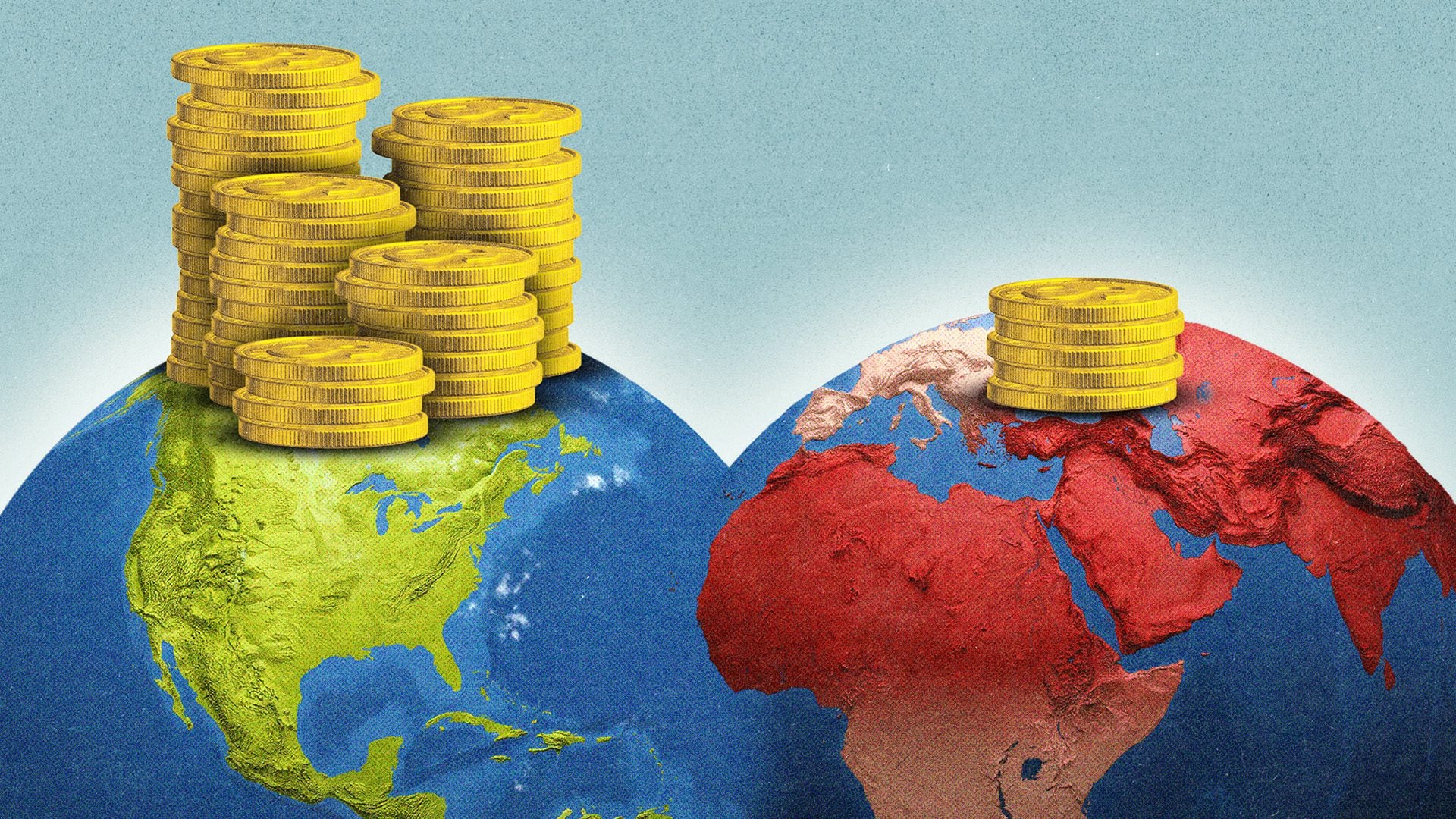

Imagine if $100 dollars represented everything Christians give toward missions.
Ninety nine of those dollars would go to places where the gospel is already established. Just one of those dollars would go toward the roughly 3 billion people who still need to hear about Jesus.
That doesn’t mean that the other 99 dollars are wasted. A lot of it goes to valuable work. But there’s still something wrong with this picture. It’s really imbalanced.
We should ask ourselves: If Jesus wants us to make disciples of all nations, why does so little of what we give go to the places where he is least known?
Part of the reason is simple: we naturally invest where we can see results. But reaching the hardest places means investing before there are any results to see.
BUILDING FROM THE GROUND UP
It’s sort of like building a cathedral.
In Milan, Italy, construction on the Duomo di Milano began around 1386. The final details were completed in 1965—about 579 years later. In Germany, construction began on the Cologne Cathedral in 1248. It was finished in 1880—more than 600 years later.
And then there’s Sagrada Familia in Barcelona, Spain. Work began on the world’s tallest church in 1882. Today, it’s still under construction.
What was it like for the first generation of these stonecutters and trenchdiggers and masons and sculptors? People whose work wouldn’t be finished until the 20th generation after them?
At least some of them must have been thinking not only like builders, but investors: This is slow-going. I won’t live to see the full result. But I’ll stick with it. Because it’s worth it in the long run. I’m working on something bigger than myself.
Without that work, nothing else gets built.
As believers, of course, we aren’t building cathedrals. God is building people into a church.
But that work always takes time, especially in the places where the foundation is still being set. It’s usually one verse translated, one conversation started, one prayer lifted, one question answered, one disciple made at a time. Over a lot of time.
The investments with the best returns usually aren’t measured by quick results. They’re measured by years of growth. So, we have to consider: How are we investing what God has given us?
Actually, we need to start with an even more basic question: What has God given us? What has he given to each part and each person of his church? And how could it all fit together?
BUILDING WITH THE GLOBAL CHURCH
Though there are now more Christians in the Global South than North America, the highest concentration of wealth remains in North America, where there are more financial resources.
But believers in the Global South have more access to people who need the gospel most: For example, a believer from Latin America can travel more freely in some parts of the Middle East and Asia than a believer from North America.
So, what if some of us put more of our money into the hands of believers who can go places many of us can’t?
In other nations, local believers have the most proximity to their own populations. A believer from Arizona can’t move into a neighborhood in Afghanistan. But neither can a Christian from Argentina. In some of the hardest-to-reach places, it has to be local believers reaching other locals.
But what if the believer from Argentina leveraged his digital expertise to help believers in Afghanistan using digital outreach? What if the believer from Arizona used his pastoral background to help train Afghan believers who could deliver the gospel in person, or to connect them with others who could?
What if we multiplied these examples in other places with other gifts, over time? God hasn’t distributed his resources unevenly. The question is how we’re using them.
So let’s start here: What has God given me?
It’s not only about the $99. It’s also about the skills and platforms and networks and resources we already have. What if we put more of what God has given his church where it is needed most? Can we use what God has given each of us to change the map?
Are we willing to keep building, even when we can’t immediately see the results?
Could we cultivate a bigger vision to invest in other believers to lay gospel infrastructure in places where it doesn’t yet exist?
What if we could invest everything God has given us in making Jesus known everywhere—no matter how long it takes?