



Mercy Ministry Should Make the Gospel Visible
Jesus proclaimed that to be merciful is to be closely aligned with his kingdom, and the great reward of extending mercy is that we receive it ourselves (Matt. 5:7). Mercy is a trademark of the Christian life, and church history tells the story of how the implications of that reality stretched far beyond individual lives or even the church walls.
Mercy ministry, as we know it today, was born from the efforts of the earliest believers to live out their faith in word and deed, taking mercy to its fullest application. There were explicit instructions from the apostles to be generous and look after the vulnerable (1 John 3:16–18, 1 Tim. 6:18).
There was also a pressing need to extend physical and material support, as so many new Christians faced persecution or found themselves at the bottom of the societal ladder. Wealthier believers were now in mixed company and were implored to show no favoritism, but to share all things with the lowly (James 2:1–4).
From the birth of the church to the present day, Christians have been marked by the good news they herald and the helping hand they often offer. Hospitals, schools, foster homes, food banks, clothing closets, and shelters across the globe were founded by saints and churches to display the mercy of God that was so lavished upon them.
When Word and deed are being worked out together, this is a beautiful and powerful testimony. There is danger though, when our mercy ministry begins to lose the good news of the gospel, and instead seems to hang all hope for the vulnerable on the material good.
It can also slide into a form of care that fails to encompass the total wisdom and discipline given to us in Scripture: that people were made to be image bearers of God and our fellow laborers, and not just lifelong recipients of our charity.
FORMING DISCIPLES IS DEEPER THAN MEETING PHYSICAL NEEDS
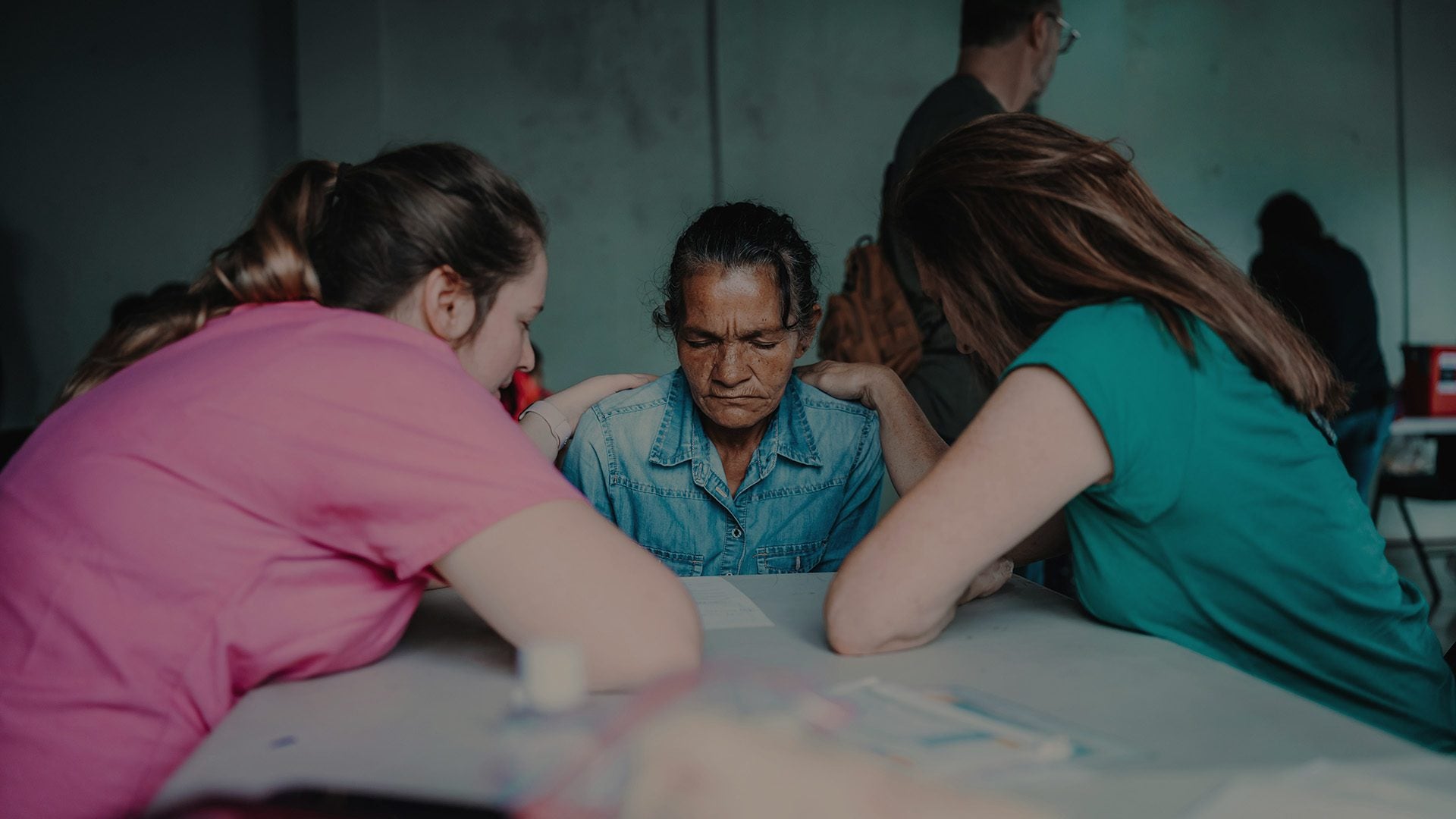
Rachel was a single mom being served by a team at our church that sought to love women with unexpected pregnancies and little support. This team was a wonderful example of mercy ministry, sharing the gospel with her as they shared their lives and resources. Support was carefully laid out to prevent unhealthy dependence, but over time Rachel struggled with these boundaries. She had never before been reminded of her identity before God and lovingly asked to begin taking ownership of her well-being and that of her young children.
What was the team to do as Rachel pulled away? What did mercy look like for them? Would they soften the gospel message or change their care? They determined, through prayer and seeking the wisdom of the Word, that the answer was simply to continue reminding her that while practical support changes through different seasons, their love remains, and so does the love of the Lord for her. They were not withdrawing help, nor hope.
It can be difficult to continually keep the gospel visible in mercy ministry. In many ways, to form a disciple is significantly harder than meeting a physical need. It is often slow and quite hard to measure. We can count how many people we have fed over the course of the month, but what metrics show the long, winding walk alongside someone as they learn to follow Jesus?
In our frustration, we can be tempted to consider disciple-making as a separate task, and one relegated to the naturally gifted evangelists or the foreign missionary.
But what is the missionary or local church on the far side of the world doing? They are loving their neighbors, making disciples, and building up their congregation and partner churches. We are all doing the same beautiful work that was given to us by the Lord.
The simple but weighty truth is that there is no mercy for the people around us apart from the gospel. They need an answer for their sin and bread for their empty stomachs. This is mercy in all its biblical fullness. Our task is to figure out the methods and means of extending it to our neighbors, and God has mercy on us, and we try and fail along the way.