



What We Can Learn From Immigrant Churches
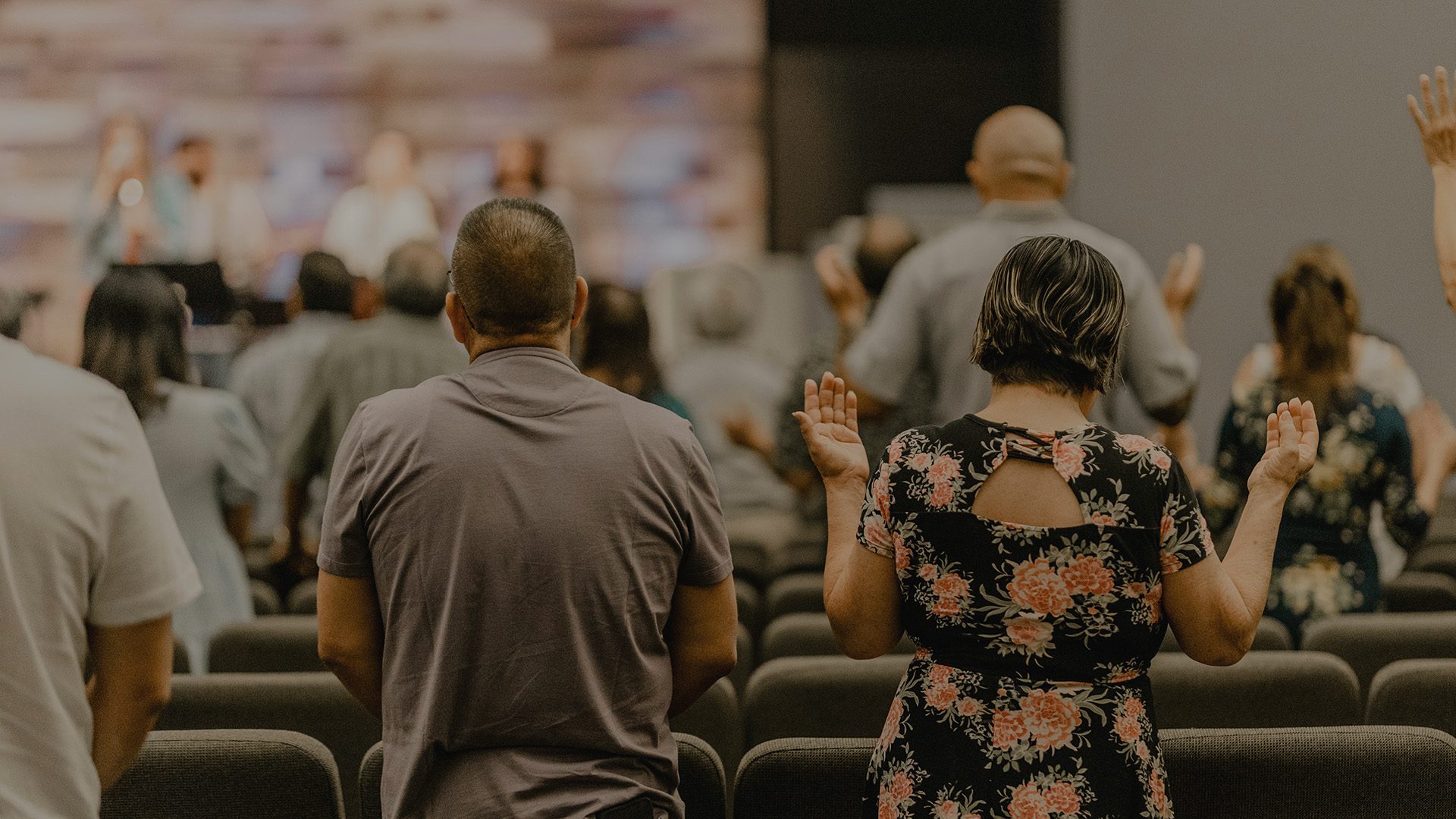
Recently, our church hosted Spanish-speaking Christians from seven churches across Alabama. In the room were high school students, aspiring pastors, missionary candidates, and a man who has faithfully pastored the same congregation for more than 30 years. And events like these are becoming increasingly central to our international ministry in the city.
I’ve mostly viewed international ministry as primarily evangelistic. I’ve written about how the nations are coming to our neighborhoods, and how this gives us an opportunity to share the gospel with those who are moving from far-away places into our cities. And there are certainly many opportunities to proclaim the gospel to refugees, immigrants, and international students who have found themselves near our church.
But, with this mindset, we risk missing some incredible ministry partners.
The nations are coming to your neighborhood, and many of them are Christians. Immigrant churches in our cities are strategic partners in gospel ministry that we often ignore.
START WITH EMERGING SECOND-GENERATION LEADERS
We often overlook immigrant churches in our efforts to reach the nations in our city because they’re isolated from the broader society. For years, I simply didn’t know anyone in these churches, and I didn’t know many people who did. I didn’t know where to start. But over the years, I’ve learned that if I want to help my church encourage immigrant churches in the city, I need to start by building deep friendships with emerging second-generation leaders.
Second-generation immigrants often find themselves in between two cultures. From a young age, they often grow up speaking one language in the home and another outside of it. Many of them speak their parents’ language at home and church, but prefer English.
These brothers and sisters have learned how to navigate two cultures, and they’re often excellent guides for beginning friendships between the majority community and the immigrant minority. My friend Salvador Blanco-Perello started a group for Spanish-speaking pastors in our city and invited me to be part of this quarterly gathering. Over the past two years, I’ve built friendships with pastors that I would have never met if it wasn’t for a friend like Salvador, who has grown up as a bridge between two cultures. His friendship has opened up an entire group in my city I was blind to before.
BE QUICK TO LISTEN AND SLOW TO SPEAK
If you’re anything like me, your tendency may be to catch the vision and jump into action. But encouraging immigrant churches in your city will take time. Many of these church leaders come from warm cultures where trust is developed over time, and many of them have been burned by English-speaking churches in the past. Our proactivity can easily come across as controlling. A Latin American pastor recently told me that English-speaking pastors often come with something to say, but rarely take time to listen.
If you want to start encouraging immigrant churches in your city, you need to be quick to listen and slow to speak. Focus on building friendships with these church leaders and generously connect them with one another, even if it means that your initiatives are delayed.
Over the past two years, I’ve met with a group of Spanish-speaking pastors and aspiring pastors a few times a year. The meetings have been remarkably ordinary. We eat together, we sing together, we pray together, and we share our burdens with each other. It hasn’t been flashy, but by God’s grace, we’re building friendships with one another, and we have a long way to go.
INVITE LEADERS TO YOUR CHURCH THAT THEY ALREADY TRUST
Over the past two years, we’ve been able to host one-off events at our church for Spanish-speaking churches in the city by inviting leaders to our church that they already trust.
Leaders like Alberto Puente Navarro and Justin Burkholder came to our church and spoke to our church, and then stayed for a second event in Spanish directly afterward. Latinos from across our city came to these events because they already trusted leaders like Alberto and Justin. They’d benefited from their preaching, and they’d always wanted to ask them questions about life and ministry. We simply created a space for them to get to do that in our church.
God is bringing the nations to your neighborhood, and many of them are your brothers and sisters in Christ. If you want to get started encouraging immigrant churches, start small and go deep with a few friends, and you might be surprised by the communities that were hidden in your own city.


