
How Did the Gospel Get to Mauritania?
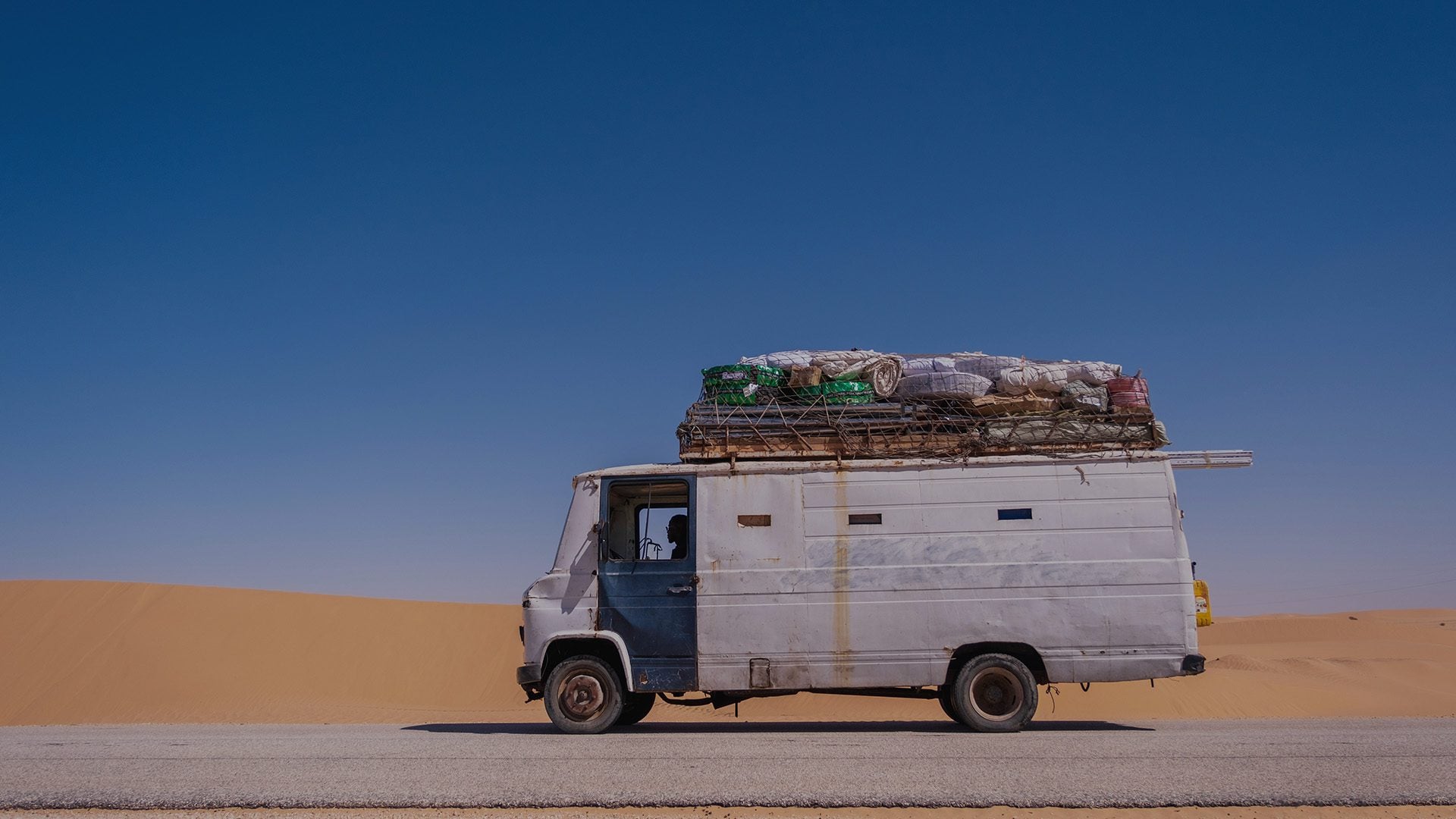
Out of a population of 4.6 million, an estimated 11,000 people in Mauritania claim to be Christians. As we consider the Church today, we can gain insight by looking back in history to see how and when the gospel was first brought to Mauritanians. So, how did Mauritania get to this point?
HOW WAS THE GOSPEL BROUGHT TO MAURITANIA?
During the first centuries after Christ, there was an early Christian presence in northwest Africa due to the spread of the gospel through believers and merchants. But little gospel presence survived after Islam spread during the Arab Conquests.
Centuries later, Christianity returned during the colonial period through European Catholic presence, particularly through French expatriates. But the French colonial presence was driven more by administration and commerce than by large-scale evangelism.
The more recent spread of the gospel has happened through a combination of expatriate Christians, Christians from neighboring sub-Saharan African countries, missionaries, and small indigenous house churches. While Christianity has had a presence in Mauritania for a very long time, it has never become deeply rooted among the local population.
WHAT DOES THE CHURCH LOOK LIKE TODAY?
Today, the Christian church in Mauritania is extremely small and largely hidden. Roughly 99% of the population is Sunni Muslim and almost all non-Muslims are foreign residents. Less than 1% of Mauritania’s population identifies as Christian.
The church in Mauritania struggles to grow due to intense persecution and restrictions. Under the rule of an Islamic Republic, Christianity is viewed as a Western influence, making conversion from Islam illegal and punishable by death. Public proselytizing is prohibited. The government also restricts the printing and distribution of Bibles and other Christian material.
Worship is generally restricted to recognized churches and is effectively limited to foreigners. The visible Christian institutions—especially the Catholic Church—are largely serving expatriates, while the much smaller indigenous church has to operate secretly. Because of the intense government scrutiny, spreading the gospel among Mauritanians has often happened quietly through relationships, humanitarian work, and small, private church gatherings.
On top of government persecution, Mauritanian Christians also face opposition and threats from their families and community. To become a Christian can result in being exiled from your family and community, imprisonment, physical abuse, and even death.
HOW CAN YOU PRAY FOR THE CHURCH IN MAURITANIA?
The gospel presence is small and hard to grow in Mauritania. Pray for laws against sharing the gospel and converting from Islam to Christianity to be changed. Pray for Christians to have boldness to witness despite intense pressure and threats. Pray for the Holy Spirit to fill believers with peace and endurance and for their safety. Also, pray for believers to find family and encouragement among their brothers and sisters in Christ as their own communities reject them because of their faith.
Radical has partnered with a church leader training program in Mauritania and the surrounding region to teach, disciple, and equip believers from Muslim backgrounds. The goal is to train believers to become church leaders, to lead Bible studies, and to start new discipleship groups and churches. Pray for these church leaders to be strengthened in their ministry and for their work to be fruitful, resulting in more Muslims coming to Christ.
Lastly, with such a large unreached population, pray for the gospel to be shared, heard, and known, and for churches to be established. Pray for Mauritanians to know “the light of the world” in the midst of their present darkness (John 9:5).


