

Bibles, Books, and Believers in Afghanistan
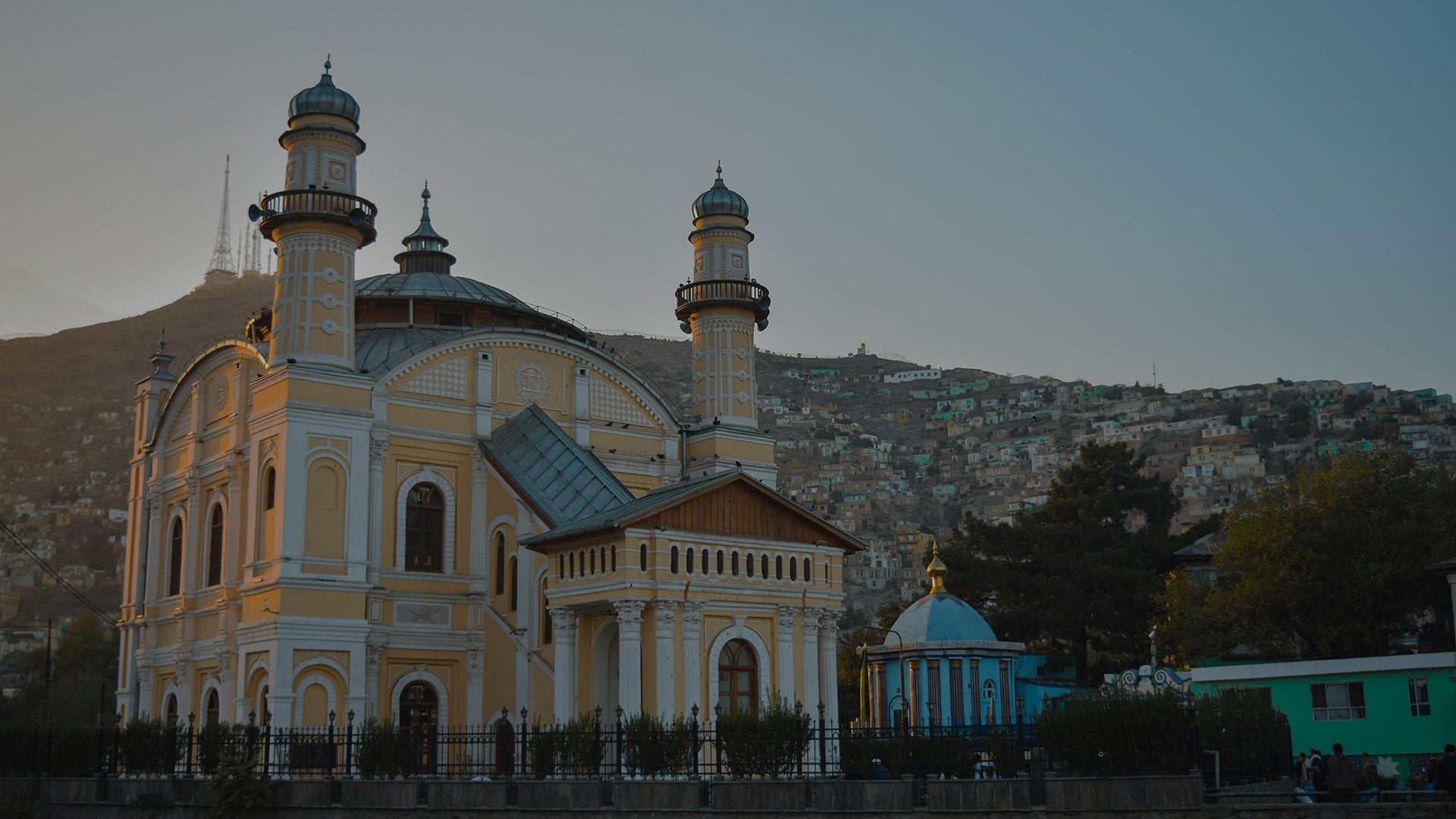
Imagine coming to faith in Christ in a land where very few know him. A land where Christians are persecuted, and gathering is dangerous. How would you grow? How would you understand God’s Word?
Now, add another layer. Imagine that everything you grew up learning about Christianity wasn’t true: You were taught that Jesus was only a man. That he didn’t actually die on the cross. That Christians believe in three gods.
How would you understand the divinity of Christ? His atoning sacrifice? The doctrine of the Trinity?
How would you live out your faith in a place where a person’s identity is intertwined with being a Muslim, and where apostasy is punishable by death? How would you begin obeying the Great Commission?
These questions are complicated and difficult, but what if at least one of the answers is simple and profound: Solid theological resources translated into a language you could understand and share with others.
What if that effort could help build the Church in a nation that tries to destroy it?
A THOUSAND CHRISTIANS OR JUST FIVE
For Luke Anwari, these weren’t theoretical questions. They were daily realities when he became a Christian in Afghanistan. He was starting from scratch, and risking his life, to follow Jesus and make him known.
Solid theological resources were key to his own growth, and he says they remain critical for Christians still living in one of the world’s most dangerous countries for believers. He says the principles that apply to believers around the globe are the same principles Christians need in hard-to-reach places.
“You need to preach the gospel, you need to live the biblical principles, and you need the Bible as the authority,” he says. “It doesn’t matter if you are in a church of a thousand people, 10,000 people, or five people in a house church.”
A BOOK FOR EVERY CULTURE
The good news is that there’s good translation work underway for languages around the world, including for believers in Afghanistan. Full translations of the Bible are available in the Dari and Pashto languages.
The next step has been helping Afghan believers understand the Bible they’re reading. Luke, who partners with Radical, says translation projects have focused on core topics like basic Christian doctrine, systematic theology, biblical theology, and ecclesiology. They also include books about God’s character and the nature of God.
Luke says there’s also great need for resources on Christian living—How do you follow Christ in a society where it’s illegal to convert? What does a Christian marriage look like in a culture with very different ideas? How about parenting? Life in the church? Defending your faith?
“The Bible is not a Western book. It’s not an Eastern book,” says Luke. “The Bible says that every man will bow down in every language and worship Jesus. So it’s a book for every culture, and we need to understand it.”
A COMMON THREAD OF SUFFERING
Luke also wants Afghan believers to understand they’re not alone in suffering for Christ. The New Testament and Church history are filled with examples of how God has used suffering as an engine for growing his Church across the ages.
“The book of Acts really doesn’t end. It’s like a movie where you’re waiting for the second part to come out,” says Luke. “The truth is that the Church continues to grow. Yes, we are not apostles today, there’s no Peter and John, but we carry on the work of the apostles. We stand on their shoulders.”
He wants Afghan believers to follow that thread throughout Church history. He wants them to read about the Church fathers and then evangelists like William Carey, Jim Elliot, and others. “Afghans need to know that other men and women have given their lives for the sake of the gospel,” he says. That’s part of why the Church continues.
Persecution is hard, and it’s often fierce, but it isn’t a strange new thing. “As persecution grows, the Church grows,” he says. “Persecution has never stopped the Church.”
A CHURCH THAT ISN’T DYING
It’s still not stopping it.
Luke stays in contact with believers in Afghanistan, and helps lead efforts at digital discipleship, follow-up, and training. Maintaining those relationships is key to making sure good resources reach believers who need them.
And though the return of Taliban rule in 2021 has intensified persecution against Afghan Christians, the Church remains. “It’s very challenging,” says Luke. “But it’s growing by the grace of God. Jesus is saving his Church.”


