

What It’s Like to Live Among the Least Reached
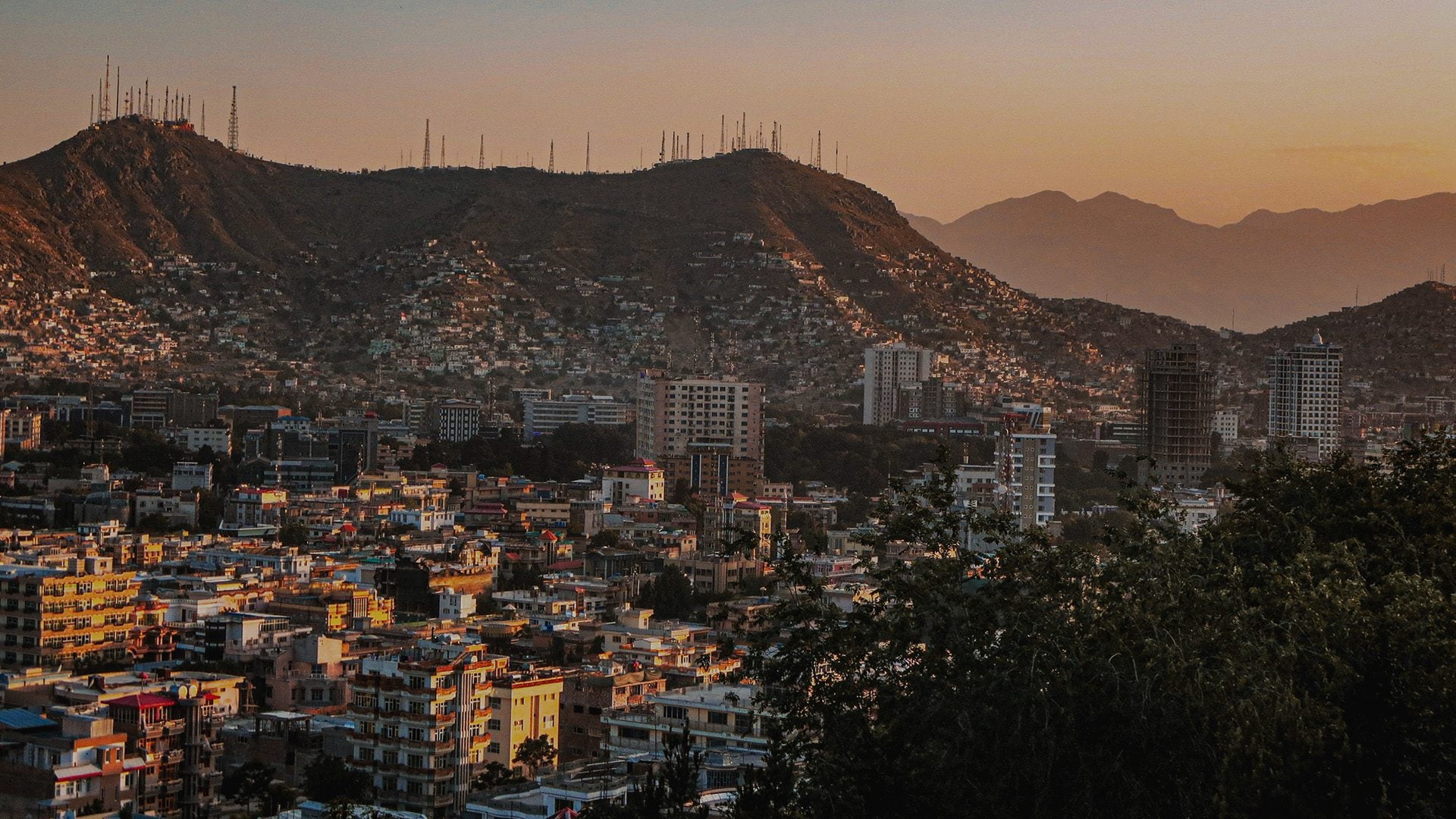
Choosing the location for my first international mission trip was basically a coin flip between Venezuela and East Asia.
It was the early 2000s. I was a young believer with a growing heart for the gospel. And along with that evangelistic impulse, something else was increasing: restlessness. An injury had just sidelined me from collegiate wrestling, and I needed a challenge. I didn’t know exactly what it would be, but I knew I wanted to do something difficult for Jesus.
Though Venezuela seemed the obvious choice since I had studied some Spanish, I asked my college campus ministry director for clarification on East Asia: “Where exactly would that team go?”
“We can’t tell you for security reasons,” he said.
I signed up on the spot.
My youthful (and perhaps misguided) desire for a baptized Mission: Impossible experience didn’t spring from the purest of missionary motivations, but once I got to East Asia, the Lord worked something deeper in my heart.
I met with person after person who had literally never heard the name of Jesus. We had the great privilege of seeing some college students put their faith in Christ that summer. One student became a Christian, then a pastor, and is still serving faithfully almost 25 years later!
Not only did God do a great work in my heart that summer, but he used that experience to shape the course of my life. I would go on to live in East Asia two more times; eight years in total. I met my wife there, and we relocated our family there. One of our kids was born there. Some of our dearest friendships on the planet were forged there.
Much has happened since then, but I like to think back on those early years and remember what it was like to live where Christ wasn’t known. At least six blessings come to mind:
IT’S EXCITING
Living among the unreached is an adventure that puts you on the front edge of seeing God do some amazing things. This certainly shouldn’t be the main motivator to live among the unreached, but it’s a corollary blessing.
IT’S MISSIONALLY CHALLENGING
Cross-cultural workers need a missionary mindset to problem-solve and think strategically and attempt to decode ideologies and ways of life. It keeps you on your toes. You have to be creative, thoughtful, and flexible. For those wired as missionaries, there is a welcomed stretching and development that comes with living among the unreached.
IT’S GOSPEL REINFORCING
We might need to think outside of the box with illustrations or applications, but one place we should never get creative is with the gospel itself. In places with more of a Christian heritage, it can be tempting to assume an intermediate understanding of the faith, but working among the unreached leads us back to Christianity 101. We start with the good news of the sacrificial death and glorious resurrection of Christ, and we build from there.
IT’S RELATIONALLY UNIFYING
There is an all-hands-on-deck vibe on the frontier that could potentially serve as a good model in our age of tribalism and sectarianism. It’s not that there won’t be good reasons to divide and have separate churches on the mission field. But working and living among the unreached has a way of helping us think afresh about theological triage: What are the first-tier hills to die on and where can we have charity and work together for gospel purposes?
IT’S EVANGELISTICALLY REFRESHING
There was a season living in the U.S. when I got weary of everyone I met claiming Christ even though it was clear they didn’t follow him. For me, it’s refreshing in less-reached places to meet people who either say, “Jesus? Who’s that?” or “Jesus? Nope, don’t follow Him.” There’s an honesty in those conversations that I appreciate. The path forward may be difficult, but at least it’s clear.
IT’S FAITH-STIRRING
Living in a place where Christ isn’t known forces us to desperately pray and to lean on the Spirit. Whether it’s support-raising or Bible translation or church planting or language acquisition or securing visas or weathering persecution or navigating team dynamics or understanding a new culture, we are forced, perhaps like never before, to walk by faith and not by sight.