Why Christians Should Care About the Protests in Iran
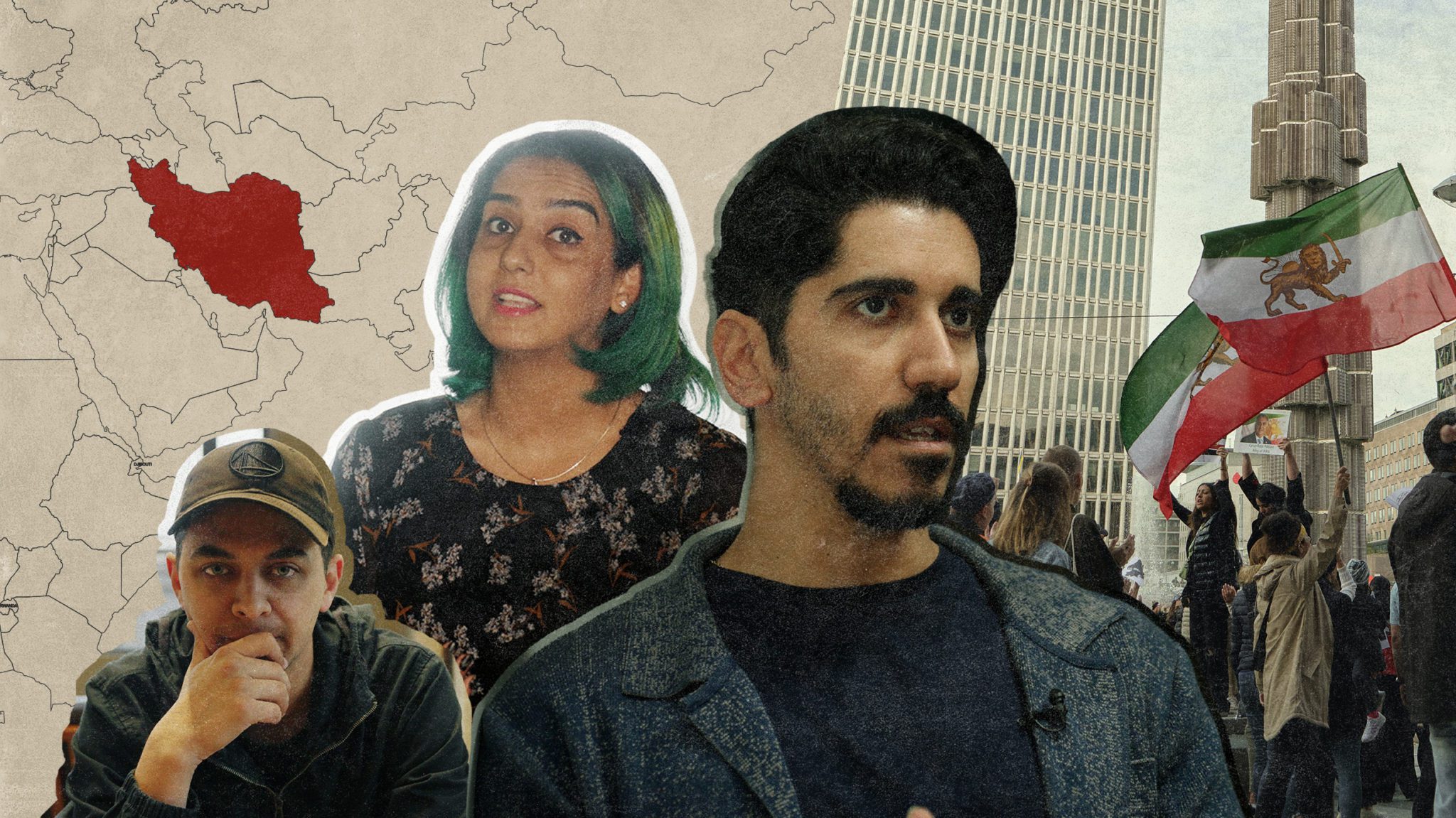

It is 7 a.m. in the Istanbul airport. I’ve just stepped off a plane from a country you’ve probably seen in the headlines many times over the past few weeks: Iran.
In a world where protests seem to erupt constantly, it’s easy to miss the significance of what’s unfolding there right now. But this is not just another demonstration. What began in mid-September (2022) after the death of 22-year-old Mahsa Amini has become one of the most consequential moments in Iran’s recent history.
Since then, the country has been thrown into turmoil. Thousands have taken to the streets. Many have been arrested. Many have been killed. And in an effort to silence the movement, the government has repeatedly shut down internet access—cutting Iranians off from the outside world and from one another.
When I was in Iran, it took me two full days to send a single email. Imagine what that kind of blackout means for families trying to find loved ones, or for voices trying to cry out for help.
For decades, the church in Iran has lived under intense persecution. But what’s happening now affects far more than just Christians. Ordinary Iranians—women, men, and children—are standing against violence, oppression, and fear. And their story is finally breaking through.
The question for Christians is simple but urgent: Are we listening?
To understand this moment, we have to go back to 1979, when Iran’s Islamic regime took control and established systems like the morality police, enforcing strict codes of behavior—including mandatory hijabs for women, Muslim or not. But what’s happening today is about far more than head coverings.
Iranians on the streets are not protesting God. They are not rejecting faith. They are demanding dignity. They are asking for the basic human right to choose what to wear, how to live, and who governs them.
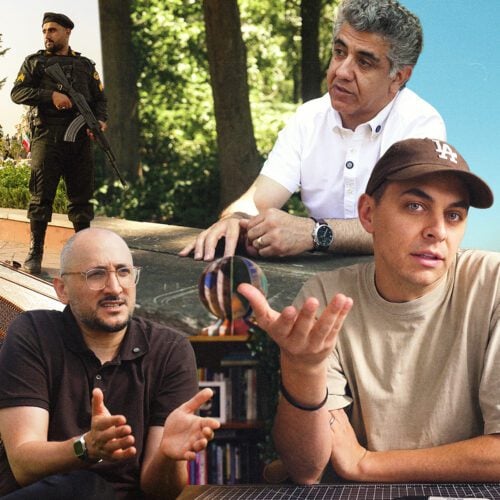
Milad and Rouhafza, a young Iranian couple forced to flee the country because of their Christian faith, explain it clearly: this movement is not against religion—it’s against decades of oppression. And it’s different from past protests. For the first time in generations, women are leading the way. Teenagers and even children have joined them. A new generation—one that never lived through the last revolution—is risking everything.
As Rouhafza says, “I’m so proud of the women of Iran.”
The cost is staggering. During the last major internet blackout just a few years ago, an estimated 1,500 people were killed. That could happen again—on an even larger scale. Silence has consequences.
At the same time, something remarkable is happening beneath the surface. Iran, a nation of more than 86 million people, is seeing one of the fastest-growing gospel movements in the world—unlike anything since the seventh century. Even as persecution intensifies, the church continues to grow.
Today, Iran ranks among the most dangerous countries for Christians. And yet, hope is breaking through suffering.
For believers around the world, this moment demands more than awareness. It demands prayer. It demands advocacy. It demands compassion—not only because these are our brothers and sisters in Christ, but because they are human beings made in the image of God.
Christ is not distant from Iran’s pain. His kingdom is one of mercy, truth, and justice. And as the church, we are not divided by nationality—we are one body.
Now is the time to pray for peace.
Now is the time to speak against injustice.
Now is the time to listen—and to act.
This story is only the beginning.
Stay with us. Listen closely. And don’t look away.
It is 7 a.m. I’m in the Istanbul airport and I just got off the plane from a country you’ve probably heard a lot in the news lately: Iran. Over the last few years, you’ve probably gotten used to seeing protests and demonstrations breaking out all over the world. So it’s easy to miss the significance of what’s been happening in Iran for the past few weeks.
This is no ordinary protest. Street demonstrations started in mid-September after news broke out that a 22-year-old woman named Mahsa Amini. Since then, Iran has been in a state of internal turmoil. Many have been arrested, many have died, and the government has shut off the Internet to block communication to the outside world.
I mean, when I was in Iran, it took me two whole days just to send out one email. So you can imagine what it’s like for locals who are just trying to communicate with their loved ones on the outside but can’t.
So the church in Iran has faced tremendous persecution by the government for many years. But they’re not the only ones who have suffered. Iranians are fighting against violent forces and Internet blackouts. And now their story is getting out to the world.
But the question for Christians is, are we listening?
To understand what’s happening today we have to go back to 1979 when the Islamic regime took control of the government and among many other things, established an Islamic morality police to enforce a dress code that includes requiring women, Muslim or not, to wear head coverings called hijabs. But this is about more than just head coverings. Iranians on the streets are not against any religion. They’re not against Islam. They’re not against God. They’re not against Christianity.
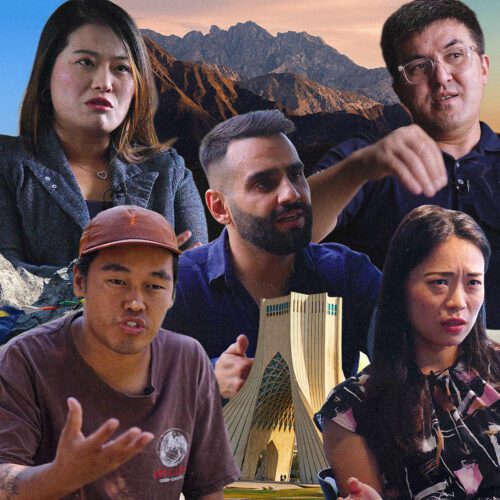
This is Milad and Rouhafza, a young Iranian couple who fled the country after facing pressure and harassment from the authorities because of their Christian faith. They’re asking and fighting for a human right, for the right that every people should have to decide what to wear. And it’s bigger than just the hijab issue. The whole system, the history of 43 years of this regime, proves that Iranians don’t want this regime to rule anymore.
So many churches in the West are partnering with Iranian Christians to reach Iran for Christ, which I love. I appreciate. And that’s great. But you know what? Iranians need to be alive first. Then we can share the good news with them. When our Lord Christ is looking at us. He’s not seeing us as an American church, Iranian church, church in Europe, and church in China. He sees the Church as his body.
So whatever is happening, mostly injustice like this should affect us as believers, not just because they’re Iranian Christian, because they’re Iranian, and not just that, because they’re human. Those who are created in God’s image and they are dying brutally on the streets. Iran has more than 86 million people and is seeing major advances in gospel movement—more than we’ve seen since the seventh century.
At the same time, there is a great amount of persecution and oppression. Ranking Iran as the 13th country with most urgent spiritual needs and the ninth most dangerous country for Christians to live.
As I spoke further with Milad and Rouhafza, it became clear why this moment in Iran was particularly significant. Why these protests were different. It mostly, mostly started with women and then a young generation that they didn’t see the last revolution in Iran. And then from the youngest, like ten years old people, kids until 18 years old. And the pioneer of these protests are women. And I, as a man, I’m so proud of the women of Iran.
While, it’s not the first time Iranians have protested in the streets. It is the first time in decades that this many women have publicly defied the regime, and many of them are young, like in high school. Given how far this may seem to many of us, we might be tempted to not pay attention to the injustices that are happening at this very moment, but not listening to stories like these has very real consequences.
And the last time, a couple of years ago, when they cut off the Internet, they killed brutally 1,500 people. And it can happen and this number can be much bigger. So don’t be silent. If by now you’re watching this, the protests are still continuing in Iran, be their voice. Men and women, they are on the street. Please, please be a voice for them. They are putting everything of their life. Go to the street and fight for their life. Because I think their life, they are living in Iran. It’s neither. It doesn’t matter what kind of mindset we have. But they are putting their life in the position of danger and in the position of so much blood in the street. So, please, please be praying and also be a voice for them because they need that voice right now.
So let’s listen to our brothers and sisters in Iran and as Christians, now is the time for us to pray for peace, for justice, and for the hope and love of Jesus, to be made known in Iran. Christ is not far from their pain, their suffering, but Christ’s Kingdom is also one of justice. So as we pray, let’s also speak. Speak the truth of the Gospel that brings hope and shines light on the injustices happening around the world.
Hey, my name is Steven, I’m part of the team here at Radical. And our team is preparing to soon launch a new video series on our channel called Neighborhoods and Nations, where we’ll be sharing stories and exploring the big questions and challenges disciples of Jesus face all around the world. We’ll also occasionally share short series’ highlighting God’s work in hard to reach countries. And in the following weeks, our team will be sharing a lot more from our journey in Iran. So don’t miss out on that. Subscribe. Hit the bell. You know the drill. All right. See ya.