How the Gospel Reached the Lhomi People of Nepal

What happens when the gospel reaches a place where there is no Bible, no written language, and almost no access to the outside world?
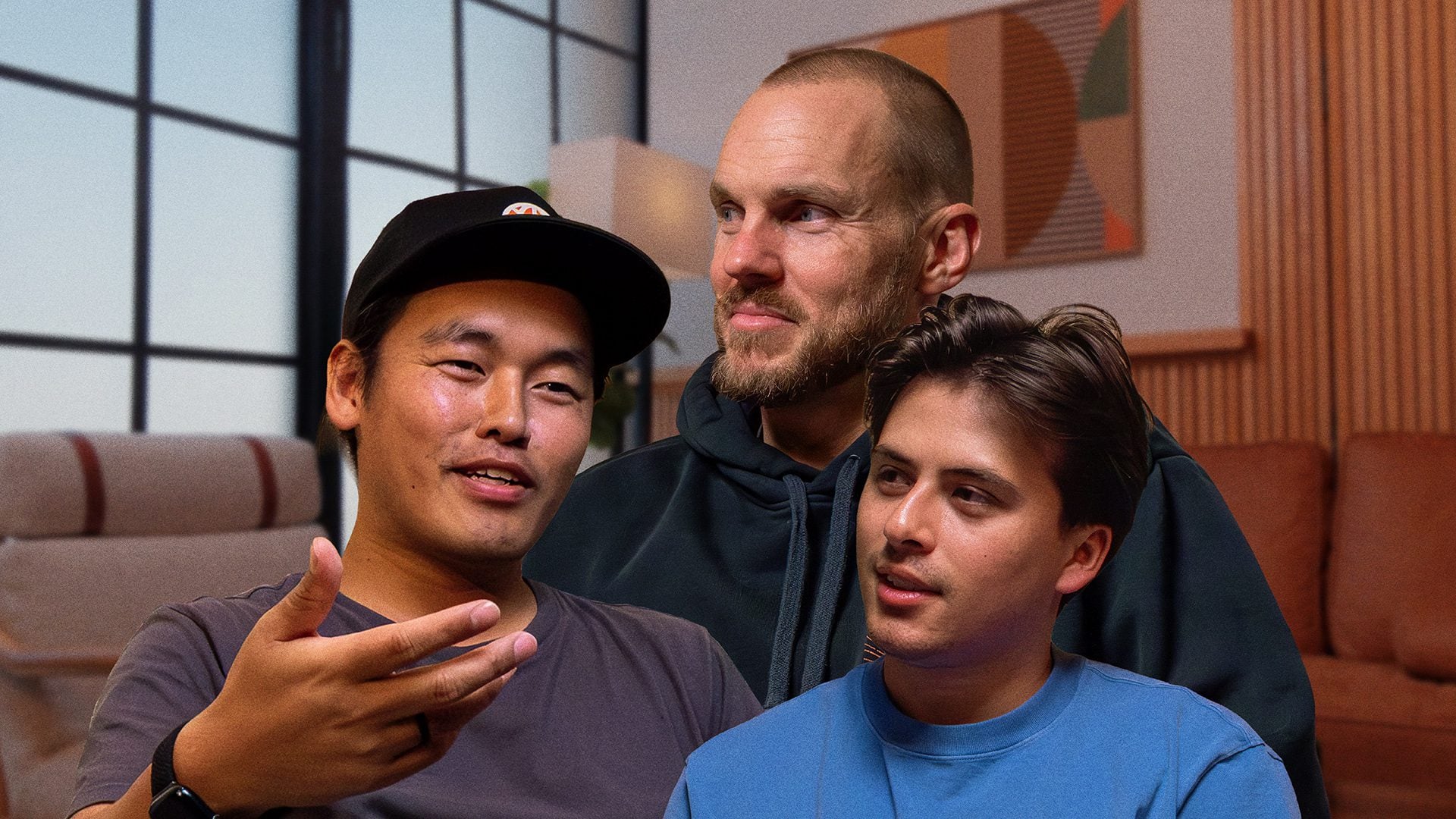
In this episode of Everyday Radical, David Platt and Austin Huang sit down with Noah Lhomi to hear the remarkable story of how the gospel came to his remote village in Nepal. Noah shares how Finnish missionaries Olavi and Marja Vesalainen devoted their lives to learning multiple languages, creating a written form of Lhomi, and translating the New Testament for his people. From there, the gospel began to transform families, build the church, and reshape an entire community.
Noah also reflects on the cost of following Jesus in a heavily persecuted Buddhist context. He recounts stories of beatings, prison, witchcraft, church burnings, and the steady faith of believers who saw persecution as normal Christianity. He also opens up about his own spiritual journey—from growing up in a Christian bubble in Nepal to wrestling for faith in the comfort and distraction of life in the West.
At the center of this conversation is a question for every believer: what does real faithfulness look like today? Not someday. Not in theory. But in the ordinary decisions, sacrifices, and obedience of everyday life.
In this episode:
- How the gospel first reached Noah’s remote village in Nepal
- What persecution and faith looked like for the early Lhomi church
- Why everyday faithfulness matters more than comfort or worldly success
Everyday Radical—honest conversations about living out the gospel with courage, clarity, and compassion. New episodes every Tuesday.
Resources related to this episode:
Noah Lhomi:
Some of these places are actually hard to reach because they’re physically hard to get to, right?
David Platt:
The Bible is not in your language.
Noah Lhomi:
No, Bible was not in our language. But the biggest challenge with that is all of our language was oral language. Nobody went to school. Nobody knows how to read and write. This missionary from Finland back in the ’70s decided that he was going to go to Nepal. So the challenge for Olavi was he had to learn Nepali, which is our national language, completely different, close to Hindi. My language is close to Tibetan, two different languages. So now Olavi had to learn Nepali and then learn Lhomi to translate the Bible. And they did it. I mean, they dedicated their whole life, rest of their life. And most of the literacy stuff then started happening because the gospel came first.
David Platt:
Yeah. So when it comes to persecution along those lines, like for your dad, for others who were coming to Christ, did that threaten their stability in the community?
Noah Lhomi:
100%. Not as much anymore. They have seen the actual difference that it can make when you follow Jesus.
Austin Huang:
Heavily persecuted Christianity was y’all’s normal Christianity.
Noah Lhomi:
There’s no rush to go tell the gospel, but it’s also of the biggest urgency. It has to happen. That is our greatest commission. There’s no, what are we living for if that is not our purpose?
I remember when I first landed in the States, it was at DC. That was my port of entry and just getting completely lost because I didn’t realize you can’t just borrow a phone from a stranger. I tried to borrow a phone from a stranger to call my ride, which was another Liberty student. I went to school at Liberty. I came for film school. I got full scholarship. We go to film school, all that stuff. But all of those things kind of took me back to Nepal, which is what we did the project on Secret Church because I’ve been working on retelling the story of my own faith. Now that I’ve been here for almost a decade, it feels like a different human.
When I look at back my own life, it’s just crazy. I look back at it and even I’m confused how the Lord has been so evident in it. It just felt normal. Those kinds of faith felt very normal. When I was in Nepal, now I long for those faiths. It’s like I’ve become so comfortable here in the West. Yeah. It’s just so hard. One of the hardest season for me generally in faith was when I was working at a church. You would think, especially coming from a Third World country with 10/40 window, no gospel accesss, you would thrive working at a church. But those were some of the seasons where I realized it has to be every day.
Your faith is not… How do I say it? Your faith can’t be what it was. I couldn’t live off of the breadcrumbs that I had 10 years ago or 15 years ago, the persecutions that I walked through. So now I’m trying to pursue that faith again. So I’m longing for those faiths every day on here, living here. So how do I not go find trouble to get persecuted for… So you asked us to run away. I mean, obviously certain line along that, but still hungry for that kind of faith. So I guess we could, I don’t know, talk.
David Platt:
So yeah, let’s step back. All right. So we’re talking with-
Austin Huang:
Noah Lhomi.
David Platt:
Noah Lhomi from… Well, at Secret Church, we highlighted Hard to Reach: Nepal. And specifically your story, your family story, a story of faith that led to your faith in Jesus. And so man, not everybody who’s listening to this has heard that story for sure. So yeah, take us back. Even before you come into Jesus, what was happening that would eventually lead you to Jesus and your family and your village?
Noah Lhomi:
So the easiest way to… The way I describe my village is so that people have cultural context. It’s like a third world part of a Third World country. So then you can kind of picture how geographically how hard it is to reach. I was talking with Steven and it was like, some of these places are actually hard to reach because they’re physically hard to get to. I grew up, my childhood was no internet, no electricity, no running water, no roads. We still… Well, we have roads right now, but you can ask the guys how those roads-
David Platt:
How hard it was to-
Austin Huang:
They’re relative roads.
Noah Lhomi:
Yeah. They’re like, you won’t fall off a cliff kind of road.
David Platt:
Yes. Yes.
Noah Lhomi:
So you can kind of drive and seasonal. So it only operates during fall and winter. And that’s like present day. So growing up, I’m 32 now. I’ll be 32 tomorrow, but I’m 32 now, I guess. So growing up early childhood, you just in a whole different world. I remember shaving pine cones just to have candle situation in the house. That’s how I grew up. So the fact that I’m now just living a whole different life, I describe it as like I always have made midlife crisis because my parents still live there in the same village that I grew up. They still cook in firewood. They still go collect woods. So it’s a very different world. But all of that started because this missionary from Finland back in the 70s decided that he was going to go to Nepal. Originally, he wanted to go to India, more in the Darjeeling area, something like that. And then-
David Platt:
Like North India?
Noah Lhomi:
Yeah, Northeast India. And then he and his friend just trekked across Nepal. While he was trekking along that, trying to figure out a people group, he just met some Lhomi people in the 70s, just hiking down the mountain during winter because we always migrate. It’s so cold during the winter. People just leave the villages. There’s no insulation. The houses are built with rocks. So straight off the ground, you just collect rocks and pile. It’s like a shade. You traveled to Nepal, so you kind of get that cultural context. So when they were hiking, they met these Lhomi people and the missionary’s name, his name is Olavi. He talks in one of his interviews that he had… The Holy Spirit confirmed that these are the people group that you’ll be working with. And that’s in the 70s. And he was on track to become a doctor.
And the Lord just wrecked his life with just in a good way. And in his late early 30s, he just decided that he wants to be a missionary. And I think he was engaged at that time, got married in Nepal. His wife came from Finland. They got married in Nepal.
David Platt:
They didn’t get married in Finland.
Noah Lhomi:
And then moved to Nepal. They got married in Nepal. She came to Nepal in Kathmandu and she was married. They were probably the first foreign missionaries married by a Nepali pastor.
Austin Huang:
Wow.
Noah Lhomi:
And there was only two churches in Nepal at that time. And we’re talking the early 70s. There were not a lot of… Nepal was a Hindu country until 2008. So you’re talking even, I would say, less than like 2% are still Christians to this day. So in the 70s, you can count. Yeah. Far less than you can count them in.
Austin Huang:
On your hands.
Noah Lhomi:
So when all of that happened, because they chose my village, so the way they served the village was they were trying to translate the Bible.
David Platt:
Because the Bible was not in your language.
Noah Lhomi:
No, the Bible was not in our language. But the biggest challenge with that is all of our language was oral language. Nobody went to school. Nobody knows how to read and write.
David Platt:
So was it even written at all?
Noah Lhomi:
No, it’s not written. We call it the Lamas, the priest of the Buddhist. I came from a Buddhist background, like my family. Everything is passed down orally. Only the Lamas know how to read kind of. They know how to read in a very primary level reading. They all have the Buddhist scriptures, but they don’t even know what it means. They can read. So all of the houses have those Buddhist scriptures that we just put in the house. It’s like a family Bible kind of thing. And during funerals, during all those things, the Lama comes and reads it. Nobody understands. So it’s all cultural.
David Platt:
So yeah, you’ve got this in your house, but nobody in your house can read it.
Noah Lhomi:
Nobody can read.
David Platt:
Knows what it says.
Noah Lhomi:
Collect dust and it sits on the thing. And we actually photographed one of the… I mean, obviously we don’t have it, but the house that Olavi stayed in, they still had it. So we photographed last time when we’re traveling there with the Radical, like your team. So Steven has some of those photos and Josh, so you guys can look through it, but it’s basically like Tibetan fonts. So the challenge for Olavi was he had to learn Nepali, which is our national language, completely different, close to Hindi. My language is close to Tibetan, two different languages. Back those times, people didn’t even really speak Nepali. My people didn’t even really speak Nepali. My parents, my mom still struggles to speak Nepali fluently. So now Olavi had to learn Nepali and then learn Lhomi to translate the Bible.
Austin Huang:
Wow.
Noah Lhomi:
And they did it. I mean, they dedicated their whole life, rest of their life to learn the language and actually translate the whole New Testament into our language. And most of the literacy stuff then started happening because the gospel came first. So some of the earliest textbooks in our language… Actually, I would almost say the first literature in our language is the Bible, the New Testament.
David Platt:
Because there wasn’t any literature in your language until Olavi, his wife gave their lives to even writing the language, and then obviously putting Scripture as the first thing.
Noah Lhomi:
And on that process is how our pastor, who’s the first believer from the Lhomi became a believer because he was hired to help learn the language. So he was actually… He was given a job first before he became a believer. He was translating the Bible.
Austin Huang:
Wow, before he was a believer.
Noah Lhomi:
Yeah, he became a believer. Yeah. And then my dad is the second-oldest believer from my tribe, and he learned how to read and write because of the Bible. He never went to school. He never got to… And he learned more about lamas and priests, and he knew Buddhist religion more than he knew Christianity, but he became a believer because he was an orphan, just outcasts by the community quite a bit and very epileptic. He had epilepsy. So he always had just seizures. And for those time period, they consider it demon possessed. He had a lot of persecution locally, not even when he became a Christian, as a Buddhist, because they believed it was demonic.
David Platt:
Yeah. Almost like Mark 5.
Noah Lhomi:
Yeah.
David Platt:
“This guy’s possessed. We’re putting him on the side over here.”
Noah Lhomi:
Yeah. When I read all the stuff that happens in New Testament with Jesus, there are actual families that have been healed from paralysis, all of those lepers. And the whole family became believers and they’re still believers. So we have a lot of those stories. So faith was always easy, I guess I would say, in that sense because it was what the Bible said, we saw it happen. So you live it out.
David Platt:
Yeah. You’re not reading the Bible and then thinking, well, that was back then, but now it’s different. You’re like, yes, that’s the Bible and that’s what we see happening.
Noah Lhomi:
So when I first came to Liberty, it was harder because now all of a sudden I have to argue about the works of the Spirit in that sense. It’s like, “Oh, this doesn’t happen anymore.” Because everyone’s young, you just finished high school. We’re at a Christian university. We all want to know how God moves. Everyone’s eager to understand faith, right? But for me, it was harder in the sense of, wait, we’re just trying to figure out to justify our faith in a way. But for me, it was to become a Christian in Nepal was… It’s not a fun thing. What we call it? It’s not the easier route, I guess. You’re going to be persecuted, at least from a cultural level, even to this day.
Austin Huang:
So around the time that your dad became a Christian, was Christianity spreading a lot within your people or was it still very…
Noah Lhomi:
It was so bad. So there were only, I think I would say the first we call it, there were a couple waves of Christianity. So my dad, our pastor, and there were two other believers, just them for a solid five to 10 years, no believers. And they were all uneducated except for our pastor, but even his education was like, he knew how to read and write. That’s his level of education that he had. That’s why he was able to read Nepali, help translate into Lhomi. And my dad helped translate the Bible a lot as well because he knew Lhomi from orally very well, but he didn’t know how to read and write. So he would proofread all the Scripture in Lhomi and eventually he learned how to read and write because he had to proofread the Scripture. After that wave, the Finland, the Free Church of Finland and the organization in this Finnish government in general, a lot of the time they really help with the literacy of Nepal and health sector.
And there were a lot of missionaries from Finland that just pour into our people groups so much. Even to this day, they’ve been doing it for the last 50 years and they’re still doing it today, but they started giving scholarships to lonely youth to go to universities, to go to schools. And that second wave of believers are the people that built my church in a way, because they knew the Scripture, they knew how to read and write.
They understood faith from not just purely having a personal experience with Jesus in a sense of healing or just considering a different god. It’s like, all right, we used to worship Buddha, now we’re going to worship this other guy. Because a lot of people that didn’t have a good understanding of who Jesus is, it’s like there’s a shifting who they are worshiping in a way. It’s like a different God. It’s like another form of God. And obviously my dad knows Jesus in deeper level because he’s experienced God in a way different level. But his time period, people, most of them, it was just a different God. It was a shifting. That’s why when persecution broke out, I mean, it’s just like you’re thrown into jail all the time. They get beaten up. I mean, the rule was back in the days, in the ’70s, Nepal was a kingdom, but most of the rules were governed locally by the local… They have a mayors system, but they’re all religiously elected in a way. Those are always the lamas or-
David Platt:
I was about to say, was it the lamas mainly would be the mayor?
Noah Lhomi:
Yeah. Always the lamas or in a Hindu heavy community, like some of the priests, basically always the religious influential people. That’s why, again, understanding the Bible is very, in a way, easy for us because when we talk about the Pharisees and the South, you understand it. You understand not just the religious influence that they have, but the political influence. For my brain, at least learning about Scripture was very… And they did a really good job translating it where they have used a lot of Lhomi terms when they translated the Scripture, so you just get it.
So then when my dad became a believer, the second wave, there were so many people that were believer at that time, couple guys, but they lost their faith obviously through a lot of persecutions. So it was my dad, our pastor, and I think after that, the second wave of our leadership came in and then they realized that, oh, we need to do fellowships together. Christians do this in the cities. They come and worship together. They do this. We have to have our community mostly because life for us is very communal. If you don’t have community, might as well consider yourself dead in that kind of lifestyle. We farm, we work all day, all night doing work environments. And then winter, you just live off of potatoes, whatever you harvest all year round, wherever you plant, whatever you grow, you have couple cattles, you have couple goats, couple chicken.
It’s like the home state, but not the fancy version. It’s like the life… That’s just life, right? It’s always great. The idea of homesteading is great until you have to do that for survival.
David Platt:
Surviving that. Yeah. Totally.
Noah Lhomi:
It’s not out of abundance. It’s out of necessity.
David Platt:
So when it comes to persecution along those lines, like for your dad, for others who were coming to Christ, did that threaten their stability in the community? Were people in the community… Because once… I mean, you just said the way… I can’t remember the exact way you put it was so strong. Yeah, you die without community because you can’t survive, you can’t live, because you need each other. But when you become a Christian, you get cast out in a sense.
Noah Lhomi:
100%. Not as much anymore. I think people have understood because the Lhomi believers have lived a different life for almost 50 years at this point. They have seen the actual difference that it can make when you follow Jesus. The people that really want to follow Jesus after looking at the Lhomi, it has been an easier transition in a way. But again, like earlier you guys were talking about if somebody’s heart is hardened. I mean, nobody can convince it to not torture even if it’s your own daughter, your own son. And those stories are common. It’s almost like the whole church is made up of those stories.
David Platt:
Of people who’ve been tortured, persecuted.
Noah Lhomi:
Culturally, some politically. So my dad got beaten up quite a few times, thrown into prison, broke his teeth, backs. The children home that I grew up, he was the high school teacher, got persecuted from government, persecuted from rebel armies. I mean, it’s just normal. It almost felt like that was the lot that we’re dealt, but nobody was in a way scared about it or nobody was… How do I say it? It was so normal that it wasn’t even a big deal, if that makes sense. It was just like you would give your life for it 100%.
David Platt:
So heavily persecuted Christianity was y’all’s normal Christianity. Expected.
Noah Lhomi:
It was expected. Yeah. It was like, oh, this is normal. It was a normal thing. But the thing is, some of those were not all the time. You were not getting persecuted all the time physically, but my mom got beaten up by our aunts and people try to burn down our house. And in Buddhist community, you can also do a lot of what we consider witchcraft, but they do a lot of… How do you describe it? They basically do spiritual chantings and stuff and tie things. They can hide under your houses. It does affect each other. A lot of the Lamas can curse other people, individuals.
David Platt:
Wow.
Noah Lhomi:
Seems to work.
David Platt:
Spiritual warfare is real. There’s causic powers over this present darkness that are at work.
Noah Lhomi:
So when we rebuilt our house, my dad found so many of those chants. There’s murder curses.
David Platt:
Oh, my God.
Noah Lhomi:
Obviously it didn’t work on him because he found those. And eventually people realized that we can’t touch them spiritually at all. So there’s still law of the land where you can’t just go beat up somebody just to beat up somebody for their faith. Because in big picture, we’re still all semi-related. The whole village that I grew up came from one family. So no matter how much you persecuted, at least right away, if they never gave up, you don’t just go beat them up and throw them on the streets because eventually the Christian number was getting bigger and bigger to the point the whole village almost turned believers.
And that’s when the rebel army in Nepal. And that’s my time now. So our first generation of our believers was just my dad, our pastor, and couple of them, the second generation of the believers on church leadership, they build a church. They build Gangli church from nothing to an actual building packing out for the village for almost a good decade, I think. And then, so I was born into a Christian family. That’s why my name is Noah. It’s like my dad just named me and in our culture, the Lama names or somebody has to name something, but my name is Noah, never changed the name. And that was some questions that I used to get like, “So what’s your real name?” I was like, “It is Noah.” It’s the same. But my dad named it because he wanted it to be biblical name.
But in my time, Nepal was going through a civil war, and that was the early 2000s, probably started mid ’90s. There was a civil war that broke out with this group called the Maoist, and they were in the terrorist list for quite a bit of time until I think late 2008, nine, 10. I think they were still in the terrorist group, at least from the US at least. But the civil war broke out where they started basically trying to turn into a communist regime kind of thing. And Nepal is a Hindu country. A lot of influence from India, obviously. And for the Hindus, the king is a form of their gods. Hindu has millions of Gods. So it’s a very spiritually religious place. Obviously, communism doesn’t mix.
But the downside of all of that is all minor religions and specifically Christians were easy target. It’s easy pickings. We don’t have protection from the government because we’re a Christian minority like, “Oh, you got bought out by dollars.” It’s like, you are this or that. There’s no protection for us from the government. Well, there’s no protection for us from the Maoist. For us, it’s a Western ideology. You don’t want that. They believe Christianity came from the US. Obviously it’s not, but that’s the belief that normal people have. So what that happened, what that caused was there was one night where… And this time around, we’re thriving. The church is huge. For the village, church is big. There’s Christmas carols, just stuff happening all the time in the church. But early-
David Platt:
So you’re thriving, but vulnerable?
Noah Lhomi:
Very vulnerable. We never thought we were vulnerable because we are a big number. And again, Christians are not saints, so people still try to defend it as a group. But when that early 2000s, almost 2001, the Maoist group, they came and during probably a couple of weeks before Christmas, they burned down all of… I say burn down the church because it’s a rock church, so you can’t just burn down the building. It’s built out of rock, but they burn out everything that’s in it, all the Bible, everything, and broke the windows, the doors, and beat up the youth and my brother. They were early teenagers, but they were the church youth that ran the church. All got beaten up. Some people lost their teeth. My brother got bruised up on his head. Some people got shot. Thankfully, it’s a bad gun. It’s not like a bad target, basically. So nobody lost their lives, but it scattered and basically killed the momentum of faith for, I would say even to this day.
Austin Huang:
Wow.
Noah Lhomi:
It was so big to the point where the village was… Almost all of the village youth of that time used to come to church or in a way, attend some sort of a house fellowship, almost everybody. And then since that day, the church basically went downhill. From a numbers perspective, we’re still obviously larger than what we used to be, but from the faith side of this new converts in that village, almost plateaued for the last 10, 15 years. And that’s the persecution that scattered all of the believers mostly to the cities, Kathmandu. And that’s where I ended up growing up. So I grew up the first nine, 10 years in the village, and then after that, I came to the city. So I had my parents, but then I grew up in an orphanage home because the schools were bombed, health was in the villages were bombed, the churches were bombed, so we just had to run away for our lives.
David Platt:
Yeah. How old were you when that happened?
Noah Lhomi:
I was nine.
David Platt:
Oh, nine years old.
Noah Lhomi:
Nine years old.
Austin Huang:
And you were already a believer at that time.
Noah Lhomi:
Yeah. So I was born in the Christian family. So obviously believer young enough to understand who I am as Christian, but not mature enough to understand why this is happening. I thought my understanding of Christianity when I was younger was we’re the good people. Oh, God. I’m like, oh, I didn’t realize all these bad things happened to good people. That was your early understanding of my faith. And especially even it was a better opportunity that we are in the city because we get to go to better schools, better access to education, food, everything. But as a child, you’re still separated from your parents. And that was very hard in a sense because when you’re eight, nine years old, you don’t care about your education. Why would I care about what I want to study? I just want to play and be with my parents and go roam the woods and just swim in the river.
You’re still young, too young to understand what life has dealt for you in that sense. So the rest of my life till I came to the US, I grew up in the children home. And then… Yeah.
Austin Huang:
And you said at the beginning when we started that you honestly long for the faith that you had then. How did that grow in the time that you’re in Kathmandu, you’re growing up? How did faith as a Christian, how is that different from what you’re experiencing now?
Noah Lhomi:
Yeah. So I think in a way, when you’re younger, surprisingly, I grew up in a Christian bubble in Nepal, which is very rare because I went to a missionary school called Living Stone, which is named after David Livingstone. It’s like a missionary school that this Korean missionary started in Nepal. So I was born in a Christian household. We are super active at the church. Church is kind of like a… It’s part of the lifestyle because coming from a Buddhist background, your culture, your food, everything is part of a religion in a way. It’s a cultural identity. The way you eat, the way you face when you walk, everything is cultural and religiously tied. So when Buddhist background people became Christians, they carry not the culture of the Buddhist, but they carry the DNA of the lifestyle with you.
And I think for the Lhomi, we had our own instruments, like Lhomi instruments that we… Buddhist people use it for Buddhist reasons. We use it for our worships. Everything, you don’t become a different person. We don’t give up our dresses that the ladies wear. You don’t give up the normal human and then you just become a different… Basically, you follow Christ, but you don’t give up all self whatever. So the faith-wise, I think for me, I guess to answer your question, because when I was young in my formative years, I spent a Christian school in a really good Christian environment. In the children home, we had Bible study almost every night. You have prayer every night. Quiet times, I didn’t realize it’s not a normal thing. I don’t practice as much as I used to when I was younger.
And I think that’s what I wanted to address was I want that lifestyle because I didn’t realize how much of that shaped who I am. And even at such a young age, even when you are forced to do quiet time, which is not time out, it’s like you literally have to go for 15 minutes, spend time with the Lord, read the Bible. That was just part of your every day until you are now on your own and you realize the whole world is different around you.
So when I graduate till 10th grade at the missionary school, I went to a public school in Nepal and that’s when I realized, wow, this is the real world. And I felt so dry. And that’s when I realized that this is not normal in Nepal. I grew up in a Christian family, Christian culture, Christian community with Christian children home with other people to share and grow with together. But when I was on my own, I was literally probably the only believer in hundreds of students. One of the first thing… Actually, it’s a tattoo, so people have different opinions, but I had gotten Jesus as a tattoo when I was in the university, mostly to encourage myself to be bold about my faith, to not shy away from it, because it is so easy to shut ourself or hide our hype in the mass.
If there’s 300 students and you’re the only Christian, you’re not going to be like, “Listen to everybody. We’ll tell you about Jesus.” It is very hard. I felt that every day. And I think one of the reason I actually started skipping school a lot was it was a very lonely journey because you’re just on your own with no believers around you. We still had our church community and stuff, but school is where you spend most of your days when you’re in the university. And that was a very hard journey. And so I actually got this tattoo when I was freshman to challenge myself to speak out about my faith.
Austin Huang:
So cool.
Noah Lhomi:
And then, but on that journey is how I ended up at Liberty, mostly because I couldn’t afford because my parents are still cooking with fire. That’s the reality. They still live in the mountains. So I couldn’t afford to… The children who only provide education to your high school, and after that you’re on your own. But when you’re from a village, your parents farm to just eat your food, just survive. And I want you to be a mechanical engineer. So you don’t have money for HSA. But the Lord had different plans, obviously. So when I was in the science college, I was going through my own spiritual journey, I would say finally as an adult, like early late teens, early teens, like basically going on my own spiritual journey, understanding who God is. I had all of these experiences of growing up in a Christian community, a Christian family, persecution, like dad’s stories of crazy faith, being almost killed for his faith and still going through it.
They all sound amazing. And then here I’m struggling to be a Christian at a university where it’s a science university. So there’s a lot of dialogue that’s obviously not Christian supporting, but I’m struggling about my faith and struggling about basically everything else in life. You can’t go to school, what you want to study, identity, everything else. And I think in that journey is where I started pursuing God deeper. Because I had kind of walked away from my faith, not walked away, but just given up pursuing it intentionally. And when Liberty happened, all of that thing happened was because I had a confirmation from the Lord when all of this… It’s a different tangent of the story, but the gist of this story is like, it was one of those faith moments where the Lord said, “I need to walk in and he’s going to provide everything else. He’s going to be there for it.”
And Liberty is the biggest Christian university in the world, and it’s a private university. So you can’t afford to pay for it. I couldn’t afford less than $3,000 a year to study engineering in Nepal. So forget about liberty. It’s not even in the picture. And to tie back to when I first landed at DC and drove to Virginia, I woke up and I was culture shocked because that’s how I had never dreamed about the US.
You can’t dream of things that’s not reality generally. Because I had pictured the US to be like New York or LA, what you see in the movies. And I woke up in Virginia, like Lynchburg, Virginia, which is like a college town. The houses are smaller than Kathmandu and nobody’s walking outside. And you’re like, “What is this?” But in all of that pursuit, faith had been so consistent and Liberty was not easy, obviously, because I didn’t realize I didn’t have full scholarship. I thought everything was paid for. No, it was not. It was institution. Only certain percentage of the tuition. But the Lord, I mean, that whole four-year journey, I was always ready to go back if that’s what the Lord wanted. I’m like, “God, you brought me here.” Nothing was possible without him, so you have to sustain me if this is what you will. And if not, I am actually okay. I was so strong in my faith looking back, I was actually okay to give all of that up to go back every day.
And that’s what I kind of long for it right now is because life is a lot more comfortable now. And sometimes I’m like, “Am I okay to give all of it up?” I don’t think how I used to be able to give up everything, I don’t have that much faith as much anymore. And when I finished my degree in film, I obviously moved to Austin, but the goal was to pursue Hollywood and be a filmmaker, whatever. You start doing that and you realize it’s all vain. It’s all vanity. And that’s when I started working on the project, like this, my doc of trying to… The Lord brought me here for a reason. He helped me finish through school. And if I almost give all of that away or just put it aside, what am I doing? This is the dumbest thing ever.
I had a realization once I started freelancing and working in big commercials and just spending 12-hour days on big commercials and realizing this is the biggest waste of my time. I had a moment on a big set and after that, I literally stopped pursing that completely and did a 180 turn on how I wanted to use my skills. And so I’m on that pursuit of trying to find that faith again. And it’s been such a wonderful journey, but I still obviously long for where I don’t have to… I felt like faith was so easy because of the circumstances that I never questioned it. And I’m trying to be in that situation now, but I think life is a little bit different when you are married, have a kid, obviously we can all make excuses about our faith, right? “Oh, I’ll bury my dad and then I’ll come back.” There’s the stories of the parables of just, “I’ll go do this and then maybe I’ll come follow you.”
But there might not be time to do all of that. And that’s when I started purchasing this story and all of the connections with just getting to meet Seth and everybody just happened throughout that journey, trying to retell the story of the missionary, my own journey, just to encourage people that there’s no rush, but then there’s always a rush. It’s like there’s no rush to go tell the gospel, but it’s also of the biggest urgency and what do you call it? It has to happen. That is our greatest mission.
What are we living for if that is not our purpose? But how do we do that with our gifts? Because we can’t just give up everything we have and just pack it and go. It’s not going to work that way. We have seen different ministries, organizations and stuff try that in different shape or form. We have the collective knowledge of Christian history to learn from it. So then what does it look like as a filmmaker in Austin? What does it look like somebody from Houston? And obviously David has been super influential with all of his stuff, but what does it look like for somebody like him as well? It’s like an everyday thing. So for me, that’s where I’m at right now is like, oh, I would love… I long for the faith where I didn’t even have to question it. It’s like, oh, it’d be so cool to just be there. But I know that’s not the reality. So I still have to make an effort every day that I hope every day is that reality.
David Platt:
Bro, as I’m listening to you, I’m thinking about… Well, I’m just thinking about all the different pictures of faith that have formed the kind of faith you’re talking about. Whether it was a Finnish brother and sister or husband and wife who did leave behind a lot of comforts that would come with being a doctor in Finland to go and write a language and translate the Bible into that language.
Noah Lhomi:
Two languages.
David Platt:
You learn two languages. Yeah. What a picture of faith. And then I think about your dad, your family. That’s a whole nother picture of faith to trust in Jesus even when there’s only a couple believers and you’re getting regularly beat up or thrown in prison or ostracized and things getting burned. And man, that’s another picture of faith. And then I just think about that faith. I love the way you described just people in your village as they were coming to know Jesus were like, “Well, yes, that’s what Jesus does. He heals people. That’s what Jesus does. He moves in miraculous ways. And we just believe that because that’s what the Bible says.” Man, yeah, for grace, for you and me, Austin, for all of us to have… So what does that picture of faith need to look like in each of our lives? Now that’s mine. That’s what I’m just processing over here.
Whatever faith that is totally taking you at your Word, trusting you and willing to do whatever you call me to do, I just want to live that faith. And the thought of what that looks like in your life as a filmmaker in the day’s ahead, but it’s a fight, isn’t it?
Noah Lhomi:
Yeah.
David Platt:
For that kind of faith because it doesn’t… We get lured into the world, we get lured into comfort, just into a safe faith that makes excuses for not seeing the things we’re not seeing in the Bible.
Austin Huang:
And I’m encouraged by you because he didn’t name-drop any of his big commercials, but I heard from Seth that there were some pretty big things that he was working on. And the fact that you said you would end the shoot day and just be like, “This is vanity because it’s not telling the story of Christ, it’s lifting up this brand’s name or this company’s name.” This is all just going to pass one day. And so I just think it’s such an honor to sit down with you and just hear the story of what God has done in your life, in your family’s life. I just believe that he’s going to use that. Even this content, us sitting down for the conversation for what you have created with Hard to Reach: Nepal, people are going to watch that story and just come away with a newfound understanding of like, number one, there is a need for the gospel to go forth in places like Nepal.
But number two, yeah, like you just said, David, the story of the Bible is so rich and it’s so alive and it’s living and active. This Word is living and active and you’re getting to… I mean, they’re going to see the life that you’ve lived and praise God and say the faith that you are talking about that you want to have back, this is available for all of us.
Noah Lhomi:
I think when you guys are talking about it, one of the thing that I got to learn from the missionaries, because we were in Finland last summer to chase that story. We’re there with your team and I was there too, and I was there actually for longer. I was there for 10 days just spending time with them. The missionary, Jesus went to be with the Lord this December.
David Platt:
Really?
Noah Lhomi:
Yeah. But I got to be in his presence. And I told him, because we worship a true God, we don’t have an idol of him in the village or else he would literally… We would have the golden calf. Golden is right there. That’s how much of his legacy has changed the people group, literally and spiritually. And when I was talking to Marja, his wife, she was there too. And she was like, “We never expected any of this to happen.” And because I asked them, “What does faith look like?” And they’re very gentle people and very private people. They never talk about faith because I feel like sometimes faith seems like doing something crazy outrageous that it draws so much attention. For the general people, when they think of faith, it feels like, “Oh, jump from a building kind of feeling.” And for those people, even their neighbors didn’t know what they did for 50 years.
They didn’t know who they were. They just lived a very quiet life that was so fulfilling and even they didn’t know what to expect in a sense. I asked her, I was like, “How did you guys do all of this?” We didn’t know it was going to be this big. We didn’t know God was going to show up this heavily. We just knew we had to do the work, so we just did the work every day. We would have been just fine if we never got to see any of that fruit because in his eyes, in the kingdom of God, you were faithful to pursue what you’ve been called to. The fruit might be a hundred years down the road. Who knows? There’s so many missionaries that lose their life that never gets to see that fruit.
For sure, they will get to see that in heaven. But in a lifetime, even we know so many people, like friends that have been kicked out of a place, they never get to visit their people again. They never get to see that. But that’s the joy of true faith is you don’t do it to see the fruit of that while we’re alive. And I think one of the things, especially younger generations, we’re so spoiled for instant gratification, Amazon Prime, I need my thing tomorrow, right now, everything instant. In that pursuit, I think we have lost a true art of pursuing Jesus, which is very slow and very quiet, but it’s off the utmost urgency to do it every day because again, the reality of it is it could be our last day today. It’s true. And when I am in front of Jesus tomorrow, I hope not tomorrow because I still want to go see my kid, but when we are in front of him, what do we want to answer with?
And I think it’s not a fear thing, but it’s almost like for me right now or at least present day, I want that to be my biggest priority. And I think that will push the next generation to do the same because what’s it for somebody to gain the whole world and lose its soul? But the flip side of that is, if we got Jesus, we have it all. So it’s okay to not have anything that the world promises if that is what it’s going to cost you to pursue Christ, including your life.
If it costs you your life, you still have the most important thing that you need and you have it and you’re going to have that for eternity. So I think obviously it’s not always easy to practice that, but it’s very comforting to just take big risk in the sense of career, very do counter cultural thing. Because as one of the normal thing for immigrants like me is you come to US, which is… I mean, it’s the dream for everybody in the world to make American dream is real. I know that for myself, but in that pursuit to go against the grain while being here has been the biggest lesson that I learned is it’s so worth it. It’s so worth it to go back and it’s so worth it to do jobs that are different than… Because I think it baffles my immigrant friends that I do things that doesn’t make sense to them.
They’re like, “Wait, we can’t think like this. We’re immigrants. You have to hustle. You don’t have that resource like everywhere.” No, I think this way because I’m thinking for eternity, I’m not thinking because I want a building in Kathmandu. I’m not even living there. My parents are better in the village. They are better off in the village actually. They have visited here. So I think to have that changed mindset is a cultural, going against the cultural grain of what we’re taught to go achieve. When earlier you were talking about even to speak and evangelize, you feel like you have to have certain credibility to go do that. But that has never been the case if we look at the Scripture. We are always asked to decrease so that he can increase. We’re always asked to be on the background in a way so many times. And it’s hard because our world present day feels like who has the bigger influence when you talk, but God has the biggest influence. And if he really wants to move your heart, he has used a donkey to convey messages that what are we?
It’s okay. He’s going to change the heart or the messenger and he’s going to make it happen. So that’s where I try to find myself to like, okay, I don’t need the best skill. I don’t need the best connections. I just need the heart that wants to highlight Christ either in workplace or on set or on driving throughout to get a food. So yeah, it’s kind of everyday struggle, but that’s-
David Platt:
The way I would, as I’m listening to you right there at the end, I’m like, it’s what’s most important to heart. Success is, and I think, man, this is the word that’s just stuck in my mind. You’ve mentioned it numerous times. Success is faithfulness. It’s living full of faith, which is going to lead you to live very differently from this world. I think the subtitle of the book I wrote years ago, Taking Back Your Faith From the American Dream, I’m writing that from the perspective of somebody who’s grown up with the American dream. You’re talking about it as somebody who’s… Yeah, all your immigrant friends are like, “This is why we came here to experience the American dream.” And you’re like, “No, no, there’s a bigger dream.” And the bigger dream is to stand before Jesus and by his grace, hear him say, “Well done, good and faithful servant.” So full of faith, whether that’s Olavi and his wife, Maria, man, faithful, just faithful and your dad, your family, your church family there, just faithful.
And I just don’t think it’s an accident that when we were praying before this episode and just prayed for the Holy Spirit to lead us and then said, “Hey, why don’t you just start by telling the story?” And you could have started with any… And where you started was, “I really miss my past faith.” I think that’s like the Lord just in this episode, this conversation, I know he’s speaking it to me, I think he’s speaking it to all of us, don’t settle for anything less than living full of faith. And the kind of faith that takes God is his Word, does whatever he tells you to do, no matter what it costs, believe in that he’s better, which is going to involve spreading the gospel. Wherever he leads you, down the street today or maybe the other side of the world. So man, would you mind praying for us and just praying for everybody who’s listening to us that we’d be faithful. I just want to pray that over… I’d love you to pray that over me and all of us.
Noah Lhomi:
Yeah.
David Platt:
Yeah.
Noah Lhomi:
For sure. Yeah. Dear Jesus, thank you so much for this wonderful opportunity where we get to come together, use technologies to share the gospel, to share your good news, your testimony of how faithful and good you have been in my life, in our life, and in life of people that are tuning in this episode or wherever people, however they’re hearing. We pray that you speak to all of us to pursue you with the most priority and to love you and to honor you and to live this life that you have given us to glorify you in ways that might be culturally very against the grain, might not make sense to the world, but to do it because that is what is asked of us, Father God, and to give us strength and grace to actually do it with honor and do it with love and kindness and not be boastful in our own strength or in our own skills or in our own experiences, even Father God, but to just point everything back to you that every day that we live is a day where you have given us that life.
You’re making our body function every day. And so it’s not because it’s of our strength. And just to point it all back to you, despite our occupation, where we work, what we do, just to honor and give it all back to you because at the end of the day, you are the only one, the only one that deserves it all and none of us are worthy of your grace and your salvation, Father. And we’re thankful that we get to come together from different walks of life and still have you as our main common ground and common subject fatherhood. And thank you for your faithfulness in our lives. We pray that that goes to all the people that are tuning into this and just our circle around us, Father God. Jesus name we pray.
David Platt:
Amen. And God, I just want to add on top and just pray specifically for Noah’s family and for our brothers and sisters in Lhomi villages. God, we pray that they would know your nearness to them, abide in your love for them. And God, we pray for the flourishing of the gospel among the Lhomi people. Please, God, please, please, please. We pray for awakening, for salvation among more and more people. And the village where Noah’s family is and multitudes of other villages in the mountains of Nepal. God, we pray for the hallowing of Jesus’ name across Nepal and that you would bless your Church walking through persecution toward the end that you would be glorified, the gospel would spread and your people will experience your joy in ways that are far greater than anything, safety or comfort possessions in this world could ever touch. In Jesus’ name, we pray. Amen.
Austin Huang:
Thanks so much for listening to this episode of Everyday Radical. We pray that it encouraged you in many ways. We do this every single week, so be sure to subscribe or follow to not miss the next episode. We’ll see you then.