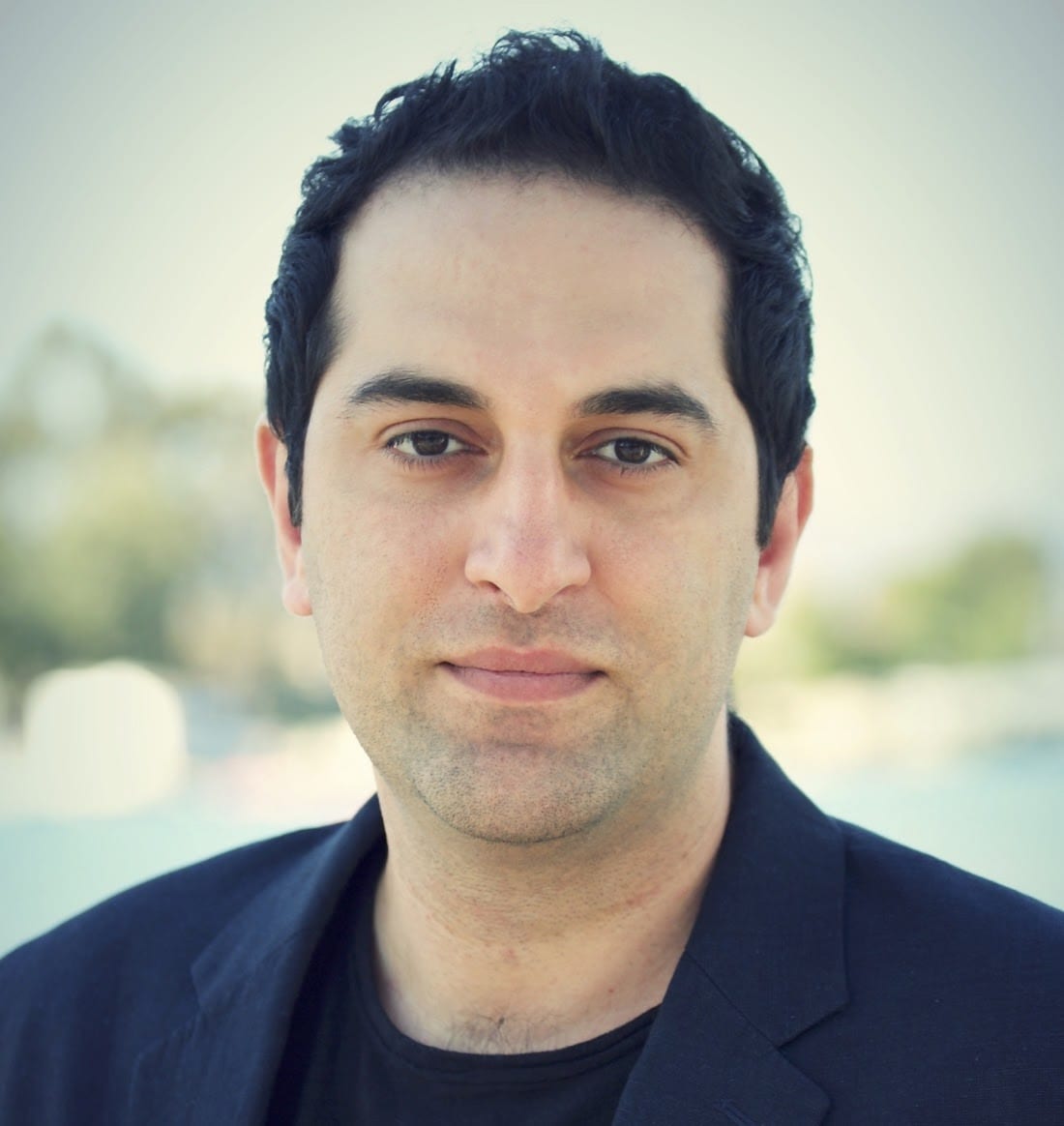

What’s Really Happening to the Church in Iran with Nima Alizadeh

What is really happening to the church in Iran?
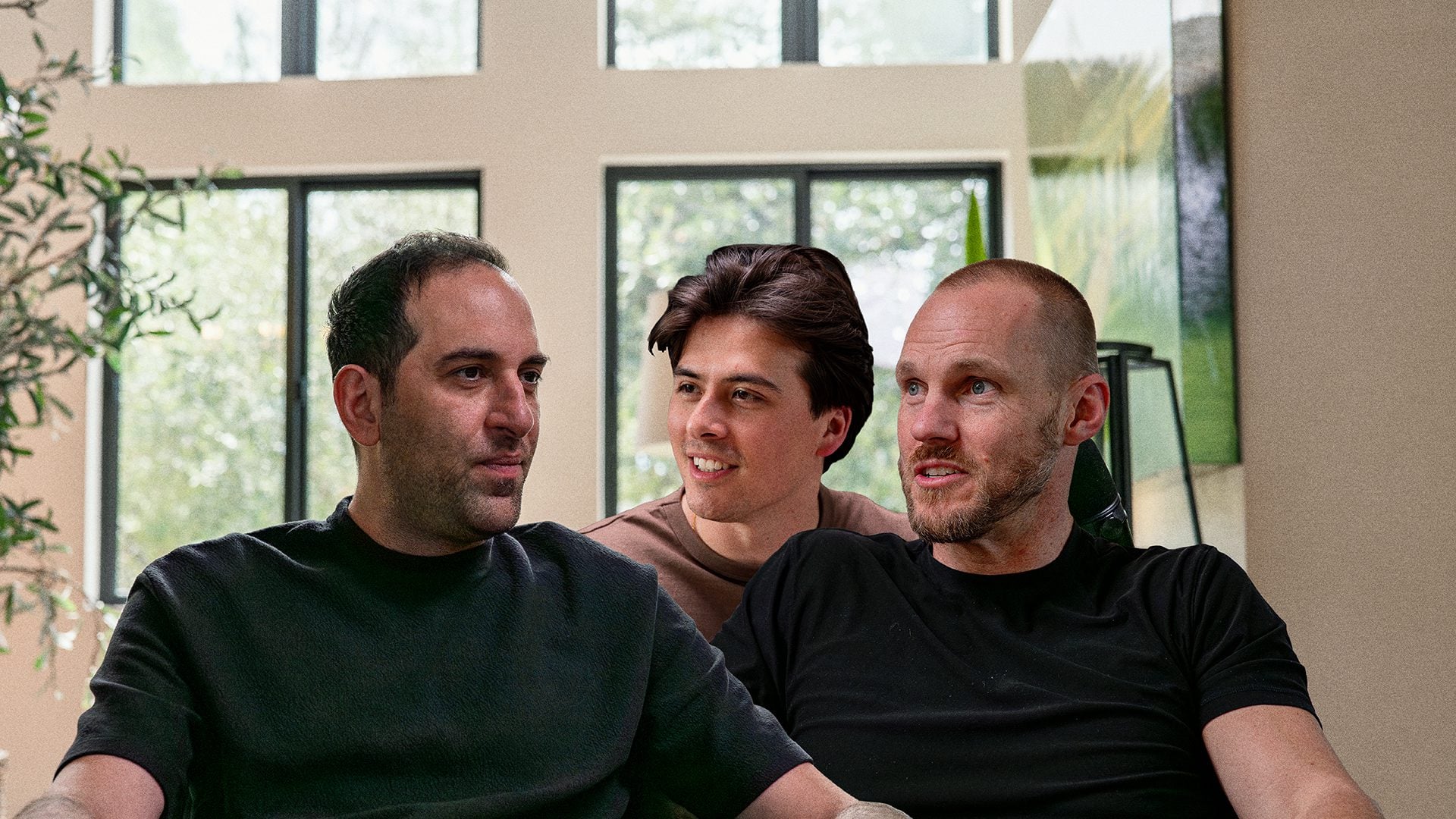
In this episode of Everyday Radical, David Platt and Austin Huang sit down with Nima Alizadeh to talk about the state of the church in Iran, the cost of converting from Islam, and how Christians should think wisely about persecution, politics, and the kingdom of God.
Nima shares his own story of coming to Christ in Iran, growing through underground house churches, and eventually helping plant churches and disciple believers in one of the most spiritually searching societies in the world.
They also talk about the complexity of the church’s growth in Iran. While many people are turning away from Islam and showing interest in Christianity, Nima explains why maturity and discipleship matter more than inflated numbers or sensational headlines. He offers a sober but hopeful perspective on suffering, the spiritual hunger inside Iran, and the need for biblically grounded discipleship that helps believers endure with faithfulness.
At the center of this conversation is a call for the global church to see Iran not merely through politics or headlines, but through the lens of God’s Word. This episode is both a window into the reality of the Iranian church and a challenge to pray with endurance, wisdom, and gospel hope.
In this episode:
- Nima Alizadeh’s story of coming to Christ in Iran
- What persecution and discipleship look like for Iranian believers
- How Christians can pray wisely for Iran and the spread of the gospel
Everyday Radical—honest conversations about living out the gospel with courage, clarity, and compassion. New episodes every Tuesday.
Nima Alizadeh:
When I became a Christian in Iran, instantly I faced persecution. You got to ask, now, who can I trust? Who can I tell this about? Am I willing to risk everything for Christ?
Iran operates under the system shaped by Islamic Republic. Like I said, Shia Islam. When you become a Christian, you’re basically rejecting the culture, and you’re rejecting your national identity.
David Platt:
To be Iranian is to be Muslim?
Nima Alizadeh:
Yeah. From outside, you see very religious. But from inside, no. That’s why Iran … It’s the most spiritually searching society in the world right now. This is not the first war happening in this world. This is it. The regime is going. Because 90% want this regime gone, and we know this is an evil regime. Jesus said, “Know the tree by its fruit.” They’ve proven for 47 years that the fruit is awful. What if this is God’s will?
Let’s go behind God. And if God wants to change this, sure. I’ll be more than glad. If there is no evil, so we don’t have any opportunity to show the goodness of God.
I was thinking that it’s no news that we all in a very, very dangerous world living right now. Very uncertain. And 2024, we were in partnership with 14 churches inside Iran. I’m from Iran. This is the church I actually grew up in. The house churches. The network we had in Iran. After I left the country, we were in touch with them trying to partner with them. 14 churches. About 300 to 400 people attending these churches.
One night, the leaders are gathered praying, planning for the future. The government breaks in. Arrests all of them. Take nine. Two exile. Five in prison. The church gone. All in fear. No ministry we have right now. We are talking in 2026 in a free world, so many people are suffering because of simply their faith. They want to practice something that they think is real. The personal relationship they have with their God. They cannot have it simply because the government. There is a regime. It’s opposed to that. Hopefully, we can help the situation according to what God wants to be done in Iran.
But we know that in this world we are going to face persecution like this. And at the same time, we know that the New Testament is full of examples like that. Even Jesus, the Son of God, was killed, and that was the most evil thing could happen in the whole universe. And then after that, his disciples … We’re not asking, we’re not praying, that God stop persecution, but we are asking that how we can actually grow out of it, how we can praise the Lord, because we know the disciples went out after the persecution were happy. How we can give them a reason for joy. How we can give them a reason to be hopeful again and help them in their … I mean, Iran is very close in terms of communication. It can be very isolated for Christians like that in Iran.
Last week, someone left a voice message to me. A 24-year-old part of our group. Very active. Very good, young Christian. And we had actually about 500 Bibles with him. He was arrested during the recent unrest in Iran which was right before the first kind of war. He was arrested as a Christian. Went to prison. We didn’t know where he is for two months. And after two months, he was released on a bail waiting for his court. And he left this message crying and saying, “I want to stand for Christ. I know I’m standing on a solid rock, but I’m a little bit scared because they can do things to me that can be hurtful.”
We are dealing with situations like this in Iran, and we Christians are suffering like this in Iran.
David Platt:
There’s a lot there, Nima. Austin, we’re sitting with our brother, Nima. Thank you, especially with all that’s going on in Iran right now that’s really close to home for you in so many different ways, for being willing to have this conversation and not just being willing, but even wanting to help the church help us think wisely about not just through the headlines or through political agendas, but wisely through, as best as we can from the perspective of God’s Word, what’s happening in Iran. And we’re actually with the Radical team. This is the first time we’ve ever done this. But Nima lives near where our Radical team once a year is getting together for a retreat. So many of them make this possible through so many different ways.
We would love to get to know, first, God’s grace in your story. You grew up in Iran. Tell us about growing up in Iran. Just start there.
Nima Alizadeh:
I was born and raised in Iran, in Tehran. I was born in a very nominal Muslim family. In Iran, you have to be a Muslim. You have no other choice. And you cannot convert out of that to any other religion. Basically, this Islamic republic, which is a system of Sharia law by the Sharia Islam, if you like, and they interpret everything within the culture, society, school, media, everything is that kind of Islamic teaching. I was growing up with that, but in a very nominal family.
I was playing sport, basketball and other sports, and I was not even thinking about anything else. At the age of 16, 17, I got into actually thinking about God seriously because I knew this Shia Islam is not the truth. We can come back to it later because this is the situation all the Iranians are now facing. I was looking for the alternative.
I heard my uncle who lived and lives here in the US for the last 50 years that one night he was talking to my mother, his sister, telling her, after five years hearing it from the family, that he revealed eventually after five years that he had become a Christian. And right before-
David Platt:
And nobody in the family knew?
Nima Alizadeh:
No, no one.
David Platt:
For five years.
Nima Alizadeh:
No. He’s talking to his sister that morning. Before I know this, same night, I had a dream about Jesus. Jesus was in my dream. And then I woke up. I said, “Wow, I just had a dream about Jesus the prophet.”
David Platt:
I was about to say, you just heard what Islam teaches about Jesus at that point. He’s a prophet. A good prophet.
Nima Alizadeh:
Everything I heard about Jesus was from school, Quran, and they said Jesus was a prophet. Never claimed divinity. Never we had the teaching that Jesus died for your sin or anything like that. He was just a prophet for them. We have our own prophet, Muhammad, and these are the five good prophets, that it doesn’t matter who you believe in. They all pointing to one God.
Why Jesus was in my dream. I walk out my room. My mom is on the phone with my uncle. And she put the phone down and turned to me and said, “Your uncle have become a Christian.” And for me, it was very interesting because I had a dream about Jesus. It was very interesting. It was good timing.
David Platt:
Praise God.
Nima Alizadeh:
Perfect timing. And then my uncle, funny enough, after three months, after 20 years, came to Iran to visit the family. And we went to a place like this in Iran, north of Iran, as we do for holiday. And then same night, I asked him, “I heard you converted to Christianity. Why did you do that? I mean, what do you have to do that? What do you have to change?”
He all of a sudden turned to me and said, “Really, you want to know it?”
I said, “Yeah, tell me about it.” And he explained about Jesus. The real Jesus. And honestly, my jaw went down. I said, “Wow.” It was something in me, we say in Farsi, eating every word coming out of his mouth. And I was just absorbing everything. Everything coming. I said, “This is it.” And I said, “I was born for this. And what should I do now?” And he didn’t know what to do next.
He just said, “Okay, this is it. I passed to you the message,” and then he left. He left the country when came back here to US, but the Holy Spirit didn’t. He stuck with me. And then it’s a long story. I ended up in a downtown Tehran in a small upper room in a small house meeting for the first time Christians, five Christians, gathering with Bible in their hands, singing a song, and talking about the verses. Very strange. Very strange to me. They singing the song to God. And then they hold hands. They pray like that. And then they had a sermon for five people. But that little home became my house for the next six years. I grew in maturity every year going there, reading the Bible, asking questions, and I became the youth pastor and then church planter. We planted many churches across the country.
David Platt:
Wow.
Austin Huang:
Praise God.
David Platt:
A couple things to drill down on that. One, you kind of mentioned in passing you played basketball. I kind of play basketball once a year.
Nima Alizadeh:
No, I was more professional.
David Platt:
You were a professional basketball player. I just want to make sure that’s clear.
Austin Huang:
It’s very different, yes.
David Platt:
I mean, God’s given you a unique amount of grace in that area.
Nima Alizadeh:
Yes. Yes. Yes. Yes.
David Platt:
But then that picture of the church meeting in a small location, that’s pretty common in …
Nima Alizadeh:
In Iran.
David Platt:
In Iran.
Nima Alizadeh:
Let’s go back 500 years ago.
David Platt:
That’s great. Let’s do it.
Nima Alizadeh:
Before then-
David Platt:
We can do that.
Nima Alizadeh:
Before then, Iran was basically non-Muslim. We had also Christians there back then. But when Sasanian fell down, the whole thing, Islam came in Iran. But eventually when the king named Shah Ismail, the Safavid … They were there. They actually adapted the Islamic religion as a state religion. This is the Shia Islam. Now, they don’t have anything to teach it. They don’t have any scholars. They have to bring some people from Lebanon in. From Iraq. From Bahrain. These mullahs and these people, experts or scholars, of Shia Islam coming in Iran to start teaching that kind of laws and regulations.
These guys, they start building institutions for that. And slowly and slowly over time, they gained power. And in 1979, they actually got the regime and got to rule the country of Iran. And that’s where we got to the point that Christianity was illegal, and we could not practice anything. When I became a Christian in Iran, instantly I faced persecution because when you become a Christian in Iran, your discipleship is instant. And the cost of discipleship, the counting it is instant because right at the beginning, early stage of your Christian life, you got to ask, now, who can I trust? Who can I tell this about? And am I willing to risk everything for Christ?
This guy is maybe one or two months into Christianity. He’s asking these things. And then you face not just a government or legal persecutions. You get to the point that, because this is so embedded into the culture, the Islamic religion, the institutes, it affects everything around your life, your workplace, because when you become a Christian, you’re basically rejecting the culture, and you’re rejecting your national identity. Everywhere you go is a threat to you.
David Platt:
To be Iranian is to be Muslim?
Nima Alizadeh:
Yeah. And then maybe your family going against you. Your friends. You cannot work anymore in your workplace. The persecution is instant for you, and you can get isolated. And so many things can happen, but the situation in Iran right now, not just for Christians, for non-Christians is they have a gap between identity and belief because belief in Iran is not something that you inherit. The Christianity, I mean. And is not something that you assume. You choose to become a Christian. And then as a disciple, it’s more clarity in it because you intentionally choose this, not because of other things.
Islam, no. It’s expected from you. It’s enforced upon you to become a Muslim. That’s why in that phase of your life when you’re living in Iran, you’re told to be a Muslim. You have that kind of disconnection between you and God. There’s no personal connection, and it’s more external than internal. And then you have this massive gap that you don’t know what to do. And then I was in that stage when I was growing up. And then hopefully my uncle told me about Christianity. Or people just simply read the Bible, or they have dreams, and they come into personal relationship with God.
Austin Huang:
And Nima, you said within all of that, you shared a stat with us earlier. I don’t know if it’s the full picture, but you said probably around 90% of Muslims in Iran are more nominal. Would you say that’s pretty accurate?
Nima Alizadeh:
Yes.
Austin Huang:
It’s interesting because I think, from an American’s perspective, looking into the situation like you mentioned, just all we see are the news headlines, and we see Iran, and we just think it’s a very extremely Muslim country, but you’re saying that’s not the accurate picture.
Nima Alizadeh:
No.
Iran operates under the system shaped by Islamic republic. Like I said, Shia Islam. And that is dominated every aspect of your life. And when you look at it, yes, from outside, you see very religious. But from inside-
Austin Huang:
It’s not.
Nima Alizadeh:
… no. That’s why Iran, from inside, it’s the most spiritually searching society in the world right now because they’re disconnected from what they are telling them, Islam, and they are searching for alternative. It’s not just the pressure of the government, it’s because Iranians are really willing to know God, and they want to have relationship with God. Islam won’t give that to you. But look at the gospel. It’s talking about grace. It’s talking about forgiveness and personal relationship through Jesus Christ. When you share that with the Iranian inside Iran who is tired of that religion, they will embrace it.
David Platt:
So good. We hear stories about, then, Iranians coming to faith. I mean, obviously this is your story that you just shared. And we hear stories about many Iranians coming to faith and the church growing in Iran.
And sometimes it’s kind of hard to tell like how much of that is just people getting … I don’t know. We talk a lot in the world of mission sometimes numbers can get inflated for many different reasons. Part of us just wants to see a lot of numbers. Sometimes fundraising is tied to numbers. But when you think about the growth of the church in Iran, there’s clearly been growth.
Help us. How would you describe the state of the church in Iran over the last, I don’t know, 10, 20 years?
Nima Alizadeh:
20 years. I mean, no one can tell, really, because the structure of house churches are not like a church organization, and it doesn’t really follow a structure way. Maybe you have 10 churches there. We know that someone is supporting that group, but they are really not linked to another group. I mean, no one can tell you how many exactly. But 25 years ago when I became a Christian, because I was inside Iran, I could see now there’s so many people coming. Because we had church buildings in Iran back then, and we could see Christmas day, Easter, or normal Sunday gathering at church just flooded with people. So many people were waiting outside two sessions, three sessions, and you could see something is happening.
That’s why the government killed nine bishops during ’90s. Or maybe a few bishops and key leaders were killed to stop this, and then they shut down churches. You could see, and you could feel, that there’s some God is moving here doing something. And to Pentecostalism, when you look at it, I mean, Pentecostal churches do evangelism, and they do it in a good way, but sometimes I would say not really in a good way because they promise too much. And Iran is the best place to do that. And it’s very attractive. All those promises. Prosperity and health and wealth and all of that very, very, very well received with Iranians.
Maybe some of that also play in people coming because when you have Iranian Islamic government and then the gap I was talking about, it creates this vacuum, and the vacuum has to be really filled again, cannot be empty, because Iranians want the personal relationship. And then the gospel came through the Pentecostal church. It was well received quickly by so many. And then all of a sudden, we had this shock to the culture. So many coming to Christ. But maturity and depth, not so much. Discipleship really wasn’t there when I was there. It was some kind of teaching there. But when I left Iran, I went to seminaries, and I started doing some study reform theology. And you see, that’s the practical way I want to live according to the Bible rather than false promises and all those things that we know.
I would say, yes, the church is still growing, probably not as that fast that many people claim. Basically, we don’t know how many. We don’t have the measure to say exactly how many, but we know God is doing something in Iran, and the church is growing, but what we need more is discipleship right now.
Austin Huang:
It’s so good, man.
David Platt:
Along those lines, I just want to kind of put a for everybody listening right now, just put just a note in your mind. When you hear or you talk about numbers in the church and in mission, just let’s make sure we’re talking about actual followers of Jesus who people know and actual churches, not just where two or three people get together, and we’ll call it a church. We want to be biblically faithful and accurate. We want to know all that God is doing and at the same time not inflate that for any number of different reasons.
It’s one of the things that I really appreciate about you, Nima. You and I met, I don’t know, seven years ago. Something like that. Seven, eight years ago. But just everything I’d heard about you and then since then as you have worked with Radical as a gospel leader on the front lines, I praise God for your biblical faithfulness and wisdom. You want to see as many Iranians come to know Jesus and church leaders trained. And at the same time, you want to make sure people are actually coming to know Jesus.
And I mean, we were talking earlier, which we didn’t even talk about this part of your story, but you spent some time in Australia. There were some people who were using Christianity to, “I’ll sign up to be a Christian because it can actually give me a ticket out of Iran or give me citizenship in another country because I can claim persecution.”
But how did you approach that?
Nima Alizadeh:
I mean, we had a few churches in Sydney, but I was pastoring this Iranian church. Those two churches, they said, “We’re not going to accept these guys because we know their intentions. We know they’re here just to get a letter signed, and they get a refugee status. We don’t want you here.”
And they came to us. We said, “No, of course we have you here. Come in. Come in.” And one person came, honestly, in the car park, and he told me, “I don’t want you to waste my time. I’m not interested in Christianity. I just want to get a letter, this and that, so I can get my refugee status. Can you do it? If not, tell me right now.”
I said, “No, no, we help you. Come in. Come in.” And he came in. And then he became one of the faithful person in the church leading the church.
And then another guy who came actually opposing Christianity using the Quran. And he came to our church to prove me wrong. And now he’s pastoring the very church I planted in 2008. God can work. We know that. But if we shut it down right then, I mean, there’s no opportunity. So many people came for wrong reason to church. Yes, of course many of them left without receiving the grace of God, but many also received Christ.
David Platt:
Praise God.
I mean, we talk all the time, Radical-wise, about gospel work on the front lines of hard-to-reach places. You are doing that and helping fuel that. Obviously, you’re not able to live in Iran right now.
But when it comes to discipleship, church planting, training up leaders, what does that look like? What’s the kind of work that you’re doing?
Nima Alizadeh:
When I was in Iran, we were doing church plant things under the severe persecution back then. But when I got out, we’re using media now, so people can join online, and we go through book of the Bible or useful books. We just finished actually your book, Follow Him.
Did you know we translated that into Farsi?
David Platt:
I did not realize that, but that’s awesome.
Nima Alizadeh:
That was a good book. We went through it for 35 weeks. This is discipleship. Counting the cost no matter what. That was really helpful for our context, especially for Iranians inside Iran, to again go through the basics.
I always say we can sound smart always going talk about those important topics, make it sound really intellectual and complicated, but when I look at the gospel, it’s just basic stuff repeated over and over. We have to go deeper and deeper in those things. In our discipleship, instead of going topic to topic and just cover topics, we are going through what Jesus already told us to be and then practice and be more in terms of maturity, growing maturity, and clarity on that issue.
And my focus is that obviously we go through history. We cover some doctrines, which is heavier stuff. But in terms of our discipleship program, I’m focusing on practical Christianity more. Holiness. How I should look at this in my life right now. How should I live a godly life? How I can worship God? Something like it’s everyday life instead of … I mean, I taught on Calvinism, on church history. It’s good there. It’s there. People can go and watch, but mainly we talk about practicals.
Austin Huang:
I love that your heart is for discipleship. Because going back to the question of inflated numbers, we can, I think, get so lost in trying to make complex things very simple. It’s like saying, “We got hundreds of thousands.” I think I overheard someone the other day saying, “Oh, you’re going to meet with someone from Iran. I heard that there’s hundreds of thousands of people coming to Christ every day.”
Nima Alizadeh:
I wish.
Austin Huang:
I mean, that’d be awesome, but it just sounds hard to believe. And for me, just hearing your heart for discipleship, discipleship is complex, and I just think an encouragement that I believe that all of us can have to the church is that let complex things be complex. We don’t have to make complex things simple. Why is there no room for nuance anymore? The only thing that is truly simple, like you’re saying, is the gospel. And even that simplicity has so many layers to it that can apply to your life. I trust that’s a word for somebody that let’s just let the complex things be complex because when we simplify them, that often leads to division, chaos, and just misinformation.
And David, if you have another question, I was just going to ask, in terms of misinformation, for me looking into the situation in Iran right now, I feel like I get so overwhelmed with so many different biased opinions about what’s happening.
Could you just kind of give us an overview of what is really happening on the ground right now? You don’t have to give the whole thing-
David Platt:
Speaking of complex.
Austin Huang:
I know.
David Platt:
And I can’t remember if we mentioned earlier, we’re having this conversation in late April 2026. And we planned to have this conversation before … I can’t remember when it was put on the calendar, but it was before a variety of things have happened. Literally, only God knows, when this podcast comes out or when somebody listened to it, what the situation might be. Only God knows at that point. But I do think, to Austin’s point, we were talking earlier all the complex layers.
What are things I want to, and certainly on behalf of everybody listening to this right now, to think wisely about what’s happening in Iran and not just through the lens of whatever we get from our chosen news source or political perspective, or country perspective, for that matter?
Nima Alizadeh:
As an Iranian, looking at this is very sad. All Iranians, regardless of religion or any background or anything, it’s just sad to see it’s happening now to our country. But I was reminding myself and my team about that this is not the first war happening in this world. It’s been war before. It will be again more war coming, but right now it’s happening to our own country that we can see these people are our friends, family, and like us. That’s why we relate more, and we think more. But before, it was other countries. As Christians, we have to come out of this shell, try to come out of this shell, thinking about this is my nation. Now, I have to be a good Samaritan. But no, we have to care about other nations, too, but this is something that I view like this, that God is still doing something. He is probably, I was thinking, is uncovering or unveiling something greater for all of us to see.
You see, this is sin again. This is human sinful nature. People think God is using America or Israel to do something. Maybe, but we don’t know. Evil can use that, too, but eventually God is in control because Iranians are honestly on a rollercoaster right now. They’re going up. This is it. The regime is going because 90% want this regime gone. And we know this is an evil regime. Jesus said, “Know the tree by its fruit.” They’ve proven for 47 years that the fruit is awful.
And we know that. And then we know that they are teaching against Christianity, which is we believe firmly which is the truth. That’s evil. We know. But Iranians are, in general, and also Christians, Iranian Christianity and Christians in the diaspora. They think, how we can now see this? How we can act? Should we join to change the regime? Should we join all these guys shouting for that? Or should we not doing anything and pray? And should we actually pray for regime change? Because I was talking to you. All the ministries, Iranian ministries, saying that in the last 20 years, that Iran is the fastest-growing church, regardless of the numbers. It’s very fast Iranians becoming a Christian. Many Iranians are becoming Christian.
The reason is because this regime, because of the persecution, because the Islamic government has created something that now they know I don’t want this. I want another alternative which is more real to me. It’s more authentic. It’s more real. It’s more personal. And Christianity can give that.
But, the Iranians and the Christians out there saying that, “No, now we’ve got to change this.” But my argument was, if you think Iran is the fastest-growing church because of this regime, why you want to change the regime? What is important? This regime, our peace right now here on this world, or God’s kingdom? We know God is building his kingdom through persecution. If this regime is the cause of that more people coming to Christ, so let’s be it. Don’t change it. Because all these people, I respect them all, honestly, because they are under so much pressure financially. And you name it. Iran is one of the greatest country in the world. It’s very rich. But people are living … I don’t know how poor they are right now. I heard two weeks ago that many people have to cut three meals to one meal because they can’t afford to buy. I mean, foods getting your shopping won’t get to your fridge. You eat, and that’s it. You don’t have any leftover. It’s very sad to see a country that rich is experiencing this. But at the same time, I see, what if this is God’s will?
Let’s go behind God. And if God wants to change this, sure, I’ll be more than glad. But if not, if there’s something greater happening underneath, God is revealing something else. We have to be one. You say being wise. I think being wise is not just go with a group. I mean, they’re moving, so let’s do that. I have great respect for Iranians, but none of them is shouting for freedom in Christ. They’re shouting for freedom, for liberation, to become like US, like Europe. I don’t blame them. They don’t know Christ yet, but I know Christ. I mean, I cannot have my voice. I cannot follow them. I have to follow Jesus because eventually they’re not asking for Christ in the street of Iran. You’re asking for something else which is good, but not necessarily that’s the same thing that God wants for Iran. We have to look at the greater picture, and I think it’s wise to … I step back. If you want to attack me, attack me, but I’d rather be in God’s side on that side.
David Platt:
Wow. That’s gold, Nima. I just think the takeaways coming to my mind right now just in my own life.
I so appreciate the way you just described looking at world event and not just from a distance. Obviously, world events that are super close to your heart.
But saying, “I want to look at that through the lens of God and his word and a kingdom that’s so much bigger than this world.” Yes, I obviously care about yes and not to in any way minimize suffering, real suffering, from three meals down to one, oppression, just injustice. Not in any way minimizing that, and at the same time saying … And what I’m living for most is to do whatever the God who’s sovereign over all these things is doing for the spread of his gospel and his grace and his mercy to more and more Iranians. That’s what I want more than anything else.
Nima Alizadeh:
And this also gives us opportunity to do more evangelism. I mean, it’s very ironic, and it’s crazy to say. In this situation, we have the opportunity. I don’t ask for this opportunity like this to people to be that desperate. I go to them and say, “You see, this is evil. You see, but there is a light. Let me introduce that light. This is Jesus Christ. He’s the bread of life,” and all of those things. If there is no evil, so we don’t have any opportunity to show the goodness of God.
David Platt:
Wow. I think about one brother I was talking with recently, also Iranian whose family is in Iran, doesn’t know Jesus.
The answer is not freedom from the United States of America or anywhere else. The answer is Jesus still. Regardless of whether or not there is oppression or freedom, the answer is still Jesus. One other direction my mind goes as you were sharing, and I was even saying this is obviously close to your heart as an Iranian, but that’s where I think for us as the global church to say, and because we are a global church, we’re a family, this should be close to our hearts. This is our family. It’s obviously not the exact same, but it’s clearly an allegiance. Far before I’m an American, I’m a follower of Jesus. I’m closer. I’m blood relationship with brothers and sisters in Iran in a way that I’m not with all kinds of people around me in the United States. We’re talking about our family, I guess is the point. We need to think wisely about our family and how we can pray.
In light of all of that, just how this affects people who are listening to this right now, the way they pray for Iran, which I would say when you see headlines, don’t just read, watch YouTube videos, try to figure out what’s going on. Spend an inordinate amount of time praying, interceding. You can actually participate with God and what he’s doing in Iran right now through praying.
How would you encourage people to pray?
Nima Alizadeh:
I mean, so many things we can pray. But I would say, for endurance, it’s a time that you really … I mean, Iranian is a 47 years of this. I mean, just imagine that 47 years and getting just bad to worse, and now we got to this point that, I mean, the country is basically ruined. People don’t have money to buy bread. For Christians, also, endurance into the faithfulness is very tough. It’s very hard. That would be top of my list.
And then obviously try to find joy. Maybe this is hard to even imagine right now, but try to find joy by looking at the cross. I mean, Hebrew says, “Look, they killed our leader. They killed our God. They killed our God outside of the city, so we don’t have any lasting city here, so what are you looking for? What do you want here?” Let’s imagine, in this context, Iran changed to a brilliant country. So what? We’re going to all die. We don’t have a lasting city here. We got to be joyful and look for the future. And I mean, how we can find that, I think it’s hard, but Holy Spirit can, through our prayers, maybe can lead people to that to find some joy and find some hope.
I mean, I said roller coaster. One day, we are so hopeful. US attack. Israel attacks. They’re going to go. And next day, President Trump tweet something. “We’re going to negotiate with them,” and all of the Iranians go down.
The solid hope we have is not in US, Israel, or anything. Any political venue. It’s in Jesus. For Christians, we pray that they be strong in that. They look for that faith. For those who are not Christian and probably watching this, know that there is a living hope that is outside this world regardless of all these issues in the world and the troubles we can have. That living hope brings us joy and faithfulness.
David Platt:
Well, let me just dive-
Nima Alizadeh:
It’s Radical.
David Platt:
Well, yes, but I’m thinking about Iranians I know, even in our community around the church where I pastor, who I want to share that hope with during these days.
One question I would love to ask you is … And this would be if somebody wanted to pass this episode on to somebody they meet who’s Iranian. I would love for you just take a couple minutes to share the gospel with somebody who’s listening to this right now and particularly someone from virgin background. Or Muslim background, for that matter.
Nima Alizadeh:
I mean, I’ve seen so many people coming to Christ when I was not really expecting that person to receive it. The example is my own father. My father for 16 years rejected Christ. He told me that, “You became a Christian so you can drink and have girlfriend.” That was his idea. Because in Iran, they projected Christianity like that because Armenians in Iran, they had some kind of freedom. Every single time I was talking to him over the phone, I was preaching to him. And he got so tired and mad at me. And he was coming to Australia, and he told my sister, “Ask Nima stop talking about Christianity. That’s enough. No. It’s a no for me.”
I mean, Muslims pray five times, and they have a stone, and they have a small rock they put on, and they pray. And he brought his stuff to pray five times while he was in Sydney. Very first night, he converted to Christianity through probably the simplest evangelism I gave him again. I was talking about Christianity, and I thought he’s going to punch me. And he was listening for no reason.
And then he said, “Can you play the Jesus video for me again, the video you wanted?” And we played the Jesus video in Farsi. By the time Jesus was getting crucified, I heard this. Looked. He was crying. He was crying nonstop for 10 minutes, and then he said, “You know what? I was a Christian when I was a kid.” Now, he was realizing all his life. And he became a Christian. He said, “What am I doing next?” And I said, “Are you sure?”
David Platt:
You were shocked.
Nima Alizadeh:
I was shocked. I couldn’t believe him until I baptized him.
I thought maybe he think, “Okay, let me pretend to be a Christian, so he don’t talk to me anymore.” But no, he was crying, and he was a changed man. He was going through depression during that time. The depression gone like that. He was a different person. He was so happy. He was joyful. He said, “I want to die for Christ,” honestly.
Stone the rock for the Islamic prayer was gone out of the window, and then he said, “When I can go to church?”
I said, “So, tomorrow is Sunday. We can go to church.” I was preaching, obviously. It was weird to preach to him. And he was like this. He was not even blinking.
And he said, “Okay, I’m a Christian. Now, what?”
I said, “You have to be baptized.”
He said, “I want to be baptized.” And the very same guy who came to prove me wrong, his father was there, too, and his father also became a Christian the same trip. And I baptized them both in a river in Sydney. And they both went to spread the gospel in Iran. And his friend became Christian.
My point is don’t give up. You think a neighbor is walking. I mean, don’t be shy. Just say God is going to use it in honestly in a funny way sometimes. My father. I mean, I can’t even remember what I said to him that night to change his life. Somebody say, “Oh, I said something like a punchline.” No, it was a normal, normal basics. God changed him.
David Platt:
So good.
Austin Huang:
That just reveals the power of the Holy Spirit to just take all of those seeds that you had been sowing into his life and, in a moment, take that hardness of heart and just soften it. That’s amazing.
David Platt:
Well, and even going back to your story, you never know who had a dream last night that just so happened to prepare for a conversation you have, and it could be somebody, yes, you’ve been sharing with for a long time, or it could be somebody you meet. I just think about the number of times I’ve gotten in an Uber with somebody from Iran.
Nima Alizadeh:
So true.
David Platt:
I’m trusting this is not an accident right now. And I don’t know if there was a dream last night, there might be a dream tonight, or any number of other circumstances that God might be using.
Along those lines, where can people go to to find or point people to Farsi resources online?
So much of what you’re doing is fueling discipleship and stewarding using the media platforms that are available. Where can people go to-
Nima Alizadeh:
Yes. Our own website is mokashefeh.com. It’s Revelation Ministries, but in Farsi is Mokashefeh. Mokashafe.com, or they can search my name. But we are working on a very exciting project. Bible AI Farsi will come out soon. That will be an ocean of everything.
David Platt:
It’s basically Bible AI is for Farsi. It’s in Farsi. Somebody could go and just search any question, and it’s going to pull from really good, biblically grounded resources to-
Nima Alizadeh:
Got to be reform, all reform, theology. And they can read the Bible there, obviously, and then they can click on everywhere and for more commentary, explanation, or any other topics in their head. Any questions like AI. Those resources also-
David Platt:
Which is so great. I mean, you’ve spent I don’t know how many years now developing or just creating and distributing really strong biblical content in Farsi.
Nima Alizadeh:
We’ve been doing this for six years heavily.
David Platt:
Man. So good. Anything else that, and I would love to know, and maybe there’s not, so no pressure, that you would love for people in general, and then specifically Christians, to understand about the church in Iran, the spread of the gospel in Iran, the situation in Iran right now that there might be ignorance about, there might be misunderstanding of, or just anything along those lines that we’ve not talked-
Nima Alizadeh:
There are so many things. As Iranian, I’m so proud to be Iranian because of the richness of the history we have and the places Iran actually had in the Bible. I’m not saying that that will automatically give us credit, but as an Iranian, I’m so proud. And at the same time, it’s so sad to see the country be hijacked by Islamic government. And don’t judge Iranians by the government. That’s all I want to say is because when you get a chance to go to Iran, you see the beauty of the country, richness of the country, and put that aside. You see the people inside. The God-fearing people. Humble. Very friendly and very hospitable.
I mean, you go to Middle East, maybe many other countries, you experience the same thing. But as an Iranian, that’s what I’m so proud of it, and that’s why I’m so sad about it that people don’t get to see this. Hopefully soon.
Austin Huang:
And I’m so grateful that we even have you here to display the real situation of what’s happening, to give your testimony, so that we’re not inflating numbers, we’re not making things up, but this is an authentic … I mean, you’re real. You’re right in front of us.
And I think when it comes to how the church in America or around the world can be praying for Iran, for the people in Iran, the Christians in Iran, would you just mind leading us into a time of prayer to close-
Nima Alizadeh:
Absolutely.
David Platt:
And before you pray, I just love that when I asked that last question, the first thing came to mind is, “I’m proud to be Iranian.” In a way that so corresponds with everything you said. Infinitely more important to me is I’m a son of God and a follower of another kingdom, but that’s I think the part of the beauty of Revelation Seven, right? Every nation tribe telling people all the beauty of God’s common grace in all these cultures coming in together around his throne.
And I hope this conversation is helpful toward that end, that we would just not view the world through just the lens of our country or our politics or anything. That we would see people for who they are. That we would see the beauty and uniqueness. And I just think especially the way right now almost shaming of Iran or Iranians in some of the political discourse is so unhelpful instead of really beautiful, made in God’s image, every single person in Iran, for that matter, and all in need of the gospel. Many who are in our family and many whom the Lord is drawing into the family. Thank you.
Austin Huang:
Thank you so much.
Nima Alizadeh:
It was my honor to be part of this.
David Platt:
Yes, we would love for you to pray.
Nima Alizadeh:
Let’s pray. Let’s pray. Heavenly Father, we thank you so much for this opportunity. We thank you for Radical Ministry and for the whole team and for the missions and the visions for the global church and especially caring for other nations, especially for Iran and Iranians during this situation.
We pray, Father, that you help us understand your will. We see the news. We see the world. We see the evil in the world, and we cannot really understand what’s going on exactly, but you do. Please, Father, help us to act wisely. Help us to see things through your lens. And help Iranians, also, in this situation see your will. Also Christians and non-Christians. We pray that you open opportunities, and you create opportunities that we can help them as a good Samaritan. We can show your love. We can shed your light, and so we can bring the mean to Christianity and introduce you. And they have a personal relationship with you.
Father, we pray for Iran and for this regime to be gone because we know the evil, but your will be done, not ours. We pray, Father. You know better than us, and we trust in you. And we know that at the end everything is going to be good. In Jesus’ name, amen.
Austin Huang:
Amen.
David Platt:
Amen. Amen. Before we totally close out, I think about some of our team being able to connect with you over in the Middle East and then go into Iran and see some of the beauty you were talking about. If people haven’t watched Hard to Reach: Iran, search that. Go watch that on YouTube. It’ll give a glimpse into a lot of the history, a lot of the state of the church. That was obviously done before the war and conflict over the last couple months, but it’s hugely helpful. Hard to Reach: Iran.
And then I just want to say when we talk about Radical work around the world, gospel leaders on the front lines, whether they’re able to be in country or not, man, I said it earlier, but I just want to say it again. We praise God for your biblical faithfulness, and we want you to know our team, including those in this room as well as all those who are part of the picture in Radical giving to Radical, just want you to know we’re thankful for God’s grace in you.
Nima Alizadeh:
No, thank you. I appreciate it.
David Platt:
… and I hope this whole conversation will equip all of us to pray more faithfully and fruitfully for you.
Nima Alizadeh:
Thank you. I appreciate it. Thanks.
Austin Huang:
Thank you so much for watching this episode of Everyday Radical. We pray that it encouraged you to follow Jesus more faithfully and make him known everywhere. Be sure to hit that Like and Subscribe button, and we’ll see you in the next one.