

Christians Are Being Persecuted in Nigeria: An Unfiltered Conversation

Across Nigeria, thousands of Christians face violent persecution for following Jesus—losing family members, homes, churches, and livelihoods. While this suffering is especially severe in Nigeria, it reflects a broader reality for believers in many parts of the world today.
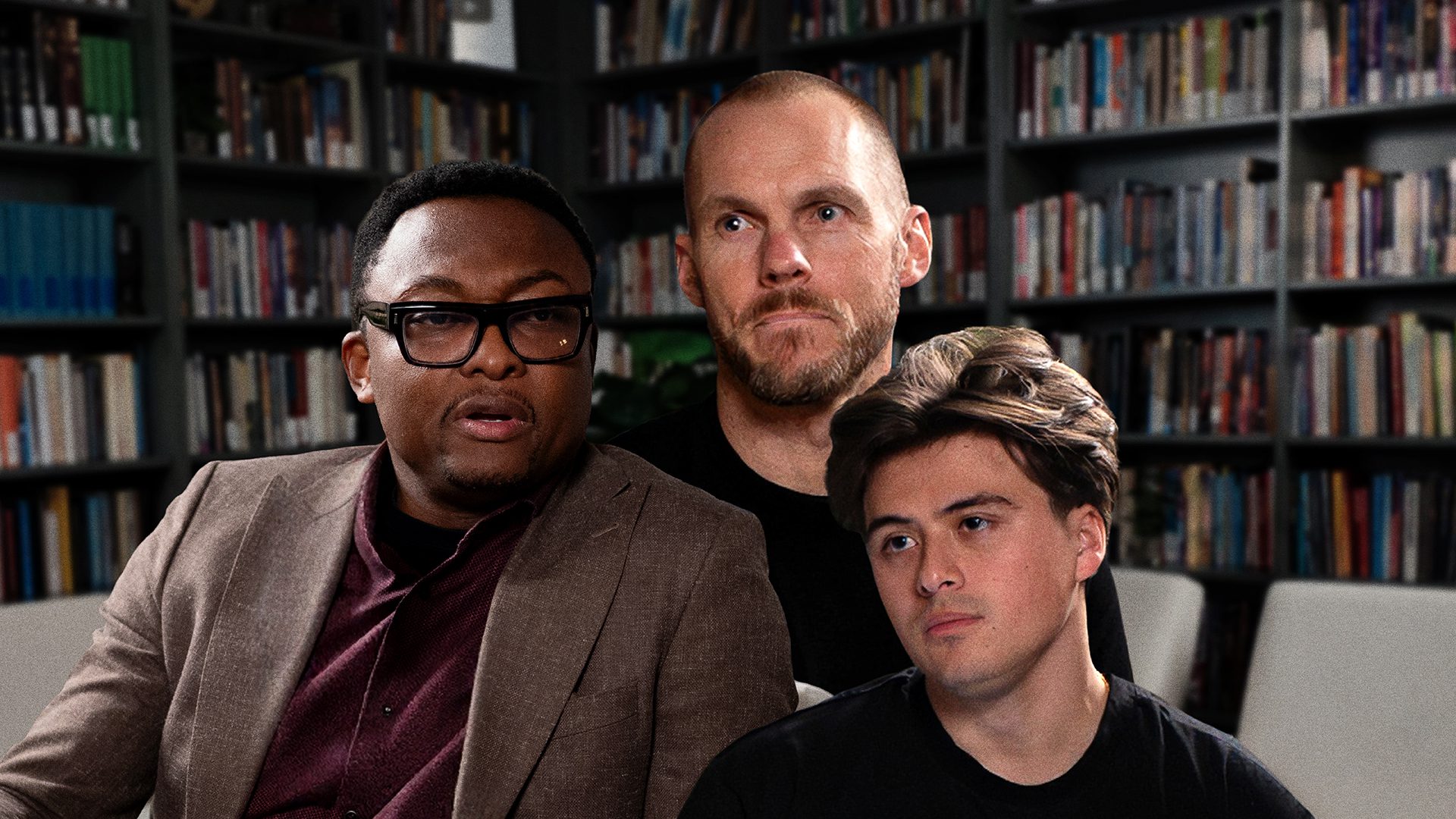
In this episode of Everyday Radical, David Platt and Austin Huang are joined by pastor Arllen Ade of Healing Africa Ministries for an honest and sobering conversation about persecution in Nigeria and beyond.
Drawing from firsthand experience and Scripture, they explore what believers are enduring, the hidden emotional and spiritual wounds persecution leaves behind, and why the global church must respond with more than sympathy.
The conversation challenges believers who live with relative freedom to think carefully about what true solidarity looks like. Standing with the persecuted church is not only about awareness or prayer—though both matter deeply—but about faithful identification with Jesus Himself.
As Christians in Nigeria and around the world continue to proclaim Christ under threat, their courage raises a serious question for the rest of the church: What does it look like to live openly and faithfully for Jesus where we are?
Rather than responding to persecution with distance or fear, this episode calls the church to deeper faithfulness—grounded in Scripture, marked by courage, and shaped by love. It reminds us that the persecuted church is not a separate body, but part of the same family, and that God calls His people everywhere to stand together in truth and hope.
In this episode:
- The realities of Christian persecution in Nigeria and worldwide
- The unseen emotional and spiritual costs of suffering
- What it truly means to stand with the persecuted church
Everyday Radical—honest conversations about living out the gospel with courage, clarity, and compassion. New episodes every Tuesday.
Austin Huang:
What does it mean to follow Jesus when it could cost you everything? Hey friends, I’m Austin Huang, and this is Everyday Radical. Today’s conversation is a bit heavier, but it’s one that we can’t afford to ignore. While many of us follow Jesus in places where faith is safe and comfortable, there are believers around the world, especially in Nigeria, who wake up each day knowing that their confession of Christ could cost them their lives. Churches are being burned, entire communities are living under constant threat, and tens of thousands of Christians have been killed simply for believing in the name of Jesus. I’m joined by David Platt and Dr. Arllen Ade to help us understand what’s really happening on the ground, why persecution isn’t an exception in the Christian life, but an expectation, and how the courage of our brothers and sisters should shape the way we pray, live, and stand with them. This isn’t a distant story. It’s our family. Let’s get into it.
Dr. Arllen Ade:
One thing that comes to mind regarding the work of serving the persecuted people is the dangers that accompany or come along with the ministers who come to minister to them. The dangers involved are related to travel dangers, especially when you’re traveling the Northern Nigeria roads. Like two of our colleagues just last week were traveling to that area and were abducted by the jihadists. And they stopped their car, they put big rocks on the roads. And from what our friends tell us, had the driver not been going on high speed, he would have been able to notice it ahead of time, stopped and maybe backed away. But because he was going really fast, he only noticed when it was late, but the rocks were there already. So when he realized what was going on, he tried to stop and tried to veer off and they came from the bushes and there were lots of them.
And they took over the car because they had a flat because in trying to go past the rocks, they lost a tire. So these people came upon them with machetes and guns and opened the doors by force, forcing them out and began to… They didn’t kill anybody but they used the machete. I don’t know if they meant the driver especially for attempting to escape, but they also used it on other passengers. Thankfully, a brother and sister, Dr. Hilda and a husband, who was a pastor, were not hurt with the machetes directly, but they were beaten badly as they forced them out of the car and they began to take his wife away with another group because they tried to separate them as much as possible. And he cried out and said, “That’s my wife. I’m going.” And they let him follow his wife and they said, “Okay.” So they took his wife and him, himself to a separate group now and seven of them guarded them all the way.
They would trek for about seven miles up into the forest and the mountains. And the road is called Lafia, Lafia Road in Middle Belt of Nigeria going toward Benue State. So that’s what happened. And they tied them hand and foot back to back each other. They wouldn’t let them even use the bathroom. So you had to use your bathroom on yourself. And they took their phones and they tried to scroll through Dr. Hilda’s phone, who happens to be Healing Africa Ministries Cameroon leader, who was traveling to Nigeria for another mission work. They tried to look through her phone, but because it had a password and they had tried using the password she gave them by doing misplacing it or something and it locked the phone. That became a big problem because they kept beating her, thinking she was trying to hide it until they gave up and said, “Okay, we think you…”
And they couldn’t speak English very well. So it was difficult for them to understand everything. My friends were saying, and that got them more frustrated. So the beatings with the sticks that they normally used to drive cattle and the machete, they didn’t cut her directly, but they tried to whip her with the machete on her face and she blocked it so it wounded her arm. And there are other things they did which are just horrific. But thank God, after two and a half days of being on the mountain, no food, only water, smelly water that came from the cattle somewhere that they could drink. See the green algae on it, everything. They had to drink, so they began to throw up. She was so sick. So it was terrible, terrible experience. They took everything from them, everything, that’s what they said. Except their passports, they could not. Somehow the Lord just protected them and kept the passports safe.
So they were able to leave from there after the ransoms were paid. They called Cameroon, money was paid from four to 10 million, which is not too big of an amount here in US dollars, but it was really something that we thank God they did not kill them. Often they’ll take the ransom and you only come to pick up your people, but they’ll be the dead bodies of your loved ones. So Dr. Hilda and our husband are back home in Cameroon safely because they had their passports to go back home through Abuja. They went back, the authorities kept them in hospital for checks in Abuja for three days and they tried to convince them to go back with them to Lafia, to do the investigations, but it was too traumatic for them.
The hospital staff said, “It’s not wise. They’re already shaking. They’re just so disoriented right now. Let them go back to their country.” So that’s what happened. They flew back to Cameroon, went to the hospital again, feeling better, but they’ve not been able to go out of their house since. They can hardly sleep because of the nightmares because they thought they were going to get killed. They knew it was the end of their lives as it’s been with many other missionaries.
David Platt:
Wow. So a little context behind that story. Arllen and I have known each other for, I guess, eight years ever since I came up to Metro DC, have had the privilege of serving alongside each other in the church and God’s grace in this brother and his family just dripping with God’s grace. I just want to honor you and your wife and your children and God’s grace in your lives and your ministry, which has led to Healing Africa Ministries. So I’d love maybe for, as we think about the persecution of the church, specifically in Nigeria, the Lord clearly put on your heart to be more involved in serving the church there. How’d that come about? Why did that come about? Yeah, you’re from Cameroon. So yeah, just give us a little glimpse into how you have become involved, so closely involved with the persecuted church there.
Dr. Arllen Ade:
Yeah, thank you. We give God the glory for this call. It was very difficult when I first accepted this call. My wife had to tell me to seek legal advice to make sure we had my last will and testament officially written somewhere just in case something went wrong with me. So thank God for that courage that he gave us. But he’s used people, brothers and sisters to get us to this place, which I’d like to acknowledge at this point. And you’ve not told me to say this or anything like that, but I remember I was already doing this kind of work in Africa, but it was mostly in the area of just caring for the traumatized people using the Bible. So my degree is in clinical counseling, but my calling is to bring the word of God.
So I have to always make sure that people know that psychology has a good way of describing problems, but it’s only the Bible that can prescribe lasting solutions for hard change. And by the grace of God, I had been doing that kind of work in Africa, in Uganda, in Cameroon until 2019 when we began to sense that we might be going in the direction of the persecuted when I met a certain pastor who had come from Nigeria to visit our church. And by 2020, I think end of 2020, you, Pastor David, and Pastor Mike was speaking from the stage one day and talked about the importance of everyone in the church, including those on staff to consider short-term, midterm, and long-term missions to the unreached people groups of the world and to the persecuted church. And I felt it wasn’t for me at first until I went praying.
January 2021 in the midst of COVID, my dad was dying in hospital, my brother-in-law was dying. We lost four family members that year to COVID, close family members. And yet the Lord I felt was speaking in my heart that I needed to take trauma-informed biblical counseling to the persecuted church of Northern Nigeria. And how I knew Northern Nigeria specifically was because we prayed that there I felt the Lord was leading and speaking through his word to me that morning. I was upstairs, came downstairs to see my wife and kids and said, “I feel the Lord is saying, ‘Nigeria.'” And they said, my wife, especially, Winnie, godly woman, I love Winnie, Winnie said, “Let’s pray again. Let’s be sure.” So we prayed and said, “Lord, if it’s you, would you confirm this? Would you show us something? Help us.” We had a very good situation here at McLean Bible Church as original pastor.
It was really good and we thought we were serving the Lord already, which was the truth. We were serving the Lord, but this time around the new assignment needed for us to be courageous and daring and it needed us to be as a family united on this purpose. And for that to happen, we needed confirmation from the Lord in his special way to all of us. And God did it. We held hands and prayed. And within 12 hours, that’s when this man, Reverend Daniel, reached out from Nigeria telling me by email saying, “I’m a pastor who oversees 232 churches because many of the pastors and leaders of Borno State had left the area because of Boko Haram’s presence, churches are being burnt down, people being killed.”
He said, “I’ve done too many mass burials. I’m so traumatized myself now.” And so that man wrote to me saying, “I need help. I’m in a medical institute right now, a central called Quintessential Medical Center and going through mental health care from a psychiatrist. I don’t know what to do. I’m not feeling any better. Can you help me?” So we felt that was a confirmation from him 12 hours after we prayed, calling us to come to Nigeria. And so that’s how we embraced the mission to going to the northern parts of Nigeria, central, Middle Belt and northern parts of Nigeria to care for the persecuted people, especially the mental health of the people who have seen horrific things happen to their loved ones and they’re just distraught mentally.
And it just felt like not many ministries were focused on the mental wellness of the persecuted brothers who had seen horrendous tragic killings of church members, family members, the burning of their churches, the losing of their property. And so the Lord, we felt it was a real good niche for us to specialize on giving my training in biblical counseling and clinical counseling.
Austin Huang:
Yeah. Arllen, so what is actually happening to the persecuted church in Nigeria? What’s happening? Can you just give us a snapshot of what life is like for Christians who live in Nigeria right now?
Dr. Arllen Ade:
Yeah. Given that it’s a very common topic right now being talked about, the different opinions, perspectives as to what’s happening to the church as opposed to what’s happening to Northern Nigerians in general, I want to be clear that I’m speaking about the church as I know it for the five years I’ve been working with them since 2021. I believe based on what I’ve seen, the church happens to be in the crossfires of individuals who sometimes are not intending necessarily to hurt the name of Christ directly. However, when they find Christians, especially if they’re Christians and Muslims in a setting, they tend to favor Muslims and treat Christians badly and they kill them.
A quick example of that was a situation where a certain pastor came, she said she’s a minister of the gospel, but she’s a female. And so she came, she told us her story of having been serving in a community that was predominantly Muslim and a group of extremists came and they were isolating Christians for murder, to kill them. And they knocked on her door and she could not escape. And when they pulled her out, they were about to execute her. This lady’s based in Plateau State. I don’t want to call her name here, but she explains that the moment they pulled her out for execution, one of the guys saw her and said, “Are you not Mrs. So-so-and-so? The lady who used to operate the food bank and you give food to both Muslims and Christians?”
Austin Huang:
Wow.
Dr. Arllen Ade:
And she said, “Yes.” And he told his friends there and then he said, “We cannot kill her and her sons.” Today they left the place, I think it was Borno State, then back in Plateau State. The idea is sometimes they may not come after the Christians, but when it has to do with separating Christians and Muslims, they often kill the Christians. They prefer them or they leave them if they have some favor, if they find favor with them. So generally speaking, it is extremists who come out to try to propagate Islamism in a sense to push it forward. And in some cases, because they find resistance from the Christians who would not recant their faith, they hurt them. They seize their property sometimes. They burn down their churches and sometimes again, they kill them.
There are other situations that we see where the Fulanis are just moving around with their cattle and they’re trying to have them graze freely without any obstruction from the Christian who often are the ones who own this farmlands like they did for a leader about three months ago, a leader in Nigeria, they came to his farmland, he had potatoes planted and they came in, stampeded the place, ate his crops. He had to hide. He cannot even own up to say, “This is my crops,” or question them because when they come back for you, they come back for you and your community. If you oppose them, especially if you’re a Christian, they kill you. So that’s what we’ve experienced so far. And I don’t know the whole history of it, but I do know that Christians have suffered significantly more than Muslims based on the reports I’ve gotten, but others may disagree. That’s what we see in the field.
David Platt:
And you mentioned Reverend Daniel who I’ve had the opportunity to sit the table with and spend time with. I remember one day when you and I and Reverend Daniel were meeting together and he just immediately showed me this video from like the week before of extremists, they had captured these Christians and were saying on the video, “Listen, we’re going to tell everybody.” I’m trying to remember the way they put it, but it was basically, “If you keep following Jesus, this is what’s going to happen to you.” And so they had them all on their knees and then killed them. It was just a horrifying video, but that’s not… Is that uncommon?
Dr. Arllen Ade:
Oh, I have fresh ones just from last week. The slaughter, they lined them up and they hold their heads up and it’s terrible even to describe it. Yes, with the sword on their necks and they slaughtered all of them. There are others, they make you dig your grave. So they dig this massive hole on the ground, Christians who dig it, 10, 15, 20 of them, they’re standing right in the graves that they’ve spent hours digging and they shot. So I have the videos. It continues to happen. It’s ongoing killing of Christians, no doubt about it. And yes, I mean, on our team, we have one teacher, I won’t mention her name here, but they came in right there, met her father in the living room and her brother, her mother and her hid under a mattress in the bedroom and they shot them. They just killed them there.
And the sister is dealing with that right now. She works on our team, healing, going through a healing process by God’s word and God’s people through God’s Spirit. And the grieving continues for all of us because we see our friends suffer great losses and we come in with the word which is sufficient, but it takes time sometimes by speaking truth and love to them, grieving with those who are grieving and rejoicing with those who have escaped from near death experiences. It’s just a mixed bag of things, but the church is suffering.
Austin Huang:
Just so people can get a weight of the issue at hand, about how many Christians have been killed so far?
Dr. Arllen Ade:
And if I can get my numbers straight right now, I know the last time I checked, as far as the churches, there’s over 19,000 churches that have been burnt for about a decade or so now, but you have about 6,000 Christians who’ve been killed the past three or four years in that area alone in Middle Belt and Northeast of Nigeria. So you have thousands of Christians being killed every year on a daily basis. If I showed you my phone, I delete some of them, it’s too terrible to look at. So it’s becoming normal. Sometimes you don’t know again the difference between those who are being killed just because these are people that want to take over your property or those who are being killed because you are a Christian. So the numbers get mixed up, but we do know that often there are people who don’t profess Muhammad as their Messiah or as their prophet. Yes.
David Platt:
When I’ve heard you share with me just about being at conferences or gatherings that you all make happen for so many spouses whose spouses have died, so many children whose parents have died or parents who’ve seen children die. When you describe … How would you describe that trauma and how our brothers and sisters are doing, who do survive but have witnessed such horror? Yeah. How would you describe just… And maybe the best way I’d put it is, how can we pray for them?
Dr. Arllen Ade:
I think that really gets it. It touches what I think would be so necessary for people to hear because in just recounting the horrific stories, we don’t really maybe get to what I think sometimes will be most essential for them. Of course, they want us to feel sorry for them, but that’s not all. Truly, truly, they want us to stand with them in prayer and in some ways, like asking the Lord to soften our hearts, to lean in more and ask him, “What is it that I can do? Action. What can I do to bring some relief to the brothers and sisters?” Which is what we’re doing in a small way through our ministry. There are others who are doing some similar things and maybe in bigger ways, but one way I think we can be praying and acting that would bring some relief to them is we can be praying like I prayed by God’s grace that God, when you first made the announcement at church, is God speaking to you to go short term, midterm, or long term?
I asked the Lord and the Lord softened my heart. I’m shaking in my boots every time I’m going, preparing for a trip next, this April. I’m saying, “Lord.” Because a major leader of over… They lead about nine million people in that denomination reached out to my wife. They said, “We hope you are not coming this year. It’s too dangerous.” So you can pray for more soft hearts as we hear these scary stories, you can pray that your heart be softened and that you would be able to go if need be, apart from praying, but sometimes just really ask the Lord, “Lord, is there anything I can spare as far as resources that can go on my behalf?” Not like I wouldn’t be praying, I’ll be praying or prayerfully sending my support. There are ways to support these people. I mean, the things they’re asking me for right now, I cannot provide those things.
And I know for sure it’s going to be the great relief to them. For example, I have 20 students who are among the widows of the martyred Christians, but we care for 3,500 widows. We don’t care for them every day, but there are some we identified who are the poorest among them. So these poorest among the widows have 20 kids we identified and the kids with, some of them were sent out of school just about a month ago before December or so. And they were saying, “I have to send all the money for the tuition, the bags.” I said, “Just hold on. You don’t have to do it through our ministry, but look for ministries that offer these practical ways, not the ministries that may use it for other things because sometimes because of overhead, we know how it works.” They can be tempted to use a lot of it toward other things.
But for ministries that directly care for the people, there are no needs. We see the stories, we weep with them, we come into their homes, look for those ministries. And as you pray, think of God softening your heart to go. And if you cannot go in person, let your resources go somehow to the right kind of ministries.
David Platt:
I mean, obviously the text that’s coming to my mind is just scriptural admonition in Hebrews for us to remember our family and pray for them as if we were in prison with them. I think that, it was a horrifying video for Reverend Daniel to show me, us that day. And at the same time, it made me feel like I was there. Obviously not… Yeah, I just, I think, God, how do we pray for them? But I think that’s really helpful what you’re saying. And maybe go to them, certainly give to work because we’re in this with them. And the persecuted church needs to know they’re not alone, that they have a much bigger body of support around them.
Dr. Arllen Ade:
That’s right.
David Platt:
And man, it’s just in a fresh way, I’ve said this before, but I just want to say it right now. I’m so thankful for what you and your family are doing as part of that, as an extension of the global body of Christ to say, “You’re not alone,” to those brothers and sisters.
Yeah. So we’ve talked about the physical suffering, churches being burned. How would you describe their faith in the middle of it, just the state of the church in the fire right now? What are some ways that you would describe, and obviously that would affect how we pray for them as well?
Dr. Arllen Ade:
Yeah, I would say in Acts chapter four kind of way, when I think it was Peter and John who were brought before the leaders about, I think a blind man getting healed and due to what you would say, a persecution situation, the gospel spread, they got to proclaim Christ before the leaders. And I think that’s what we see with the people in Northern Nigeria. And their faith is getting stronger. It’s very weird. In a very biblical way, the more they’re persecuted, the more they’re determined to follow Jesus. There’s this particular reverend gentleman called Reverend Dachomo, he’s already out there on social media from the denomination that we work with is called Church of Christ in Nations. This gentleman has been very bold. He stood in the mass grave. That’s how he went viral.
Austin Huang:
I’ve seen-
Dr. Arllen Ade:
You’ve seen them? Yes. He’s with the denomination we work with.
Austin Huang:
Wow.
Dr. Arllen Ade:
And he cried out that this is unacceptable. So through that, others, leaders around the world, including the leader of our own country, heard about the plight of the persecuted and they also joined their voices. So I believe their faith is getting stronger and the gospel is spreading even though the persecutors, I think, would hope to have the other effect, right? It’s instead the reverse, God is causing other believers to see this videos of people like Reverend Dachomo and others, and they are strengthened, they’re encouraged, and they have gotten to hear back from other believers in the body of Christ around the globe now, because now it’s more commonplace to hear about the Northern Nigeria crisis than before. So I would say that as we pray for them, let’s ask the Lord to sustain them in this state of revival of sorts where they are now encouraged as more people are posting about their sufferings and pray that they will not give up.
I recently, I think last month we saw a video of a live attack of the church. So this was going on. They came in and they killed some of the people. They took the pastor and I think the associate pastor away and they stole the purses, you could see on the video, of the church members. Many people decried it and said, “What is the government doing? How can this be happening over and over?” So I think the church is encouraged. We need to keep praying for them to stay on the course, and on this course, and trust the Lord if he wills to deliver them from it. But sometimes he doesn’t deliver us like we know from these things. He delivers us by allowing us to be martyred for him. And if that’s the case and that’s what he’s chosen for them, let them also be strong, let’s pray that God will keep them strong in it, not running too much.
Sometimes we need to say, “I don’t qualify to say that because I’ve not been there with them, physically attacked yet.” But I would say if that’s God’s will for some of them, let’s ask the Lord to strengthen them, not to run away, but be strong in the midst of the persecution and keep moving forward because even the persecutors need the gospel need to hear about Jesus.
David Platt:
Yes.
Dr. Arllen Ade:
Yeah.
David Platt:
It’s one of the things I often pray for just, yes, God, do what you did in Acts nine with Paul with Jihadists, with people who are attacking Christians. Yeah.
Austin Huang:
I just think of what Jesus said that if the world hated me, then trust that it’s going to hate you. It’s hard and it’s sobering, I think, for many people who might be listening right now that those who live in the West in America, we don’t have to face that level of persecution. And this is a question for both of you, but was persecution always attached to being a Christian? Like in the early church, we keep referencing Acts like, is this something that we should all expect? And if that’s true, how do we unify with each other in a way that we stand, like you’re saying, that even if these weapons form against me, they will not prosper?
David Platt:
Well, I mean, the text that comes to my mind is 2 Timothy 3:12. “Everyone who wants to live a godly life in Christ Jesus will be persecuted.”
So, okay, well, that’s everyone and that’s will be, that’s a promise. So I think if we are actually following Jesus and making him known, then we should expect opposition in the world to following Jesus and making him known. And obviously, yes, that looks different in Washington DC than it does in Northern Nigeria right now. But for anybody listening to this wherever we live, if our desire is a carefree life free from opposition, then don’t follow Jesus. Don’t follow the one who was crucified by this world and the more we identify our lives with him, that’s going to happen.
On one hand, I don’t want to underestimate… Some people, I know people who’ve lost their jobs because of their faith or who may lose their jobs because of their faith right here who… Yeah. And even people can be killed for being Christians. I think about people in our… I was just talking with someone two nights ago who’s been disowned by their family because they became a follower of Jesus here. So that persecution’s around… But then there’s a whole nother level here, obviously, in Northern Nigeria and a lot of dynamics that are affecting that politically, ethnically, that speak into that. But all that to say, I think the thing I always come back to is the point of persecution is to silence witness.
It’s Acts 4. And so that’s what they’re praying. “Lord, consider their threats, enable your servants to speak your word with great boldness.” So it’s always to silence witness. And as long as you’re not professing you’re following Jesus or trying to share Jesus, then you can probably avoid most persecution. It’s actually when you speak. It’s why the word witness in Acts 1:8 is martýres. It’s from which we get martyr. It’s when you witness, when you speak about Jesus, then that’s when the cost comes. But that’s where… So the last thing I’ll say, and then Arllen shared much more along these lines, but that’s where if we’re not sharing the gospel, if we’re not speaking about Jesus, we’re actually identifying with persecutors more than the persecuted church because the persecutors are trying to silence the witness. Persecuted church is being persecuted because they’re proclaiming the gospel. So if we’re being quiet with the gospel, we’re actually identifying more with persecutors than we are with the persecuted.
One of the most faithful ways we can identify with our persecuted brothers and sisters around the world is by professing Jesus wherever we live, because that’s what they’re getting persecuted for. And we can join with them in that. We’re a family in that sense doing that together.
Dr. Arllen Ade:
It’s really good. I will just pick it up from there. One way we can identify with them is to just show them that, hey, the cause you’re fighting for, you’ve been killed for is universal. We are also suffering in some ways, maybe not as much as you, but take comfort in the fact that we are also holding down the fort this way for the great master and king who’s worthy of it all. I’ll share briefly about my own suffering a little bit, not as much as theirs.
David Platt:
I just want to click on that for a minute. That’s where I think, wow, how discouraging it would be for our persecuted brothers and sisters in Nigeria to look at brothers and sisters in Christ and America just soaking back and living comfortable lives, not sharing the gospel, not following Jesus when it’s… In whatever way it costs. That would be, I think this is worth our lives. Or is it worth our lives? So I think-
Dr. Arllen Ade:
It’s a question.
David Platt:
Yeah. Yeah. This is where we really can be family together, obviously in very different contexts with different costs, but we’re still pursuing Jesus with all our hearts and all our lives. And then your own life.
Dr. Arllen Ade:
Yes. So I noticed in doing this work by the grace of God, there’s some similarities on what had happened to me in the past. Maybe that’s also part of how God helped me to be motivated and willing to go. When I first believed, I got saved in a pretty safe place, safe country, Cameroon then, my country of origin, Cameroon, Central Africa. Parents were religious, nominal Christians, but they didn’t know much about this thing being born again. They thought of it as a cult, the name of a cult. So when I got saved and began sharing my faith as the one who led me to Christ taught me to do, they said I was not acting Presbyterian. Nothing against Presbyterians. I don’t remember Presbyterian background. But the Presbyterian circle or context I grew up in was a little bit more on the liberal side and very laid back.
They didn’t like this thing of one-on-one evangelism and so forth. So mom did not like that. She’s like, “Oh, you’ve not been trained probably. Why are you telling people about Jesus? What do you know about him?” I said, “He saved my soul, Ma.” She said, “No, we got you baptized as an infant. We, your parents, spiritually, we know what is good for you. This is not good for you.” And so I tried to pull back and I spent more time praying and reading the word of God and she said, “No, you’re wearing off my Bible.” It was a Good News, red Good News Bible that she had. And she said, “No, I want it, need it clean when I’m going to church.” And she used to keep it under her pillow. And I honor my mother. My mother got saved later, believed in the Lord, traveled with me in other places in the US before dying.
I would say that was the days of her nominal Christianity. She didn’t know any better. So she told me, she said, “No, don’t read the Bible too much. I want it to be not worn out, nice.” And then later she said, “You keep reading the Bible. Do you know you can go crazy reading the Bible too much?” Using other methods discouraged me. Okay?
And then it did not work. And she would say one time, “Can we go to a certain witch doctor who was supposed to protect the family from threats, spiritual threats from witches and all of that?” And I felt like, “No, I cannot go mom because I’m a believer.” I remember the day we were going up to that place. She had not told us where we were going at first. Later on in the middle of where she said, “This is where we’re going, Arllen. I know you’re asking so many questions. I didn’t want to tell you because I didn’t want you to spoil it.” I said, “Mom, I can’t do that except I’m going to go there to pray for the witch doctor for God’s protection over him.” She said, “No way. Go back home, pack your little things. You’re out of here.” So that’s how my persecution started.
She would not let me pray freely or read the word of God freely or evangelize freely. And when I said I needed to be baptized as a believer, she said, “Over my dead body.” She told the one who led me to Christ that, “I will kill you if you come close to my son.” So I got baptized secretively somewhere in a place called Donga River in Molyko, Buea in Cameroon. Thank God she got saved again later, but that was the kind of persecution I faced. Though it wasn’t as serious as what we see in Northern Nigeria, it was very tough for me at the time because I was just 14 years old, so very young. And so in some ways I identify. I feel like I can identify with those who are being persecuted. Though again, theirs is worse than mine was. And I think when I share my few stories with them when I travel, they’re happy.
“Oh, you hold on to the gospel.” And they want to know about my current situation. “What about now in the US? Do you share the gospel? Are you willing to be persecuted for this kind of thing?” And Reverend Daniel came once to the US and he told me one time, he said, “Can you just drop me off here?” In the middle of the road, nowhere. Somewhere in Northern Virginia, he said, “I want to go knock on these doors and start evangelizing.” HE said, “Why are you guys not evangelizing every day?” So yes, that’s a good way to fight with the persecuted, sharing the gospel that they share and I persecuted for it in Nigeria and also just letting them know that we value the Lord and the Great Commission. Hopefully, maybe not as much as you do, but to some extent we do. And the Lord, Lord, help us that we continue to hold onto the faith, even if we are persecuted.
Austin Huang:
I love that because this is what Hebrew says that we have a high priest who is able to sympathize with our weakness because he became like us. And so just the fact that you’re saying, even if my persecution isn’t the same degree, it’s not the same cost, just me standing in faith with you encourages you to keep going. And I just love that.
David Platt:
Yes. Yeah. I think there’s so much more we could talk about along these lines. And I don’t want it to be lost on us. I mean, you mentioned it in passing at one point, but you were talking about over the last 10 years, people are starting to learn a little bit more about this now, but it’s not like this is a new thing. This has been happening for many years and all the effects of that over many, many years. So we’ve talked about various things. Just when it comes to everyday person listening to this, okay, how does this affect my life today? Yeah, what’s your encouragement to the church here and to followers of Jesus here? And I say here, different people listen to this in different places of the world. So yeah, but the broader body of Christ, what’s your encouragement to us?
Dr. Arllen Ade:
When you say us, I want to make sure I’m the us too, because I am on this side trying to learn from our brothers who are persevering in real difficult situations. But a thought or two that comes to mind, which I’ve thought about in the past would be to first look a little bit, yes, see the suffering of the people as far as what’s obvious, as far as the attacks on the churches and on their person and their families and their livelihoods as far as the investments, but also look past that a little bit to be able to have a better, more comprehensive appreciation of the layers of suffering over the years. Think of it this way. A lot of those systems are led or governed by people who lean Muslim, who are, they may not be extremists in their views, at least not overtly, not publicly, but they’re mostly Muslims in the northern parts of the country of Nigeria who are the political leaders and they’ve been there for years and years.
And so they have a way of causing even the system to be biased against Christians as far as the kinds of jobs they can have. So beyond obvious beatings or arrests or killings or taking over their farmlands or burning down the churches, there’s this subtle side of it, discrimination against their children as far as the kinds of scholarships they can have to further their studies and their education, promotions at places of work just because they are Christian. Even just to get the name, it was just recently that we got approved in the nation of Nigeria, we were looking at the name change because we want to be more aligned with our work in the US and they don’t want words like gospel in it. “Wow. Change that.” Or they want some round table initiative instead of a gospel ministry as far as naming of your organization. So subtle things like those against Christians are many. So as one who’s maybe just watching or listening to this, think of the subtle ways that the enemy attacks Christians and maybe he’s attacking you in those subtle ways as well.
One, acknowledge those that you having raised your hand, maybe not literally, but saying, “I want to follow Jesus.” There’s an enemy who’s behind all of this and he comes against Christians in extreme ways and very subtle ways as well. So you think of the brothers and Jesus who have come through our extreme persecutions. Think of the subtle ways they’ve been persecuted as well and try to identify with them. Maybe you see discrimination at work because of your faith in the Lord, be encouraged that others are going through something similar and cry out to the Lord. Go back to him, the one for whom we live, move, and have our being. Jesus. And cry out to him for strength. Isaiah 40 type of way. Young men will grow weary. Yes, maybe you’re tired and weary right now and you feel like your strength is waning.
“They that wait on the Lord shall renew their strength.” Prayer is key, not just for them, but for yourself as you wait on the Lord, he renews your strength. He renews all of our strengths that way. None of us can take glory for being strong. He is the one by the power of his Spirit. As we stay in his word, as we cry out in our weaknesses. And when you fail, sometimes people deny their faith in subtle ways because they want to stay at work. They want to be able to get that privilege. Don’t give up. Go back to the high priests. I struggle in my own ways and I see that you see my struggle and you who are tempted in every way yet without saying. You understand as my high priest who has been here, you know that it’s hard.
I don’t justify my sin or my backsliding or my rejection of you. I cry out for strength. I believe it help my own belief. So listen, when you identify with them and with our own sufferings as believers who go through subtle persecution and subtle sufferings as well.
David Platt:
What a word, brother. Yeah, just to keep going with Hebrews, because I think about that hall of faith in Hebrews 11, including today, just to keep the line continuing, Nigerian brothers and sisters who’ve been burned or killed, slaughtered, surrounded by such a great cloud of witnesses, let’s throw off the sin that… Everything that hinders the sin that so easily entangles and let’s run with perseverance. The race marks out for us, let’s fix our eyes on Jesus, the author and perfector of our faith who for the joy se before him endured the cross, scorning in shame and sat down the right hand of the throne of God.
What a man. What a, yes, an encouragement from our brothers and sisters in Christ to keep pressing on in faith and then to say, “Okay, how can we be that kind of encouragement to them with our praying for them, with our giving to them?” Again, Healing African Ministries, I praise God for what you guys are doing to be on the front lines alongside them so that they know they’re not alone. And obviously where are we going to start this whole conversation with our brother and sister who lead the Cameroon inside of this ministry, being beaten in order to do that.
So can we pray? Can I ask you to pray just however the Spirit leads in light of all this for those who are listening right now, obviously for our brothers and sisters in Nigeria. Yeah. Grateful for you brother.
Dr. Arllen Ade:
Yeah. Thank God this is not me. It’s the doing of the Lord. It’s marvelous in our eyes.
David Platt:
Amen. Amen. Let’s pray.
Austin Huang:
Let’s pray.
Dr. Arllen Ade:
Our father, even as we call you Father, we know, we’re just filled with a sense of how great you are, a father of so many across the globe. So we are not the only ones who call you father, brothers and sisters, some in chains, some in darkness, some in poverty, abject poverty, some in fear for their lives such as the brothers and sisters who are being persecuted right now around the globe, and especially those in Northern Nigeria about whom we’ve been talking about. We come to you as our father. We thank you for where we are, being free, being able to freely talk about you.
And we ask you to also help them who are not free, help them who are in fear right now for their lives or help them who have been hurt because of the losses they have experienced. As they call you Father as well, Father, would you stretch your hand and just show them extra mercy. Your mercies are new every morning. We acknowledge how you’ve been helping them in ways that we don’t know about. We acknowledge how you’ve been providing for them, how you’ve been protecting them from worst things. Thank you, Father, that even the brothers that come to mind and sisters in Northern Nigeria, in Plateau State, especially Reverend Daniel and the team and other ministries who serve in that area, as they cry out to you in this season of Christmas, as many of them recall, even last Christmas or the things that happened in Mangu, in Mangu local government, I think last two Christmases, when over 200 Christians were massacred, where we were planning to do our outreach, we had to move.
Even as they remember what happened last two Christmases, I pray that you comfort their hearts in a special way this Christmas, you encourage them as they think of our Lord Jesus who came, the prince of peace, who came for that purpose, who came and that we may have life and have life in all its fullness, the one who breathed on his own and said, “Peace, I give to you not as this world gives, give it out to you.” I pray that in the midst of this, they would remember the peace that you brought, especially at this time of Christmas and be comforted. We are the God of all comfort who comforts us in our tribulation, that with the same comfort with which we have been comforted by God, we comfort others. Oh Lord, in Corinthians chapter one verse three and four talks about you being the comforter.
I pray that the comfort they’re receiving through the work we do and other ministries do, they would not keep it to themselves. They’ll pass it on to others and comfort would spread like wildfire-
Austin Huang:
Amen.
Dr. Arllen Ade:
… and the judges will be encouraged and strengthened. Lord, thank you again for the work with them. I pray for Dr. Hilda and her husband who were attacked recently. I pray that they would recover soon by your grace through your word and through the company of believers, speaking truth in love and by your Spirit they will be huge. Psalm 147, verse three, way, “He heals the broken hearted and binds up their wounds.” I pray that you mend their broken hearts. You bind up the wounds physical and mental and spiritual wounds they’ve experienced through this kidnapping of last week. I pray, Father, for those of us also who are on this side in the United States and abroad and other countries outside of Africa, that they too will be encouraged, that we will be encouraged as we have heard the stories we’ve heard, will not be discouraged, will not be afraid.
Remember that the spirit that you’ve given to us is a Spirit of boldness, of love, of the sound mind. If there’s anyone out there, Lord listening who has gone through maybe trauma of different sorts, I would pray for the Spirit of God to bring comfort to them and to restore their minds, Lord, that they will not be afraid, Lord. I pray, oh God, for restoration of the minds of brothers and sisters who’ve maybe gone through one suffering or another due to persecution or otherwise that you would restore, you would heal them, you’d encourage their hearts and you’d strengthen them to be able to either go in person or go through other means to support the church at the persecuted church of Northern Nigeria. Lord, we pray that you would continue to bless this ministry that does this kind of work, that more people would just Lord become more aware of the body of Christ as a whole and those who suffer, those who are in hiding, those who are in prison, in hospitals, those who are really, really in need of just basic necessities of life.
I pray that we would not be oblivious of what’s going on. Thank you for this ministry that does this kind of work to give you all the glory for the work we do. In Jesus then we’ve prayed. Amen.
David Platt:
Amen. Amen.
Austin Huang:
Thanks so much for joining us today on Everyday Radical. If this episode stirred your heart for Christ and his mission, our hope is that you would check out some of our previous episodes as well. And do not forget to subscribe so you don’t miss out on what’s ahead. Let’s keep making Jesus known everywhere together. See you next time.