


Day 1 – Afghanistan
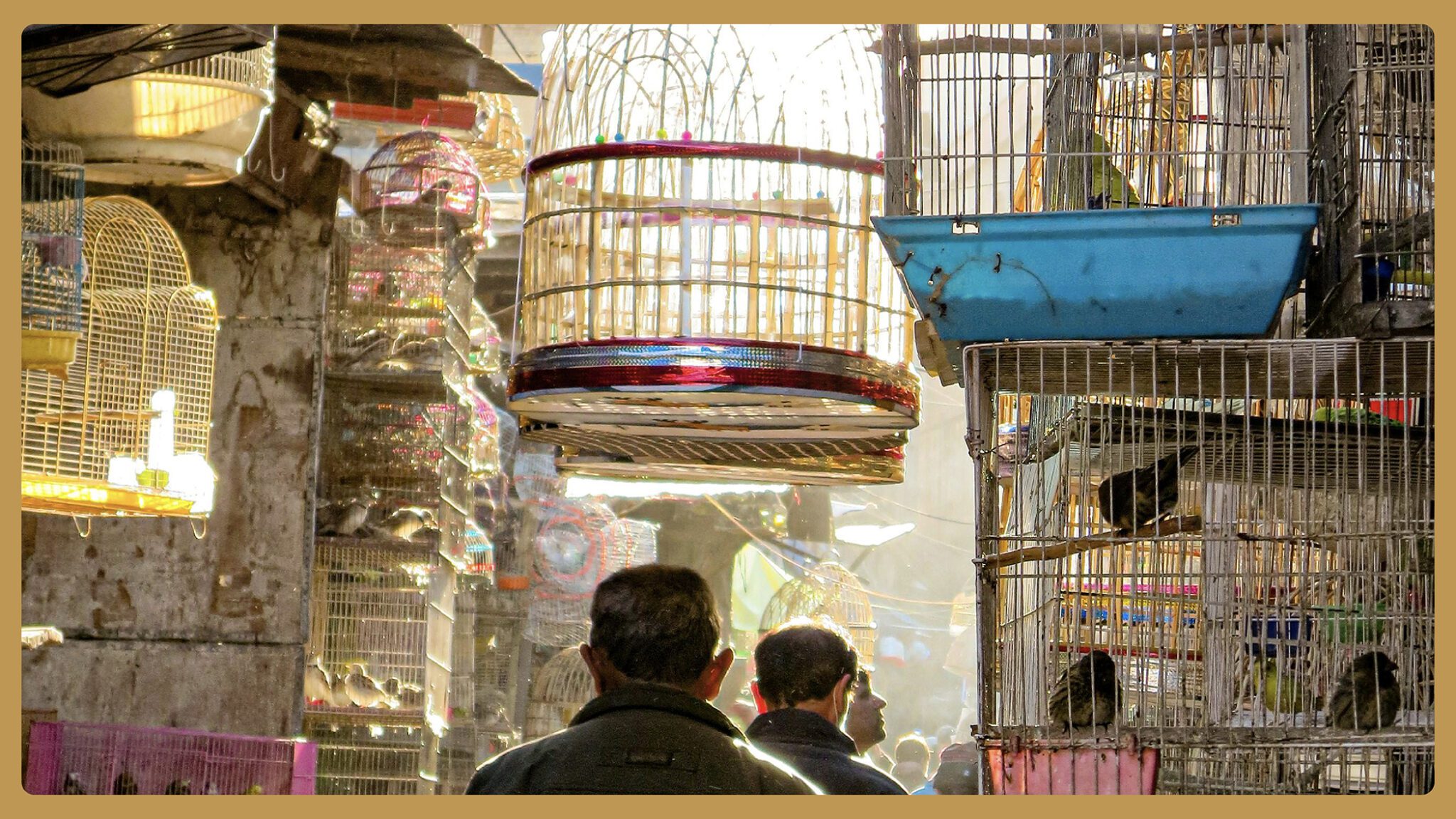

Believers in Afghanistan are worshiping in secret under Taliban rule, clinging to Christ as their refuge.
Watch Ramazan’s share his story and pray for courage, protection, and perseverance for the Afghan church.
When the Taliban regained control of Afghanistan in 2021, it happened with stunning speed. No one really knew what to expect. One Taliban spokesman even declared at the time, “There are no Christians left in Afghanistan.”
That was not true. There were believers—quiet, hidden, praying in the shadows. One of them was a man named Ramazan. He grew up as the son of an imam and a religious leader and was expected to become a leader himself. But he began asking questions—about suffering, about violence. When he voiced those doubts, his own father threatened him at gunpoint. His mother stepped between them, and that same night Ramazan ran away.
For years, Ramazan searched for answers in books, religion, and philosophy, but nothing satisfied him. Then one day, a stranger handed him a Bible. He read Jesus’ words about who he was, and it was as if something deep within him finally found rest.
When the Taliban returned to power, Ramazan’s name was already on record as a Christian. His family hid for thirty-six days, deleting Bibles and books from their phones and laptops, whispering prayers, and singing hymns in the dark. Ramazan told me that he cried, wrestled, and sang through his fears. And somehow, against all odds, God made a way for them to escape. Many believers did not. They are still there in Afghanistan—still worshiping alone, still doing so in secret.
Psalm 46 says, “God is our refuge and strength,” and you see that truth lived out in Afghanistan. Faith does not need perfect conditions. It needs Christ and the promise that he is always with his people.
Will you pray with me for the people of Afghanistan?