



Knowing and Praying for the Persecuted Church
Not long ago, I sat with a Nigerian church leader who showed me a chilling video I can’t forget.
Boko Haram militants stood over a small group of Christians, declaring that they intended to kill all Christians until they submitted to Islam. Then they beheaded our brothers and sisters in Christ.
Scenes like that remind me why we must pray and act for those who suffer for their faith.
As part of Radical, I’ve met Christians who have faced violence, social pressure, or jail for evangelism, church planting, or merely holding fast to their faith. And I also know that for many of us, their stories can feel distant, unrelatable, or overwhelming.
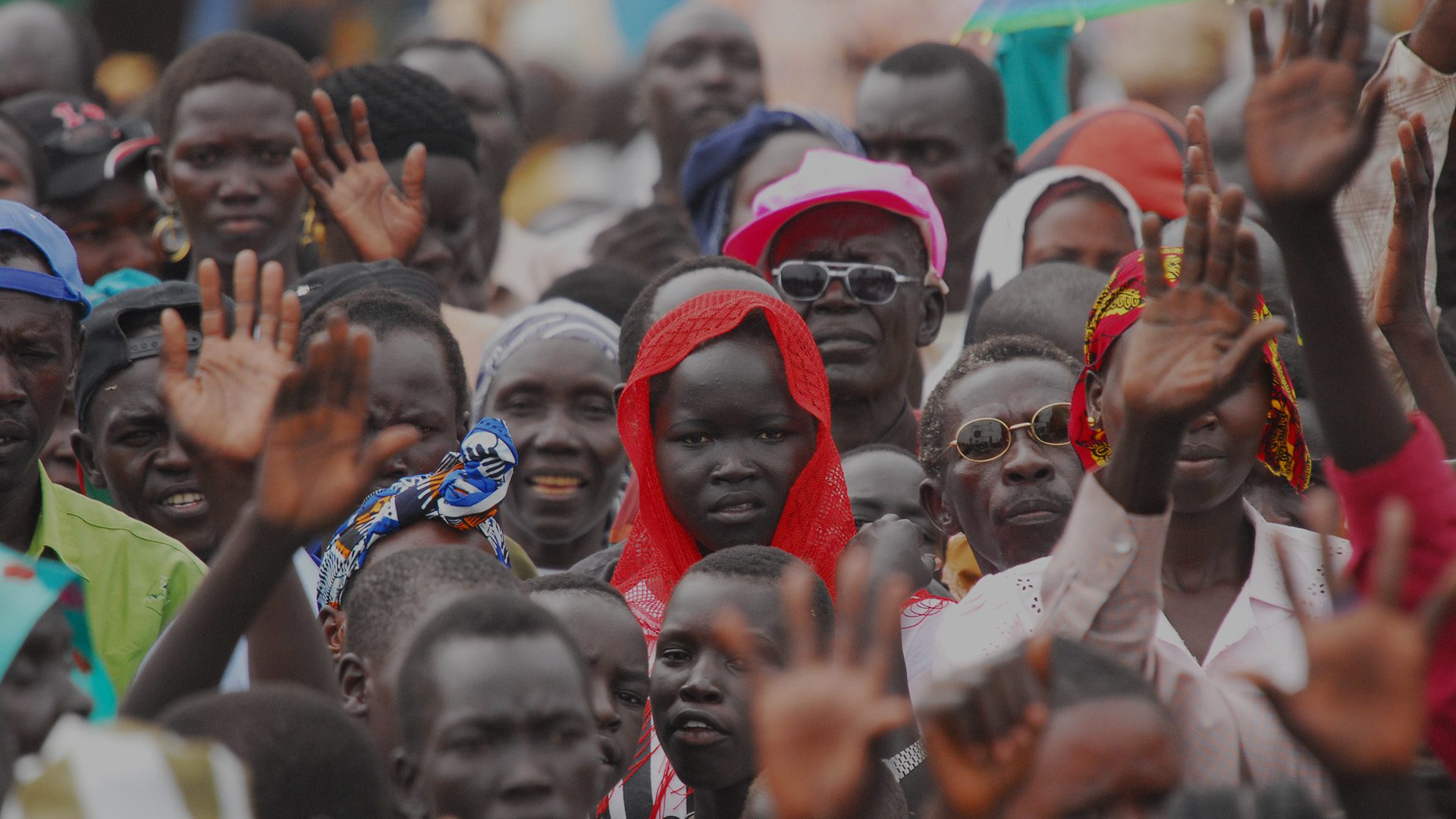
Many persecuted Christians live in countries we have never visited and places whose names we might struggle to pronounce. And in a world flooded with headlines of war and tragedy, it’s easy to grow numb to the cost of following Jesus for our church family around the world.
But God commands us to remember and pray for those who are persecuted as though we are physically with them (Heb. 13:3). That means we need to learn more about these brothers and sisters, and what it means for them to be persecuted.
Here are some things to keep in mind.
PERSECUTION IS BEING TARGETED FOR FOLLOWING JESUS.
Persecution means being harassed, opposed, or mistreated because you follow Jesus. In the Sermon on the Mount, Jesus used a word that literally means “pursued with hostility.”
He explained that persecution can take many forms—from ridicule, exclusion, and slander to arrest, imprisonment, or even death (Matt. 5:10–12; 10:16–33; Luke 6:22–23). To be persecuted is to be singled out for faith in Him.
At the same time, not every hardship is persecution.
Followers of Jesus experience all kinds of suffering in this fallen world, just as He said we would (John 16:33). Illness, loss, disappointment, or emotional pain are part of being human. Believers and unbelievers alike face those realities.
But persecution is different. It’s not feeling the effects of a fallen world—it’s targeted hostility. It happens when someone endures ridicule, exclusion, or harm because they follow Jesus. Understanding that difference matters.
PERSECUTION CAN HAPPEN ANYWHERE—AND CAN COME FROM ANYONE.
Many imagine our persecuted family meeting in secret because their government forbids faith, or because their family and neighbors would report them to the authorities.
And that’s true in many places. But persecution also happens in the open.
I just met with a pastor in West Africa whose church compound is regularly filled with over 500 worshipers. One day, militants suddenly attacked and began burning buildings, cars, and people. Public doesn’t mean safe.
PERSECUTION RANGES IN SEVERITY AND AIMS TO SILENCE WITNESS.
In places like Nigeria, militants have kidnapped, raped, and killed believers for decades. But persecution of the church is not always this severe.
A Christian entrepreneur in the Middle East may lose customers—or the legal right to run a business. A new believer in the Himalayas may be cut off from water or electricity. A church in Southeast Asia might pay extra (and sometimes exorbitant) fees to rent or own a building.
In freer nations, the cost is less severe but still real. A British Christian may be arrested for praying outside an abortion clinic; an American may lose a job for speaking on biblical sexuality.
Regardless of how severe persecution may be, from Acts to today, the goal is always the same—to silence the spread of Jesus’ name.
In many parts of the world, our brothers and sisters in Christ are fairly safe if they are no more than good people doing good works. But when they speak about Jesus, they suffer.
PERSECUTION IS A PROMISE FOR EVERY FOLLOWER OF JESUS.
“Everyone who wants to live a godly life in Christ Jesus will be persecuted” (2 Tim. 3:12).
Notice those words—persecution isn’t a ‘maybe’ for ‘some’ Christians.
The more we give our lives to following Jesus and making Him known in our neighborhoods and all nations, particularly in places where the gospel has not yet gone, the more we will experience persecution.
So if you are not experiencing persecution to some degree, it’s worth asking:
Am I professing and proclaiming faith in Jesus? Am I clearly and courageously identifying with Him, and am I calling others to repent and believe because their eternity hinges on their response to Him?
If the purpose of persecution is to silence witness, and we choose to silence ourselves, then we actually resemble persecutors more than the persecuted.
We cannot let that be true of us.
Let’s intercede for our brothers and sisters in North Korea, Somalia, Libya, Eritrea, Yemen, Nigeria, Pakistan, Sudan, Iran, Afghanistan, and many other places around the world—that they would remain steadfast to the end. And let’s live the same way: boldly and unashamedly proclaiming Jesus wherever we live and wherever He leads us, no matter the cost, knowing that He is our reward.


