
How Did the Gospel Get to Côte d’Ivoire?
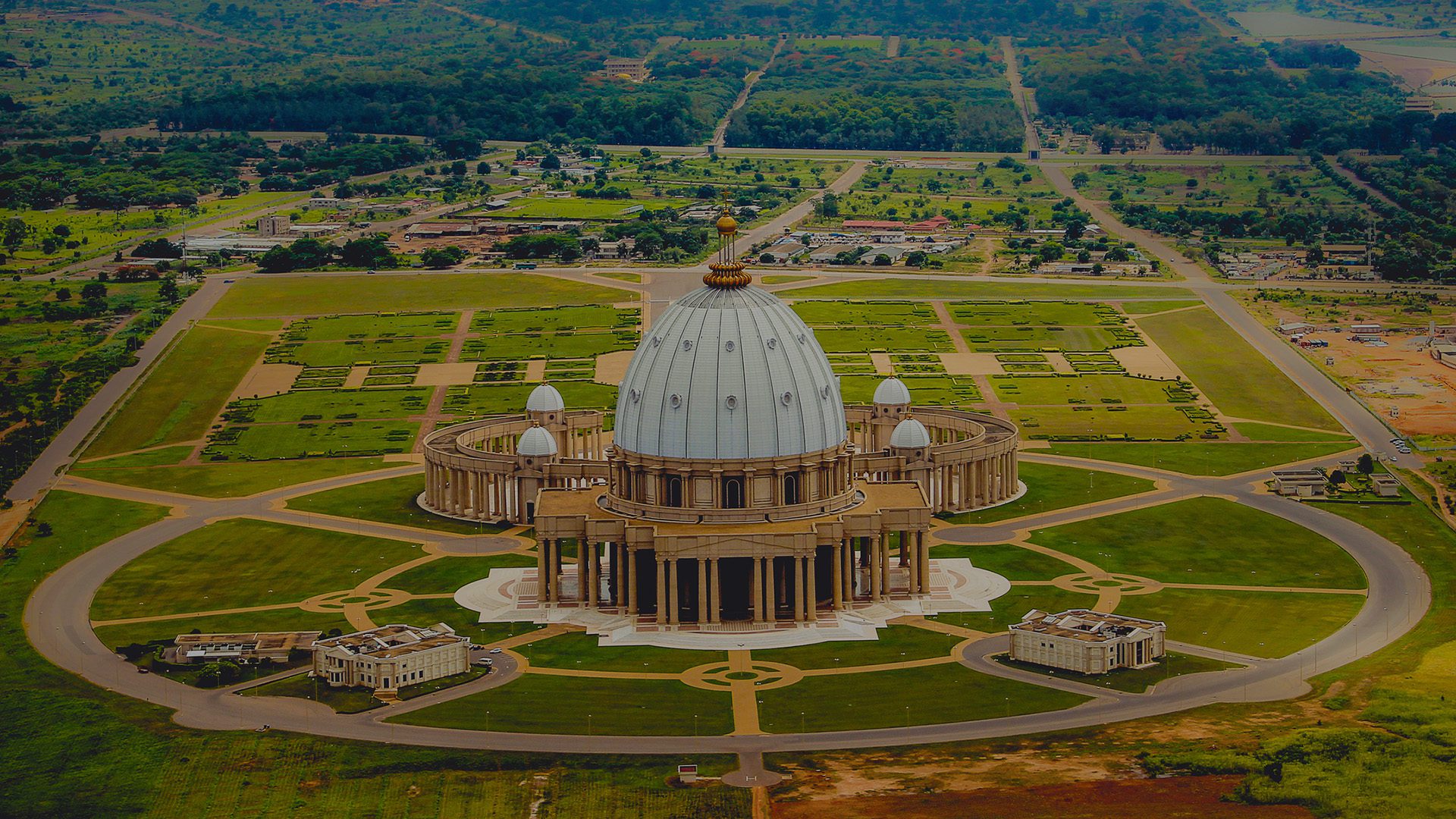
Out of a population of 26.9 million, approximately 10.7 million people in Côte d’Ivoire claim to be Christians. As we consider the Church today, we can gain insight by looking back in history to see how and when the gospel was first brought to Ivorians. So, how did Côte d’Ivoire get to this point?
HOW WAS THE GOSPEL BROUGHT TO CÔTE D’IVOIRE?
With a history of elephant poaching, early explorers named the African country Côte d’Ivoire, or Ivory Coast. A couple of centuries after explorers first landed in Côte d’Ivoire, foreign missionaries began to arrive in the 17th century. Under French colonization, numerous French Catholic missionaries arrived during the 18th century. These missionaries established churches, built schools, translated the Bible, and provided medical care.
In the 20th century, Protestant missionaries from the United States and Europe began to come to Côte d’Ivoire. They continued the work of Bible translation, raised and trained local church leaders, planted churches, and grew the gospel presence within the country.
WHAT DOES THE CHURCH LOOK LIKE TODAY?
Today, religion in Côte d’Ivoire is geographically split—a majority Muslim population in the north and a majority Christian population in the south. About 40% of the population identifies as Christian. Meanwhile, 43% of the population identifies as Muslim.
While Christianity and Islam are the predominant religions, there is also a significant presence of traditional African religions. Folk religion and animism are prevalent, particularly in the northern region. In the northern city of Korhogo, there are sacred forests where spirits, ancestors, and natural forces are believed to dwell. These sacred forests serve as sites for traditional rites and initiation ceremonies connected to ancestral beliefs.
As Christianity continues to grow in Côte d’Ivoire, the gospel faces the threat of syncretism. Many incorporate aspects of traditional African religions into Christianity. This can water down and change the truths of the gospel, leading to many nominal believers.
To help combat syncretism, Radical is partnering with a ministry training and commissioning church planters to be sent and plant healthy churches in remote and under-served areas in French-speaking West Africa, including Côte d’Ivoire. This project provides theological, pastoral, and church-planting training to help church leaders establish healthy churches and equip believers with firm, theological foundations.
HOW CAN YOU PRAY FOR THE CHURCH IN CÔTE D’IVOIRE?
With roughly half of the population identifying as Muslim, there is a great need for the gospel to be heard and to spread throughout the country. Pray for Christians to have bold witnesses and for gospel conversation opportunities to arise.
Also, with the presence of various religions, many have claimed Christianity while adding in beliefs from other religions. Pray for the gospel to be taught clearly and for believers to be equipped with sound theological truths.
In rural areas of Côte d’Ivoire, churches often lack trained pastors and financial resources, limiting evangelism and discipleship. Pray for rural church leaders to be trained and for God to provide resources, such as church buildings and theological material. Also, pray for Radical’s efforts to raise and train church planters to be fruitful.
While there is still work to be done, praise God for the growing gospel presence within Côte d’Ivoire.


