

Winning the War on Purity with John-Michael Bout

For nearly a decade, John-Michael Bout lived with a hidden addiction to pornography.
He had been exposed at eight years old, and as the struggle continued, he learned how to hide it—even while growing up in the church and helping lead his youth group. He wanted freedom, but trying to fight alone kept him trapped in the same cycle.
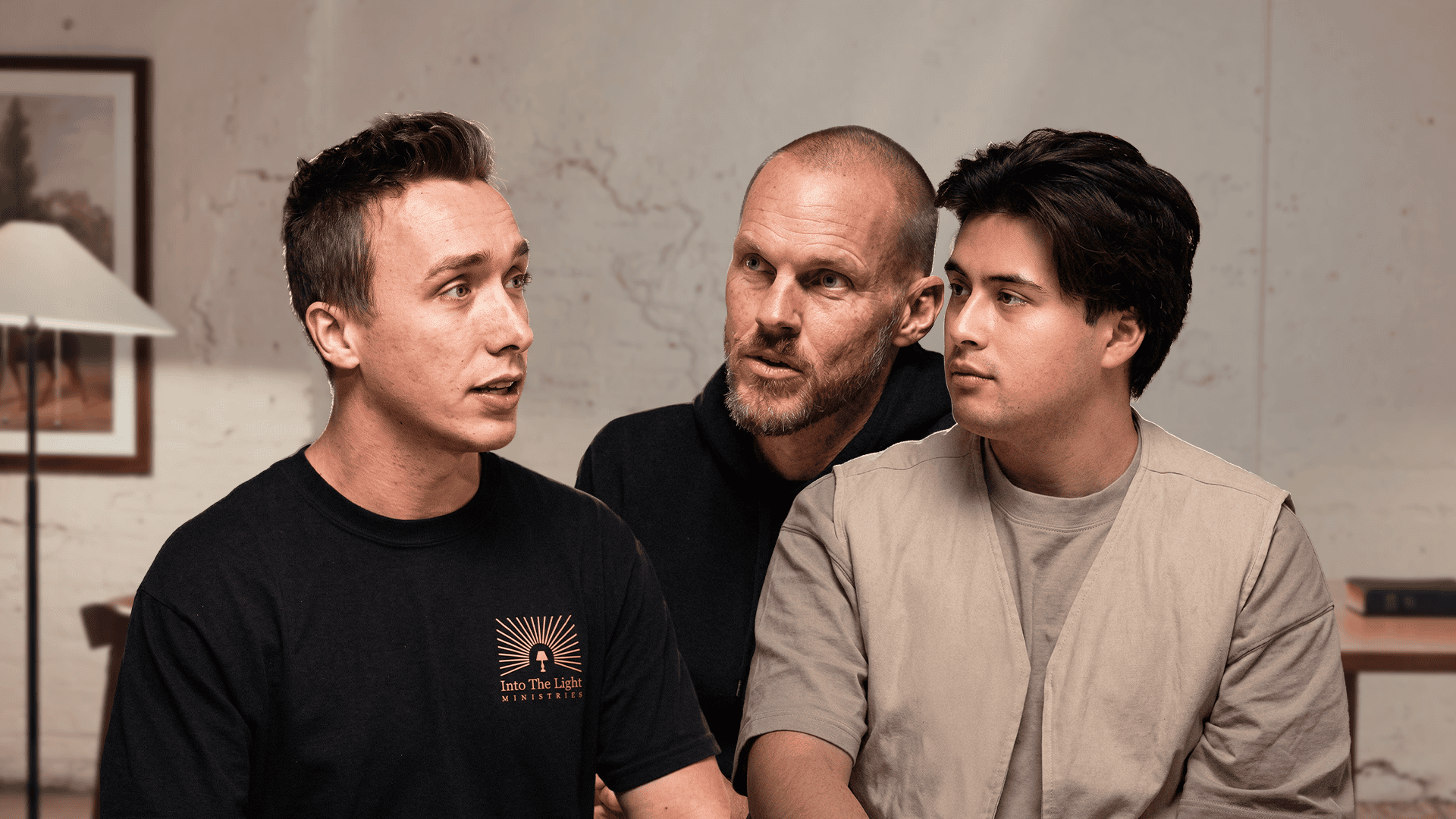
In this episode of Everyday Radical, David Platt and Austin Huang talk with John-Michael about what finally changed. He shares how confession, accountability, Christian community, and a deeper relationship with God became essential parts of his journey toward lasting freedom.
Together, they explore the lies that keep sexual sin hidden, why willpower alone is not enough, and the difference between guilt that leads us toward repentance and shame that tells us to keep hiding. They also discuss pornography’s connection to sexual exploitation and how Christians can respond with grace and truth when someone confesses a struggle.
The conversation also offers practical wisdom for parents. Rather than waiting until pornography becomes a problem, parents can prepare their children before exposure happens and build the kind of relationship where ongoing, honest conversations are possible.
For anyone who feels trapped in pornography, John-Michael offers a clear message of hope: freedom is possible in Christ, but you were never meant to fight alone.
Key Questions Discussed
- Is lasting freedom from pornography actually possible?
- Why do secrecy and shame keep us trapped in sexual sin?
- What does healthy confession and accountability look like?
- How can parents prepare their children before they encounter pornography?
In This Episode
- John-Michael’s journey from childhood exposure to nearly a decade of pornography addiction
- Why confession and Christian community were essential to finding freedom
- The lies pornography tells about pleasure, intimacy, and satisfaction
- How parents can create ongoing conversations about pornography with their children
How to Respond
- Bring hidden sexual sin into the light with trusted believers instead of trying to fight alone.
- Pursue more than behavior change by cultivating a deeper relationship with God.
- Respond to someone who confesses sexual sin with both biblical truth and grace.
- If you’re a parent, begin age-appropriate conversations before exposure happens rather than waiting for a crisis.
Everyday Radical—honest conversations about following Jesus with courage, clarity, and compassion in everyday life. New episodes every Tuesday.
Related Resources
John-Michael Bout:
75% of Christian men in the church and 40% of women in the church struggle with pornography in a regular way. And one in five pastors say they watch pornography in a regular way.
Austin Huang:
Wow.
John-Michael Bout:
So yeah. And then the average age of exposure to pornography is age eight.
David Platt:
Wow.
Austin Huang:
That’s high.
John-Michael Bout:
Yeah, that’s part of my own story. I grew up in a Christian home with parents who love the Lord, and I got exposed when I was eight years old.
David Platt:
Eight years old.
John-Michael Bout:
Yeah. So very, very young. And of course, sinful choice to jump into it, but yeah, I was just curious and it was just literally stumbling across it that led into nearly a decade long addiction to pornography. So that is the story of so many other guys I know and now increasingly women and girls in the church. So that’s why we got to talk to girls as well as guys.
David Platt:
Yes.
Austin Huang:
You can’t just leave them out. There’s more women in the world than there are men, right?
John-Michael Bout:
I think that’s true.
Austin Huang:
Statistically or something. But that’s something for me as well. I can relate to you on that, John-Michael. I grew up with the first iPhone basically. That was in middle school.
John-Michael Bout:
Yeah. Yep.
Austin Huang:
And yes, sometimes it’s a willful, sinful decision to go into it. And then sometimes nowadays, especially with TikTok and Instagram and feeds that you don’t follow these, you could swipe up and just, it’s right there. I’m just thinking of a kid I saw in the airport the other day on their iPad, just brain rot, just doomscrolling. And I’m just like, “What if something just pops up on their feed?”
John-Michael Bout:
Well, if you mistype certain kids’ shows, it will take you to a porn site. And that’s just because the industry’s trying to… It’s like DeWalt. DeWalt makes tools. They make kids versions that they sell at Toys R Us because they know if you get a kid sold from a young age, they’re more likely to buy when they’re older. So they’re applying those same marketing principles except to the most destructive, sinful, addicting thing of our age group.
David Platt:
So I’d love to hear more of your story.
John-Michael Bout:
Yeah.
David Platt:
So eight to 18, 10 years of addiction, but in a Christian family, in a church, when would you say you came to faith in Jesus, and how did all that fit together in your story?
John-Michael Bout:
Yeah. So I grew up in Niagara, Canada, in an amazing community with people who were talking about the gospel. I was hearing that from a young age. My parents are amazing believers, but they just didn’t know that they needed to talk to me at that young of an age. Most of my friends didn’t even have their parents talk to them ever, but my parents did. They just talked five years too late. From eight years old, I got exposed. And then as I got older and I got more technology, I also grew up with the iPhone just coming out. Then that addiction got worse and worse, and just got good at living the double lifestyle, involved at church. I was literally leading the youth group and in theological discussions, reading good Christian books, and then at the same time, feeding and fostering this addiction to pornography.
And that was showing up in other areas of my life where I’d fight with my family, just be selfish. Pornography trains you to be selfish. And then it teaches you that you can live one way over here and then another publicly. So yeah, just for almost a decade, I was more discipled by pornography than anything else.
David Platt:
But yeah, during all that time, you would say you were a follower of Jesus and yet with a real persistent struggle with hidden sin, secret sin.
John-Michael Bout:
Yeah. I’ve wrestled with like, oh, when did I exactly come to know the Lord? And there was seasons of wrestling and fighting against the sin, but the key thing is I never told anyone. So for over, it was just under a decade, I was in all those things, but I never let anyone into that area of my life. So I’d be confessing to the Lord. I was bringing it into light in that sense, but I was not bringing it into the light of community, into the church. I wasn’t confessing my sin to others and getting that accountability.
So when I was 18, to go into where the hope begins, I remember a dear friend of mine sitting down with me and one other friend. We’re in my parents’ garage, and they’re talking about a purity conference that they had been to and just how the Lord was working in their hearts, and they were confessing sin. And I remember the conviction of the Spirit thinking, “Man, if you don’t open up right now, if you don’t confess your sin, you never will, and you’re going to remain a hypocrite living this double lifestyle for the rest of your life.” So that was a very distinct kind of moment. And so yeah, by God’s grace, that was the first time I shared it with anyone. I told those friends, and instead of getting pushed away, I thought I was the only one. They were like, “Hey, that’s us too.” And so that gave me more confidence to then go confess to some other people.
And the two things that really helped me were good community, the community in the church, and then some good resources. And with those two helps over the period of two years, some accountability, I was able to put that sin to death and start to walk in holiness.
To be able to wake up with a clean conscience is so amazing.
David Platt:
And you would say, yes, that two-year process of, I mean, I don’t know the best way to put it, like a detox.
John-Michael Bout:
Yeah.
David Platt:
But a cleansing by God’s grace. Yeah, there’s freedom. That’s where I really want people to hear it. It’s possible to be free.
John-Michael Bout:
Oh, man. Yeah. My own story, but I know so many other guys too and girls that through that step of the first bringing it into the light, stopping let pornography be in the dark, feeding, fostering, but just stepping out, bringing it into the light that it can truly die. You really can be free from it.
David Platt:
Yes. Now you said into the light multiple times now. I want to make sure to jump in really earlier than later in this conversation to why you do what you do with Into the Light and tell… I want everybody who’s listening to this to know about the resources and what you guys are doing to help so many different people.
John-Michael Bout:
Yeah. So Into the Light Ministries is a thing that me and a good friend, Jacob Valk started together because of this problem that just about everybody we knew was struggling. And there’s good books out there, but so many people we know won’t pick those up. So we thought, let’s partner with the authors and speakers who have written these great books with whether it’s Garrett Kell or Al Mohler whoever, and let’s put them together into a film that people can just sit down and watch.
Austin Huang:
It’s so good.
John-Michael Bout:
Hour and a half long and walk through that change process from bondage and sin all the way over to freedom in Christ. What does that look like? And they’ll just give them some other resources so they can get help and ask someone to come alongside them. So yeah, as a ministry, we’re just trying to make tools that inspire and equip people to do that in the local church. Whether you’re not struggling to come alongside others or you are struggling to get help. So it’s all free.
David Platt:
Yeah. I love the way you described in your own life, it was community and resources.
John-Michael Bout:
Yeah.
David Platt:
And that’s what you guys are doing. You’re trying to create resources that serve churches such that, you correct me if I’m wrong, but somebody listening to this, if they’re just like, “Oh, I’ll get the resources, but I’m still going to keep it and figure this out on my own.” It’s not going to work.
John-Michael Bout:
Yeah, it doesn’t work.
David Platt:
You’ve got to have both community and resources. Obviously, the gospel at the center of that.
John-Michael Bout:
Yeah. I think the devil’s main tactic is to keep sin murky and all the biblical language, why we called our ministry Into the Light, and I keep using that. It’s just the biblical idea of Jesus saying, “I am the light of the world.” He comes after me, we will not walk in darkness, but will have the light of life. Or Galatians 6:1-2, that if anyone’s caught in a transgression, you who are spiritual should restore him in a spirit of gentleness and be careful, lest you too be tempted.
So there’s this idea of the light of Christ, we confess our sin, but the way that shows up and the way we find freedom and help is by confessing to others, other Christians. So the solo Christian is not a biblical category. If you want to get help, you’ve got to do it in the church and good community.
Austin Huang:
That’s so good. I think it’s in James where it’s like you confess your sins to another, and the prayer of a righteous person is powerful and effective.
John-Michael Bout:
Yeah, James 5.
Austin Huang:
And I just think of my time coming to, so I mentioned this before on the podcast, but I grew up in the church and I really didn’t start caring about my faith until college. But even in college, I was still addicted to pornography. And it wasn’t until I had people around me in accountability helping me get free from that, that I really understood the weight of hidden sin, dark sin. And so I guess my big question to you is what are some of the lies that those people who are still stuck in that sin are believing? Maybe it’s about the brokenness and their sexuality. Could you dive into that a little bit?
John-Michael Bout:
Yeah. A few things combined. One would be, I think the most common one is I can do this on my own. I’m going to stop this time. This is the last time. And yeah, I think the devil uses that and the biblical category would be self-reliance. That’s trusting in your own strength and not leaning on the Lord and you’re leaning on your own understanding, not on Christ. And so lie number one would definitely be, I can do this on my own if I just try harder this time. And I think another one would be, I can’t change. We’ve already talked about this a little bit, that this is so defined who I am that there’s no hope for me. And those people in that situation, if you’re listening right now and that’s you, I want to actually just invite you to the gospel because the gospel is for people who think they’re too far gone and no one is. And this is not a sin that disqualifies you from being able to come to Jesus.
I think a third lie, there’s probably lots, but these are probably the top three in my mind, is that we can have a bit of freedom, but that I don’t know if I need to get totally free. Everybody struggles with this. So is it really a big deal? I remember a good friend of mine, his younger sister was going out with a guy and so he as a good older brother, checks him out on Instagram, just trying to get to know who this is and sees the kind of pages this guy’s following as very provocative, basically porn sites. And so he goes to his sister and says, “Hey, this is not a guy you should be going out with. This is not a godly man.” And she said, “All the guys in my class are watching pornography. Who really cares?” And that’s in a Christian school.
So I think there’s a deeply belief like this is just so prevalent. It’s not that big a deal. I’m not going to be able to find a husband or I can’t find a wife that’s not struggling with this anyway, so it’s okay. And I would just say to you that that’s playing with serious, serious sin that Paul says will kill you. Those sorts of things describe those who are not regenerate yet. So don’t live in your sin, bring it out.
David Platt:
Man, as you’re sharing those lies, I’m just thinking about the field day that the devil, the deceiver of the whole world, just the evil, sinful delight he must feel just getting people to think, “Yep, this is just the way we are. I’m stuck this way. Everybody else is this way. It just is what it is.” All of that. And I know there’s people, many who will listen to this or listening to this right now who are Christians who know the gospel, but who have maybe would you say are struggling to believe the power of the gospel right now because they’re believing that lie.
John-Michael Bout:
Yeah.
David Platt:
And so it really is a coming back to, “No, no, no, no. You are a new creation. You have a Holy Spirit inside of you that has power over sin and you can be free. The power of the gospel can save you from this.”
John-Michael Bout:
That’s right.
David Platt:
And yeah.
Austin Huang:
And if I could jump off of what you just said and on top of what you said, I think another lie that we believe is that, and this is not a lie that I don’t think anyone would say out loud, but with porn comes pleasure. That’s why people do it. I think in our selfish, fleshly, I would use the word stupid brains, we think that the devil actually wants us to have pleasure. We think, in porn, that the devil wants us to enjoy this. The devil doesn’t want us to enjoy anything. He just wants us to become more and more and more separated from God. So I think that’s something that I believe that, “Oh, I enjoy this, so it’s okay.” But the devil doesn’t want you to enjoy it.
I hope that brings some sort of freedom to somebody hearing this right now. The devil doesn’t care about you enjoying this pleasure. He gets pleasure from the fact that it’s drawing you away from God. I just know from this feeling that you get when you’re bogged down by these lustful desires, it’s like you have to question yourself and say, “Do I actually want this right now? These thoughts that happened to me, maybe I’m in public, is that really me or is this something that’s mastering me?” I think the devil loves to trick us into believing that we’re free willing choosing these things for ourselves when in fact our flesh is trapping us into this detriment of the devil trying to take us away from God.
John-Michael Bout:
Yeah. Well, I think that’s like what you’re saying, sin, I think really all sin is right things, but in the wrong time and in the wrong way, like the Garden of Eden, Adam and Eve taking in the wrong time and in the wrong way. I think pornography, it’s taking pleasure, it’s taking intimacy and inserting it in immediacy with no relationship, with no accountability. And intimacy and pleasure are actually a good thing like to what you’re saying.
Austin Huang:
Yeah.
John-Michael Bout:
God designed, God made marriage; He made the orgasm. He’s made all these things to be enjoyed, as 1 Timothy 6 says, but with Thanksgiving and prayer, they’re to be enjoyed in the right way and in the right context, which is marriage, covenant union of one man, one woman. So the devil’s actually anti-pleasure.
David Platt:
Yeah, exactly.
Austin Huang:
Yeah.
John-Michael Bout:
He’s selling you something that tastes good at first, like candy, but then gives you a sore stomach. It’s bad for you in the long term.
David Platt:
Yeah. It’s so interesting that you mentioned 1 Timothy. Well, one, I was thinking as you were sharing, Austin, it is Romans 6 and 7, we’re slaves to sin. It’s not that we’re free, living out freedom by indulging in whatever in this world, including pornography. It’s, oh, we’re slaves. But Jesus came to set us free, to set us free to not be mastered by anything but our Creator, who loves us. But then you just mentioned 1 Timothy, and it’s so interesting you said that because I was thinking about it and you mentioned it because we were having a conversation about that same… Well, the passage in 1 Timothy 4, talking about the marriage bed. But then we were talking about it with somebody else on the podcast about exercise. It’s all the good gifts from God that can be twisted and perverted by the adversary to become deadly for us, but they’re good gifts when they are received with thanksgiving, made holy by the Word of God and prayer.
And it really does come back to also being conquered by a superior desire is when we come back to this over and over and over again. Halfhearted creatures fooling about with drink and sex and ambition and porn, because we cannot imagine what’s meant by this offer of a holiday at the sea. We’re far too easily pleased. So there really is. So how does that play into it, John-Michael? Just like intimacy with God, walking with God in his Word and finding superior delight in God as a way to fight these desires for this world.
John-Michael Bout:
Yeah.
David Platt:
Yeah.
John-Michael Bout:
Oh, man. I think this is kind of the core of you want to find freedom, you want to change, you need new affections. How do you do that? So there’s an initial put off that has to happen. So, wisely cutting off access. There’s all sorts of great tools that you can use to do that. But that’s really just putting a fence. You can be just as addicted to pornography, even if you’re not watching it inside a fence. It’s like the alcohol coming out of the program and then immediately going back to the bar, and you didn’t really change, even if you haven’t drunk in several months.
So my fear sometimes with accountability is that we’re focusing a lot on the put off and not on the put on. And what you’re saying is we need a new affection. And I think another biblical category on this is the fear of the Lord. The more our understanding of the presence of God grows, I just know this in my own life, the more I’m living remembering the Lord is with me right now. If I remember that, the desire and the temptation for pornography hugely decrease because I’ve got the Spirit of God in me. I want to please the Lord. But so often, I think God is so small because our relationship with him is so small and our view and our understanding of him is so small that it feels like a little thing to offend him.
Austin Huang:
That’s a good word.
John-Michael Bout:
And so my just practical encouragement to a listener would be, be in the Bible, know it, love it yourself, read good Christian books and try to grow in the fear of the Lord. Michael Reeves has this great book, Rejoice and Tremble. That was so helpful for me. That’s a good short one for people if you’re listening.
David Platt:
That’s good.
John-Michael Bout:
Rejoice and Tremble by Michael Reeves. Great book.
David Platt:
That’s good. So I love what you’re saying. What I’m hearing you say is there are super practical things you need to do to put the fence around, have accountability and know God and dive into good, whether it’s whatever resources that are going to give you a higher view of God and intimacy with God or what this sounds like. It really is both and. I’m curious to know… Oh, there’s a variety of things that are coming to my mind. Well, I’ll ask this one first. In your journey of that two-year process, anything else that was particularly helpful along the way that we’ve not hit on yet? And maybe not, but I want to make sure that journey, that was people in the body of Christ walking alongside you. What were the things that were happening during that two years that brought you that freedom?
John-Michael Bout:
A couple would be an angle of accountability. I think sometimes when they hear that, they either hear a bunch of friends who all struggle that get together and it’s like, “Hey, I failed too.” And that’s a form of accountability that’s not very effective. Sometimes people also think of accountability that’s like me plus an older guy, and that’s good. Something that was really helpful for me was just friendship with other brothers and being honest with this.
Some of my closest friends today are still the guys, even though I’ve moved away from that town where I grew up in, that I was fighting this sin with. And it’s a way to go deep into community. So I’d say ask an older brother who’s not struggling, an older sister if you’re a sister, who’s not struggling to go through a resource, whether it’s Pure in Heart by Garrett Kell or Into the Light documentary, just grab something, go through it with an older person in your church for one-on-one discipling.
But then also don’t be afraid to share it with your friends because those were the guys that when on the middle of the day I was feeling tempted, I would call them up because they’re the dudes that we’re all praying for each other. Our friendship’s not just about sports, not just about music, it’s also about fighting sin together.
Austin Huang:
That’s a good one.
John-Michael Bout:
So that was a huge part of my story that was helpful.
David Platt:
Just having deep friendships with Christian brothers or sisters where you’re yes, fighting sin together.
John-Michael Bout:
And praying together.
David Platt:
Yeah. That is huge.
John-Michael Bout:
I think that’s a huge one. If you start praying together, I’ve talked to so many dudes that I said, “Have you ever actually asked God about this in prayer?” And this sounds kind of crazy, but they actually never pray about it, which I think comes back to the big or small view of God in your life. If you’re not on your knees in prayer, that should be step number one.
David Platt:
Yeah, yeah. You talked about fear of God. I’d love to hear your thoughts on spiritual conviction that leads and God’s grace that leads to repentance and just the feelings of shame come with pornography and how to process that shame. Is that coming from God? Is that coming from the average day? How does somebody process the shame, the feelings of guilt that accompany addiction or pornography?
John-Michael Bout:
That’s a good question. I think guilt is an understanding that I’ve done something wrong before God or before state or whatever, and shame is identifying with that guilt. You have to distinguish those, saying, “This is who I am.” And I think guilt can actually be a gift from God, that may be the conviction of the Spirit. Try to say, “Wake up. This is sin, this is killing you. Wake up.” And I think shame is sometimes our wrong identifying with right guilt over sin and saying, “Well, now that’s what defines me. That is who I am.” And that doesn’t have to be true as we’ve talked about. So I think shame is a super common tactic of the enemy to keep you quiet or to keep you identifying with your sin. But I think some of the guilt piece can be really a gift from the Lord that can lead you to repentance.
David Platt:
Yeah.
Austin Huang:
Mm-hmm.
David Platt:
I just think as you’re talking, I’m thinking this is where we really all need, in every battle with sin, including this, just truth, like God’s Word so that we can distinguish what’s coming from the Lord and what’s not coming from him like, “Yes, this is wrong. This is not good for you.” Okay, that’s coming from the Lord. I need that in my life, but beat you down, you are this, the accuser that just is just pummeling you in shame. Clearly that’s not from the Lord. So to have God’s Word and really to even memorize, as we’ve talked about many times on this podcast, just making sure to hide God’s Word in our heart, just truths that would help us navigating the attacks of the enemy in this way.
John-Michael Bout:
Right.
Austin Huang:
I kind of want to take it another direction on, and I’m not sure if the documentary addresses this, but I would love to hear your thoughts on just the trafficking involved in the porn industry, sexual exploitation. Could you talk a little bit about that, if you have any stats on it, stories about it?
John-Michael Bout:
Yeah.
Austin Huang:
Just because I think that’s something that… Let’s just take an ignorant person who doesn’t know anything about this, who’s struggling with porn, they’re wrestling with God, I know you don’t want this. Can this be an added level of like, “Hey, man, this is pure evil.” Could you talk on that a little bit?
John-Michael Bout:
Yeah. So the number one thing that drives sex trafficking is pornography because if you just think about it plainly, a lot of pornography that’s created is based on people who’ve been trafficked.
Austin Huang:
Wow.
John-Michael Bout:
So let that be motivation to those who are struggling to not participate in that. But even the demand of viewing creates demand for more trafficking. There’s a clear relationship between pornography, sex trafficking, sexual abuse, and divorce rates. On a lot of fronts, pornography’s the feeder for a tremendous amount of other sin. And if you think about the worst forms of pornography, of child pornography, where do people who are pedophiles, where does that come out? That doesn’t come out of nowhere. That’s someone who’s been trained on pornography for years and years and years. And what pornography really does is it’s not even actually exactly pleasure. Technically, pornography is training you to shock, addicting you to shock.
Austin Huang:
Wow.
John-Michael Bout:
So that’s why some people will say, “Oh, I’m not going to go any deeper or any worse.” But what’s actually happening is you’re being addicted to the shock of something new. So pornography will always lead you in further into worse and worse and worse things. So again, that’s just another motivation, flee that sin today, get out of there now because it will deceive you into places that you though you could never go. And sadly, so many people do. I can think of several stories of even people who are involved in seminaries and they’re training pastors and secret addiction leads them to the worst places of pornography. We talk about this a little bit in the TechSafe series, if anyone wants to check it out.
David Platt:
Yeah. Along those lines, I was just going to ask, what are some of the resources that I want to make sure people know are out there that you guys are producing? You’ve talked about the documentary that just helps people see the journey from bondage to freedom. What else?
John-Michael Bout:
Yeah. So the documentary that we made called Into the Light walks through that process of change. It’s also in seven episodes, you’re in the last episode talking about missions in pornography, and basically it’s a discipling tool. So we got a workbook with it. Then there’s something kind of going upstream. How do we prevent this from happening for our kids or for the community in the church? How do we talk to our children before it’s a problem? So that’s a video series nine episodes long called Parenting & Pornography: Roadmaps to Raising Children of Integrity. Because the idea there is that we can aim to protect our kids, but that’s far too low a goal actually. They will be exposed whether it’s at eight or 18. The question is, have you prepared them in that window to be sent out of the home and walk with integrity when they get an opportunity?
David Platt:
So that’s a nine-week series intended to equip parents.
John-Michael Bout:
Parents and church leaders could give that to their parents or prospective parents.
David Platt:
Yeah.
Austin Huang:
So good.
John-Michael Bout:
And then we have another one called TechSafe, which as I was just saying, basically has short tutorials on how do you protect your devices. Because there is the put off part. You need to cut off access. How do you do that? We worked with Covenant Eyes to just get really practical on how to.
David Platt:
Yeah, it’s great.
John-Michael Bout:
And we have a podcast called Into the Light that I interviewed you on and we interviewed Garrett Kell and a variety of other people on just to go long form tools to fight sexual sin.
David Platt:
Yeah.
Austin Huang:
So good.
David Platt:
Man, I know this isn’t like, okay, there’s a nine-week series on parenting and pornography, for example. What are a couple of nuggets from there? Just give us a couple of crumbs that will lead us there to get more. So I know there’s no way you can capture nine weeks, but what are some big things that would be particularly helpful just as kind of teasers?
John-Michael Bout:
I learned so much as we went through the production of that. I’ve got three little boys and one of the biggest ones was that you cannot just have one conversation. It starts when they’re super young and it continues on as they get older. Studies show that parents that are the first ones to introduce a topic, their kids will see them as an authority on it and be more likely to come with questions. So I think I though, “Oh, if I talk too soon, I might introduce things to my boys that they haven’t though of.”
David Platt:
Totally. I felt that, yes.
John-Michael Bout:
And in reality, if you’re the first one to talk, you get to be the one to set the table and do it in an appropriate way.
Austin Huang:
That’s so good.
David Platt:
Yes.
Austin Huang:
That’s so good.
John-Michael Bout:
So even now, my oldest son is three years old and it is super general categories. Sometimes if he’s been on one of our phones, I’ll just be like, “Hey buddy, if you ever see something that makes you feel uncomfortable or bad pictures or videos, you can always come talk to mommy and daddy. We’re not going to be mad at you. We’re actually going to be really happy you told us. We’ll be so glad.” And then I’ll get more detailed as he gets older, but it’s laying the categories for him.
David Platt:
Yeah, sure. It’s good. It’s good.
John-Michael Bout:
And then thinking wisely about technology, the last few episodes, we want to not be Luddites. We don’t want to be totally wide open. We want to progressively, as they grow, give them responsibility so they can handle it when they’re 20 and off on their own. There’s just a couple nuggets.
David Platt:
Man, it’s a battle. I feel like with our six kids, I feel like I’m the… I don’t know, I’ve got to be the tech specialist on so many different and all these different platforms trying to understand what’s good, what’s helpful, what’s most dangerous, how to create those safeguards, but there’s ways around those. And I say that, I love my kids. It’s not that they’re always looking for ways around them, but like you were saying earlier, Austin, they don’t have to be looking for it.
Austin Huang:
They really don’t.
David Platt:
It’s coming at them. And so you’re trying to figure out how to keep it from coming at them.
Austin Huang:
And especially as technology advances the way it has like the first iPhone coming out when we were kids and now there’s VR, just the fact that it’s progressing so rapidly that yes, we need those safeguards put into place, but also we need the parents to step up because from my stories, I just remember a single conversation that my dad had about it with me and it was just so awkward. There was such an awkward tension of like, “Don’t do it.” And then that was it. And that is not good enough for a fatherly figure to come into someone’s life. And like you’re saying, I love the fact that you said speak about it early on so that they look to you as the authority, not out of a, you can’t do this so the kid rebels and says, “Well, I’m going to do what I want to do.” No, if you come with a gentle love, that’s something that I’m going to take Lord willing when I have kids one day to speak on early on so they don’t fall into the same trap that I did.
John-Michael Bout:
And I have a lot of sympathy for my parents’ generation because the iPhone was coming out. This was totally a new world.
David Platt:
Right.
Austin Huang:
Yeah, so different.
John-Michael Bout:
And so I think we know better now. And so parents actually have to step up and not be passive because you love your kids. And so if you love your children, you’re willing to do hard things for them and to go into dark places so that they don’t have to. And that’s what it means to love your children, to bear the burden.
David Platt:
Yeah. Well, and at the same time, so I’m thinking… Well, two directions. One, for anybody who’s a teenager, even college student, young adult, listen to this. If your parent is a follower of Jesus who can be helpful for you in this, then go to that parent. Look to that parent, ask for help. If maybe your parents are not followers of Jesus or may not be someone you would look to for help, you’ve mentioned it multiple times. I just want to double click on it. Find an older brother or sister in Christ who can help you with that.
But then the other direction my mind goes is, “Well, it’s obviously unhelpful if the parent or the older adults are also addicted to pornography.”
So this is where, man, I think about that in my own life as a parent. I want to protect my kids from sin and my fight against sin in my own life and temptation in my own life is part of fighting for their… They need a dad who looks like Jesus, who’s being a form of the image of Jesus, who can help them as they’re becoming more like Jesus. I’m sure the stats, do you know the stats different? Are they age wise? You talked about the number of men who are addicted or women. Does it vary or is pretty much-
John-Michael Bout:
It does vary. It’s more, I don’t remember the exact statistic, but it’s a lot more intense in the 18 to 25-year-old range and it tapers off. But I’ve in the last couple months, had multiple conversations with people in their 60s where this is still in their lives. It’s brought into their marriages or talking to young people where they said, “Hey, I don’t know what it even looks like to walk in freedom because my dad struggled and my grandfather struggled and my great-grandfather did. And this is something that’s been in our family for generations.”
I think what you’re saying is so true that as a parent, you’re an ambassador. You think about that like an ambassador represents a government or a king to another people. That’s what God’s designed parents to be.
Austin Huang:
So good.
John-Michael Bout:
You’re an ambassador to your kids of the character of God. As a dad, I want to represent the father to my boys. I’m going to do that imperfectly, but Lord help me that I will do that well and to give them a small picture of what the love of God’s like.
David Platt:
Yes. Yeah.
Austin Huang:
That’s so good. John-Michael, this has been really insightful for me personally. I’m just thinking of these are resources that I can look into and take and also build into my parenting one day. What would be your final encouragement to somebody who, going back to what we talked about at the beginning, who feels stuck in this sin, maybe they’ve experienced short-term freedom from this, but they don’t feel like long-term freedom, lasting freedom is available to them. What would your encouragement to them be?
John-Michael Bout:
I think my go-to thing would be to commit right now to telling someone. We’ve said it over and over and over, but you will not be able to change if you don’t let others in. I think that also looks like sometimes you may have been stuck in, “Oh Lord, forgive me, Lord, forgive me,” kind of prayer cycle. I think just stopping and remembering that if you’re in Christ, you are forgiven. I think we can actually, in a subtle way, be rejecting the gospel in feeling that we need to feel worse and worse about our sin before we can go to Christ. Jesus is a friend of sinners. His heart doesn’t… He’s not standing over saying, “Hey, clean it up, then let’s talk.” He’s there sympathizing with our weakness and saying, “Come to me.”
Austin Huang:
That’s good.
John-Michael Bout:
And so don’t be foolish. Don’t reject the wisdom of community, so bring it into light there, but also actually go to Jesus and embrace the gospel that is totally free and stop trying to work for it.
David Platt:
Can I ask a quick follow up to that?
John-Michael Bout:
Yeah.
David Platt:
The person they go to, what would you say to them? So the person-
Austin Huang:
That’s good.
David Platt:
Because I can think of many instances where maybe somebody takes a bold step, shares that with someone, and either the response is unhelpful or that person listens, responds maybe helpfully for a week or two or a month or two, but then it kind of just goes to the wayside and then that person is still on their own. They took a bold step and shared that, then they’re feeling alone. Now it feels like should they bring it up again? Anyway, so what would you say to the person who somebody comes to and shares that with?
John-Michael Bout:
Yeah. I think sadly, there’s more people struggling than there are willing and able to help, it seems like. So you do have to be prepared to maybe get a bad reaction. But I’d say first thing is just think of the most godly person you know in your life or your church. So if that’s your parent, great. If that’s an elder in your church or just someone you know, identify that person in your mind right now and then commit to going to them on Sunday or texting them or calling them and asking for help. But one thing you can do to love them is to set clear expectations. So maybe come with a resource. Again, whether that’s a book or whether that’s the Into the Light workbook, just come with something to them and say, “Hey, would you go through this with me for seven weeks?” Because it makes that an easier thing for them to say yes to.
And then remember that this is ultimately still your sin and you are responsible to fight it first and foremost. So just because you’ve sought out help, great first step, that doesn’t mean you can pull the gas off and now they have ownership to push the gas.
David Platt:
Yeah, that’s good.
John-Michael Bout:
You need to push the gas even on the accountability and ask them and maybe even teach them what it means to be good accountability like, “Can you please call me once a week? Or if you get my Covenant Eyes report and you see something, please call me. I need that help.”
David Platt:
Yeah. And if for some reason that person is not being helpful to you in that, then I love the way you just put that, then keep going. Don’t pull the gas off because I can see somebody saying, “I tried, but I’m back in it and this person didn’t help me.” Almost like you’ve just shifted the blame. If they’d have been more helpful, then I wouldn’t be back in it. In one sense, yes, but it’s still, you’re choosing to do this, so find somebody else.
John-Michael Bout:
That’s right.
David Platt:
And keep fighting. This is a battle.
John-Michael Bout:
Keep asking people until… If you haven’t gotten someone, then maybe you need to go to another church, but just find a godly brother.
David Platt:
Yeah, yeah. Get a new place. Word filled, grace filled, walk alongside you.
John-Michael Bout:
That’s right.
David Platt:
I want you to experience freedom in this and I’m going to walk with you toward that end.
Austin Huang:
So good.
David Platt:
Yeah.
Austin Huang:
Yeah.
David Platt:
Man.
Austin Huang:
John-Michael, would you mind praying us out?
John-Michael Bout:
Yeah, absolutely.
David Platt:
Yeah, just pray. I just think of all the different people. What was the stat you shared at the beginning? 75% of-
John-Michael Bout:
Of men and 40% of women. Yeah.
David Platt:
40% of women. That’s most of the people who are listening to this. So you’re not alone, have some level of struggle. What was it? Regular struggle, I think was the phrase. So yeah, we just pray over them and yeah, over all of us.
John-Michael Bout:
Yeah.
Austin Huang:
Yeah.
John-Michael Bout:
All right, let’s pray. Oh Lord, we know this sin grieves us. We can only imagine how much more it grieves you, and that we have turned away from you to things that are so much lesser and are actually enslaving us. Lord, we pray for the people listening to this, many of whom are struggling. Oh Father, we pray that they would, in kind of a Proverbs 9 way, not reject the wisdom of counselors of your Word, that they would not be fools, but that they would walk in the path of wisdom and heed the call of wisdom-
David Platt:
Yes, God.
John-Michael Bout:
… to come after her and to invite others into their sin, into their life and bring it into the light. Lord, we know that you will give freedom to those who are in Christ. Sin has no power anymore. So Lord, we pray boldly that you would free many, even just from listening to this podcast, that you would equip others to walk themselves in holiness and to even then go help others with that, to not hold the freedom themselves, but to actually give it to others. And Lord, we pray that you would destroy the work of the evil one here.
David Platt:
Yes, God.
John-Michael Bout:
We pray this all in Jesus’ name. Amen.
David Platt:
Amen.