


Gen Z is on Fire for Jesus – What Happens Next?
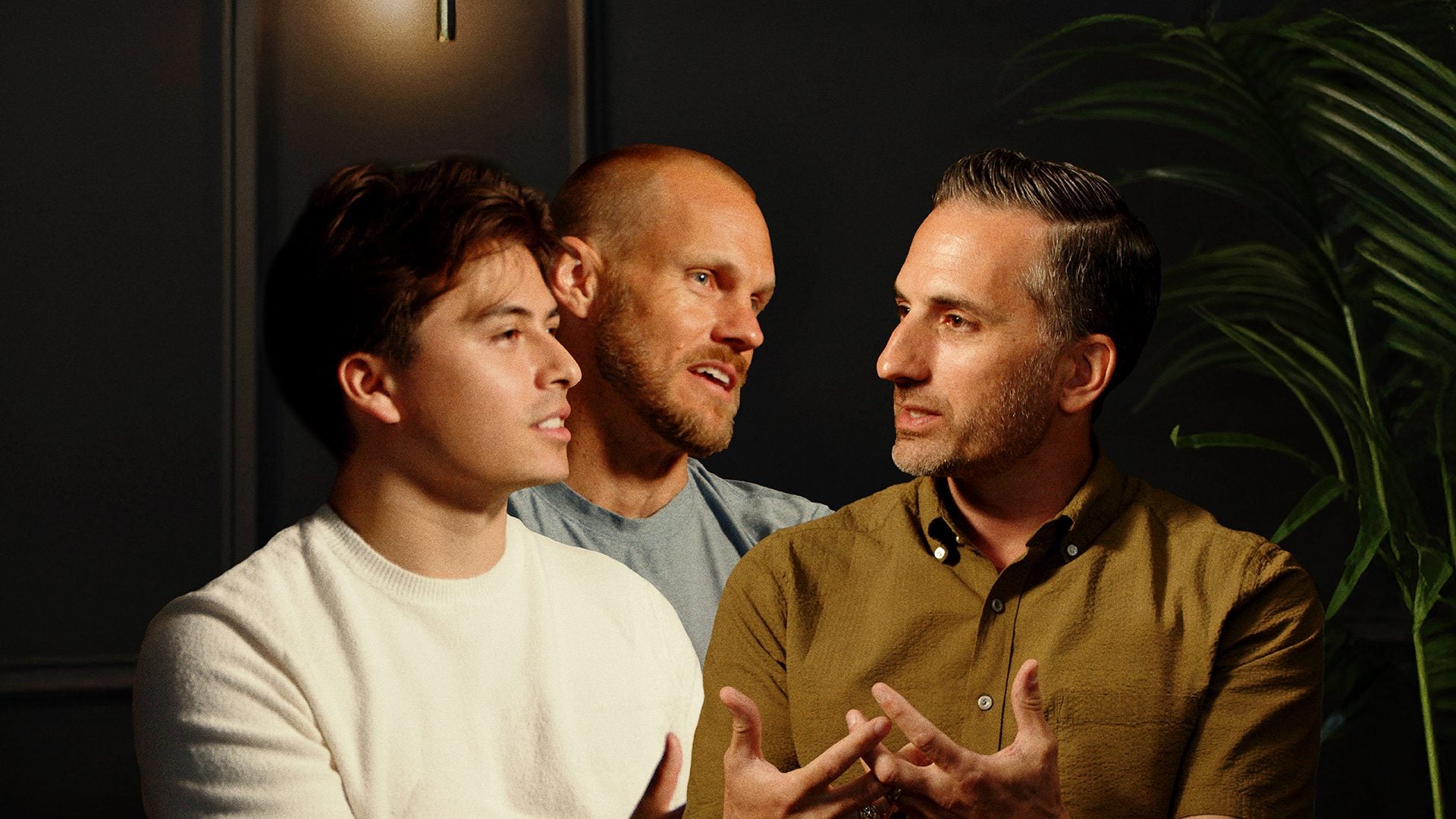

Gen Z has been called the most anxious, distracted, and spiritually lost generation in history—but God is writing a different story.
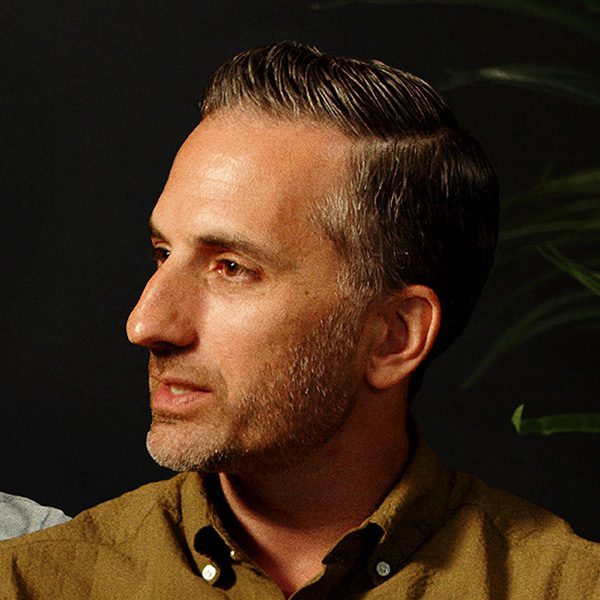
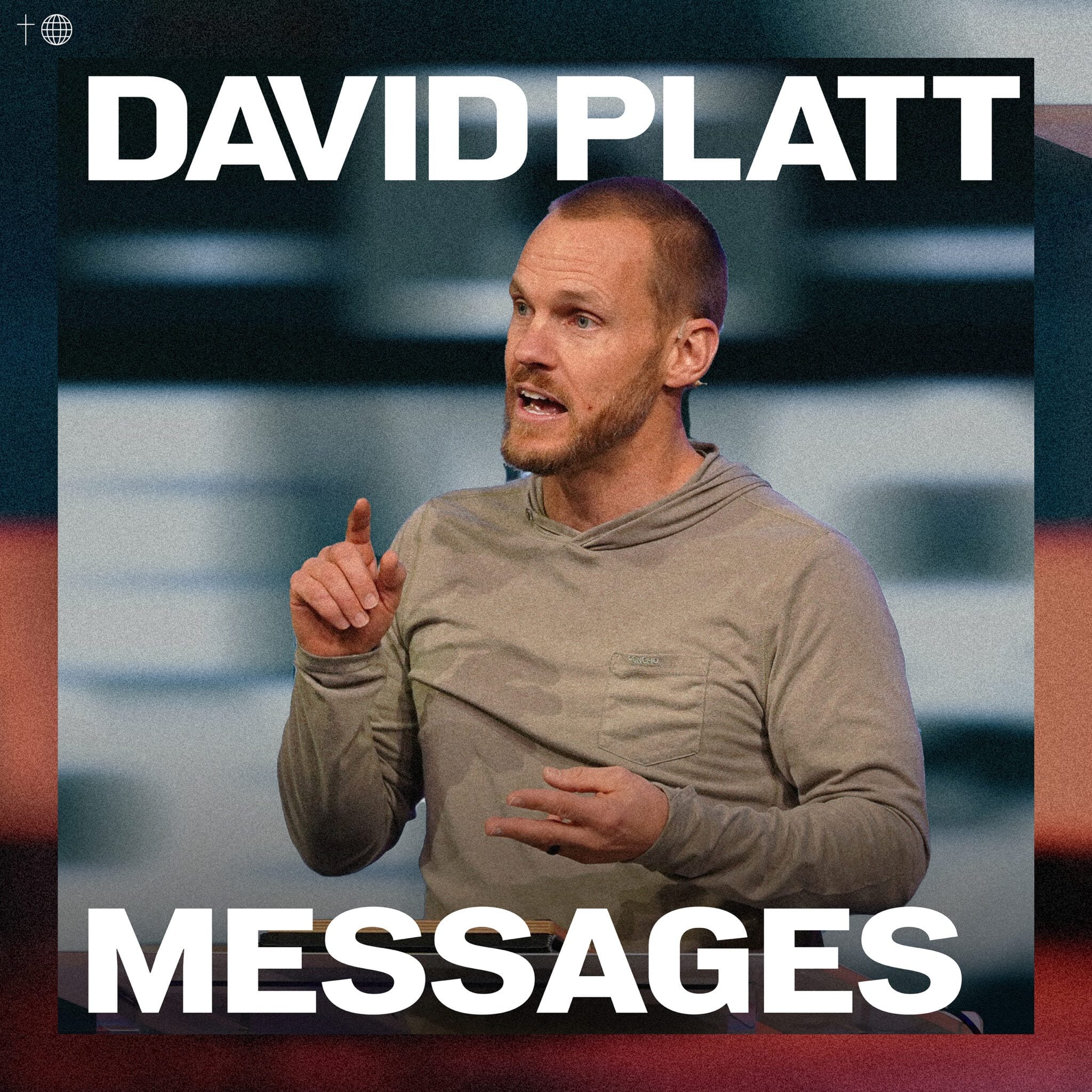
In this episode of Everyday Radical, David Platt and Austin Huang are joined by Timothy Ateek (Lead Pastor at Watermark Church) for an honest and hope-filled conversation about what God is stirring in the next generation.
Together, they discuss how young believers are leading the way in passion for Jesus, how to bridge the gap between generations, and why spiritual fathers and mothers are vital for the future of the church.
From social media evangelism to struggles with purity, distraction, and doubt—this episode offers both encouragement and challenge for anyone who cares about discipling the next generation to love Jesus deeply and make Him known everywhere.
In this episode:
- Why Gen Z might be the most passionate generation for Jesus yet
- The beauty of marrying truth and experience in worship
- How social media and digital evangelism can serve the gospel—not replace the church
- Why we need spiritual fathers and mothers more than influencers
- The call to holiness, deep joy in God, and daily renewal in His Word
Whether you’re a Gen Z believer, a parent, or a church leader longing to see revival among young people, this conversation will encourage you to trust God’s work in this generation—and join Him in it.
Join us every Tuesday for Everyday Radical—honest conversations about how to live out the gospel with courage, clarity, and compassion—and how to help others do the sam
Austin Huang:
Gen Z is often labeled as the most anxious, distracted, and spiritually lost generation in the world, in the history of mankind, but what does God say about that? Today, we’re joined by our guest Timothy Ateek from Breakaway to The Porch. He is at a front row seat at seeing what God is doing in this generation. TA, thank you for joining us.
Timothy Ateek:
I’m so glad to be here with you guys.
Austin Huang:
Absolutely.
David Platt:
And just to jump in, I just want to say to you, I praise God for His grace in you and this whole journey that you’ve poured the gospel. I mean, I’m about to be in Psalm 78 tomorrow in my Bible reading plan, just pouring the gospel into the next generation and then now the way you’re doing that as a pastor at Watermark. But sorry, I know you got questions we’re going to dive into, but man, I am just so thankful for God’s grace in you personally and the encouragement and example you are to me personally.
Timothy Ateek:
Thanks, man. Well, likewise.
David Platt:
So it’s always awesome when you meet somebody you have respect for and you’ve heard about from other people and then you get to know them and it’s more genuine and authentic and good than you even imagine, anyway. So, thanks for being a part of this conversation.
Timothy Ateek:
Thanks, man. What a joy to be with you. I’m so grateful for you.
David Platt:
All right. Let’s go. Go ahead.
Austin Huang:
Oh, my gosh. I mean even for me five minutes ago, we met and it is just sitting here and just knowing how much you love the Bible and love God. It’s beautiful. I listened to you all throughout college and it’s greatly impacted my walk with Jesus. So, I appreciate you as well. Big encouragement session. Let’s do it.
Timothy Ateek:
This is great. Let’s just keep going.
David Platt:
Then here’s another thing about TA.
Timothy Ateek:
What else do you like?
David Platt:
It’s amazing.
Austin Huang:
Just 45 minutes of that.
Timothy Ateek:
Thank you guys. That’s a really kind thing.
Austin Huang:
Absolutely. All right. Well, the first big question is what unique things is God stirring in this generation that you guys are both seeing? This is a question locally, globally. Feel free to go wherever you want.
Timothy Ateek:
Yeah. I’m 44 now. I gave my 30s to the next generation and our church is 60% 30 and under. It’s so interesting. When I went to Breakaway as a director, it was at a time where the generation was shifting in college from Millennial to Gen Z. The world was so down on Gen Z. I remember doing research and it was like the rise of the nuns and it’s the most biblically illiterate generation and there’s just no value for the corporate gathering. All truth is relative.
All of those things that the world was so down on Gen Z about, they’re all being reversed in a really, really unmistakable way. You see it, there’s a hunger for the word of God. You see Generation Z pursuing truth. You see them gathering together. They’re honestly leading the way at our church. I’m viewing them as the tip of the spear leading our people in passion for Jesus. They’re coming back. It’s not the rise of the nuns. It’s the rise of truly the Jesus generation of people that are seeking to know Jesus and make Him known.
David Platt:
So good. If I could just add to that, that zeal, that hunger, I think about just this last Sunday in our worship gathering, there were a bunch of teenagers leading musical worship and it was one of the best worship gatherings we’ve had in… Well, I love worship with our church family every week. So, I don’t even want to compare it, but it was awesome. I’ll just say, there was an infectious zeal and it was really clear not just next generation needing us, but us needing the next generation-
Timothy Ateek:
Absolutely.
David Platt:
… in a way that yeah, it was evident around the room that the church can’t be what it is in its fullness without the next generation in its fullness fully engaged and specifically in this moment.
Timothy Ateek:
Well, so we’ve got our young adult ministry at The Porch, meets on Tuesday nights, went a couple of weeks ago. The Lord has unlocked something in that room, in that space in terms of just an unhindered, genuine, authentic passion to worship the Lord that then I step into Sunday and I said from the stage, “Young adults, you might need to teach us how to worship.” I am looking around the room and I don’t think it’s young adults just raising their hands because their friends are raising their hands. I genuinely believe that young adults are seeing Jesus more clearly than the people have just been suburbanized to death, that they’re seeing Jesus and they’re responding and it’s so infectious.
David Platt:
Yes. Not just emotion devoid of truth. Like you talked about, like zeal for the word. I was in a setting not long ago with… It was probably 18 to 20-year-olds around that age. As we were walking through Romans and I was just sharing just directly from the word, I mean, it’s not like they were sitting back with their arms crossed. What do you got for us? They were on the edge of their seat. At one point, there were people standing on their seat yelling out. It was awesome, but that’s where it’s like, yes. So, it’s not just emotion. It’s emotion driven by truth. It really is spirit and truth. Obviously, yeah, there’s tendencies toward one or the other in all of our lives and in the church and history. But I love seeing both those in ways I’m seeing right now that are super encouraging.
Timothy Ateek:
Well, one of the things that the director of The Porch, Kylen Perry, one of the things that we talk about is this idea at Watermark, we want to be highly exegetical and experiential. The beauty is when you can marry truth and experience. What we’re seeing is the young generation leans experiential, the older generation leans exegetical, and it’s been a lot easier to convince the younger generation that you want both. It’s to move them towards truth in the midst of experience.
It’s been to move the older generation from exegetical, from truth to coupling it with experience because I think that there’s this skepticism in the older generation. Whereas with the younger generation, there’s just like, oh, it’s not just feelings or emotion. It’s like man, the word of God actually by the Spirit of God leads to joy in God, which is a really amazing thing.
David Platt:
It makes me think about… So, I’m not going to use this person’s name because I don’t want to name-drop. Most people would probably recognize this person’s name, but just a father in the faith, older brother in Christ who has had a huge impact in my life. But I’m sitting here having a conversation with this a couple of years ago, but what you’re saying makes me think about it. We were talking about some things in the next generation that felt like too heavy on experience to me and not enough on… So, just in this conversation, I was like, “I mean, it’s not just about experience.” He stopped me in my tracks and he was like, “It is about experience. I want them to experience God. I want them to experience His word.”
Nehemiah chapter eight, when they’re on their faces before the word of God, it seems like an experience, an unforgettable experience. I love that exegetical and experiential together. I should add here, over the past six to eight months have been in multiple settings and different places in the world, specifically in parts of Asia where just gatherings of 18 to 25-year-olds. I think about being in Bangladesh. So, this room, I thought a pretty small room. They said there’d be 500 people there. I was like, “There’s no way you can put 500 people in there,” but they did it.
So, 500 people crammed into this room, 18 to 25-year-olds all for three days just listening to the word and worshiping and saying, “We want to make the glory of God known among all the nations starting right here among…” Bengali-speaking Muslims are one of the largest unreached people groups in the world, but they’re going after it. So, I’m encouraged when I see this in different places in the world.
Austin Huang:
I mean, I’m deeply encouraged by both of what you guys have shared about being encouraged by our generation because we don’t get that a lot. I mean I grew up on social media. I had it since I was in middle school. Now the implications of that, I don’t know. I don’t know if I would let my kids do that, but at the same time, I think I’ve seen this demonization of social media from the large landscape of pastoral leadership in the US or around the world. They think that, “Oh, social media is not good. These things, these new tools that these young people are using to share the gospel, yeah, they’re fine, but they’re not what really is actually building up the body.” What are you all’s takes on social media, on digital evangelism, discipleship, all of these things?
David Platt:
Well before TA answers that, I just want to say I praise God, and we didn’t design this to be an encouragement session, but man, as you’re talking, I’m just so thankful for your zeal and personal evangelism. You’re not asking that from okay, I just want to have a discussion about this. For anybody who knows you, they know you’re out on the street sharing the gospel. You are doing all kinds of things through social media for the spread of the gospel. So, part of me wants to ask you the question, but what are your thoughts, TA?
Timothy Ateek:
Yeah, I don’t know if I’m the best person to speak to it. I think on one hand, the problem that I’ve seen with social media and one of my concerns for the next generation is just the tendency to celebratize Christianity, which famous Christian, that feels gross to me. That’s just not what you see when you look at Acts. I mean, they would get praised and then they would get stoned in the next chapter. So, if there’s any hesitation in me, it’s just man, our tendency to glorify man and I think social media feeds into that. At the same time, any means possible for the gospel to go out.
I think I am realizing as I get older just how quickly I am disconnected from how technology is growing and moving and shaping. That for me to sit here and to be down on it would be foolish because I don’t even know all of the ways that God is giving Gen Z the ingenuity to use all different forms of technology to take the gospel to the end of the earth. I mean, we just saw with Gather25 what technology was able to do in translating truth in real time. So, I’m like, “Man, there’s something there by any means possible.”
David Platt:
Yeah, that’s a really good word, especially when I think about what we were talking about earlier about us needing the next generation. So, I think about how much do I need my grandparents to tell me how to steward social media? They probably don’t. I mean, my grandparents were with the Lord, one. So, anyway, but people who aren’t familiar with that are going to have a harder time speaking to that. So, like you, others and more and more, as new media comes and all kinds of waves and trends progress, those who are familiar with that, I do think there’s a wisdom that can be spoken into hey, watch, safeguard, be cautious about this. Here’s dangers I see.
At the same time, think through stewardship of this. Is there any ways this can be used in a 1 Corinthians 9 way? Is this any way this can be used for the salvation of some? By all means, how can we use this, steward this and to really encourage that… I think the way you put it, ingenuity is really good.
Austin Huang:
I mean I think there’s everything that you guys just shared is beautiful because at least the ones who have the right head on their shoulders, we’re not trying to take away from the church experience. We’re not trying to steal away from the flock that you guys are shepherding. I just reflect on this time where it was about a year and a half that my friends and I were hosting these Zoom Bible studies open to the entire world. For some reason, God took it from the very beginning and it went viral. It was crazy. We had hundreds of people coming in every single week just to get fed by the word. We saw salvations.
We saw just like God moving in so many ways in all across the world, but we had to continue to remind ourselves and them that this is not local church. We’re not trying to steal you away from people. For some of them in the unreached places, I mean they’re meeting in secret. So, this is partially their local church. But we had to say, “Man, if you live in a place where it is accessible to go to church in person and if you’re able to do that, please do that. We cannot disciple you in a way that… We can be with you. We can hear your thoughts and your questions and your comments through a Zoom chat, but once this meeting ends, we cannot walk with you.” I think that’s the thing that man, I’ve seen so much.
We have this zeal as a generation to reach people, but I’m afraid that in having this zeal to reach people because I’ve experienced this, we reach them with the gospel, we get them to salvation, and then we leave. I think as shepherds, as pastors, what is you all’s take on that? How do we connect the two dots? How do we connect from my perspective of getting someone to the gospel and getting them plugged into the local church?
Timothy Ateek:
I think you just answered your question. As you’re talking, I’m sitting here with gratitude in my heart to hear you say everything you said that you had the vision for hey, we’re going to gather people, but we are not… The church is more than us just gathering for an hour. I think when I think about my concern for the next generation is that I want young men growing up aspiring to be a pastor or an elder and not just an influencer. Because when you look in scripture, you don’t see influencer. You see pastor, you see elder, you see shepherd. Right now, that’s the tendency is that can be a negative of social media is that you just see what it could be like to be an influencer where you pop in, you give a message, people praise you, and then you leave.
But there’s something so beautiful about what you’re saying of man, when God brings a critical mass, we want to use that opportunity, but then we want to place the value in people’s minds from the moment they trust Christ of what it looks like to belong to the people of God and to grow up into a Colossians 1:28, complete in Christ disciple. Where does that happen? It happens in the body of Christ through a local expression.
David Platt:
So good. Well, you got the Bible out. I’m going to yield to you.
Austin Huang:
I was going to flip through it, so I’ll try to find this, but when you were saying that, I just remember Paul talking about so many people desire to be teachers, right? There are hundreds, there’s thousands of teachers, but we are lacking spiritual fathers. I think that is the answer to this entire podcast episode is that Gen Z, younger generations, Gen Alpha is now on the rise. We need spiritual fathers, deeply spiritual fathers, people who can correct us.
Maybe they don’t understand exactly how things work and how social media works, but who have seen life, who’ve been with the Lord, walked with God, experienced God, loved His truth, and can correct us. I mean, I just think Hebrews 12, God is treating you as sons. And if He didn’t discipline us, then we would be illegitimate children, not His kids, but because He’s disciplining us, it’s for our good. So, yeah.
David Platt:
Man, I trust that’s a word we need to hear. Even just the picture, I’m almost just overwhelmed with emotion, just thinking about one, there’s spiritual fathers in my life who have had a shaping. There’s no way I’d be sitting here without, and I could list five people right now, and just their spiritual fathering in my life. I was just texting with one of them last week, two of them thanking them for that. But then I have this picture of spiritual fathers and mothers and next generation together stepping into this moment with all the stuff, with all the social media, with all the AI, with all the things. We are in this time and place together. Let’s do this together. Let’s pour, realizing we need each other.
We can’t flourish without each other. It’s part of the beauty of the body of Christ. So, to think through these things together or work through these things together, it’s a beautiful picture. It’s part of what I love about the church and multiple generations in the church. Again, Psalm 78, one generation to the next, to their children’s children. Let’s do this with a view toward whatever’s after Gen Alpha even, right? Yeah.
Austin Huang:
Speaking on concerns, I know TA, you mentioned that a little bit. What are some specific other concerns that you guys have as you see us being zealous or even on the opposite hand, as you see a generation that… I mean, I think it is twofold. I think yes, Gen Z is spiritually lost and distracted and anxious, and on the opposite side, there are those who are coming from that and seeing Jesus’s light and being born again. But on this side, the ones that we haven’t reached, I guess, what concerns are you seeing in us or what encouragements can you give us that can help reach those people just from your experience in walking with the Lord?
Timothy Ateek:
Yeah, I feel like I’ve expressed my concerns. I think my concerns are so little compared to my hope and my expectancy for Gen Z. If anything, my concern is for the people in my generation that they wouldn’t see what God is doing among Gen Z, that they would just pigeonhole them in they’re young and full of zeal and lacking wisdom. What a short-sighted view of the next generation. So, I think that’s one concern is just that the older generation wouldn’t see, number one, what God’s doing and what God needs or wants them to do with Generation Z. I think that that’s a concern. Then in terms of Gen Z, Gen Alpha that don’t know the Lord yet, a mentor of mine used to say, he used to say, “The bigger the tree, the harder the fall.”
His point was like, hey, when someone who seems far from God when they turn to Christ, it’s just that much more evident and apparent. I’m actually excited by that. I think there’s less room for the mushy middle of Christianity. It feels like there’s a more like you’re either all in with Jesus or you’re out or you’re not about it. I think that that growing distinction is a good thing and we’re going to see it. I think we’re going to see it more and more on college campuses where it has been very socially beneficial to associate yourself with Christianity.
My hope is that that is going to decrease and that there really will be this clear distinction between those who are following Jesus and those who aren’t, because I think what it does is it allows those who are following Jesus to become a truly compelling and captivating community for those who aren’t walking with the Lord, and I think evangelism will flourish. Does that make sense, what I just said? I was just processing out loud.
David Platt:
Yeah. Well, when I think about concerns and listen to you, what’s coming to my mind is Romans 12, and there’s a sense in which this is my concern for myself or for any person of any generation, but it does look different in different generations so that they would not be conformed to the pattern of this world, but would truly be transformed by the renewing of their minds. So, there’s so many messages, especially in our culture right now, whether it’s with gender and sexuality, all the way to just Jesus, heaven, hell, absolute truth. There’s so many things that are totally against the grain of the world and the culture we live in.
So, my concern is when I think about the next generation and my church family, even specifically just picturing their faces, I want them to be transformed every day by the renewing of their mind. That’s what this word has the power to do. So, I’m just zealous to figure out how to keep pouring this word in the next generation so that this is what’s shaping their thinking, not the pattern of this world. It’s so hard. I’m definitely concerned when I see the number of hours people spend on a device being conformed to the pattern of this world. How do you counter that and truly be transformed by the renewing of your mind? That takes a ton of intentionality. It’s not going to happen accidentally.
We’re accidentally, in a sense, we’re spending all this time filling our minds with messages from the world. There’s a sense in which that’s happening in every generation, but there’s just such an onslaught of messages from the world. How do you counter that in a way?
Timothy Ateek:
Can I jump in on that? Because even as you were talking, I was like, “Oh, those are actually my greatest concerns for Gen Z.” When I look at what’s happening in our church, where we see young adults struggling most that the two greatest areas is one with pornography and one is we have seen an epidemic in our church of young marriages like marriages in their first year falling apart. Sometimes those two things are actually tied together, but it’s that for Thessalonians 4, this is the will of God, your sanctification that you abstain from sexual immorality, that each of you know how to possess his own vessel in… What is it? I just blanked on it.
But my point is I think we have more than ever a young generation that it’s been forced on them at such a young age. Pornography has just been that it has shaped the way that they view relationships, which is actually impacting marriages. So, that’s where we are seeing young adults really, really struggling, is they feel more enslaved than ever to pornography, and then they’re starting off marriage on a really, really shaking ground that young couples are in crisis within the first few months or the first year of their marriage. It’s been an epidemic that we’re trying to face.
David Platt:
Can I just pause and let that sit for anybody listening to this, which I mean statistically would be a lot of people who are listening to this who feel that enslavement? Just to hear in a fresh way in this moment, in a way that you may not have been expecting today, that there is freedom in Jesus, that there is power in Jesus. Galatians 5, you have the Holy Spirit in this battle. So, I want to just speak that word of truth and anybody who’s listening to this and I encourage you to press in, don’t give up, seek out brothers and sisters in Christ to experience victory over that with. Yeah, that’s definitely a concern.
Austin Huang:
I’m grateful that you brought that up because as someone who struggled with that in my past, I mean, I still have friends that I’m walking through and accountability with that, it breaks my heart because the more motivation you may have, the less it actually works. I think there’s this whole wave even beyond the Christian sphere on social media. It’s like these guys who are trying to beat lust, beat addiction, beat porn, and yet they’re trying with all their willpower and they can’t do it. They don’t have the Spirit of God. That is the only thing that can set us free fully.
Willpower can only go so far, and I’ve just seen in my own life in so many areas just like, “I need God now. I need Him today. I need Him this morning. I need Him when I go and drive my car later. If I don’t have Him, I can’t do anything.” It’s that verse that we were going through, John 15:7, I believe. It’s like He’s the vine, we are the branches. Apart from Him, we can do nothing. We can do nothing. I think in the past, I used to read that verse and a bit of pride in me would bubble up. I can do some things apart from God, but now that I’m 25, so I’m just like, “I can’t. I know I can’t do anything apart from Him.”
David Platt:
This shifts a little bit, but just one other concern real quick is I believe everything we’ve been talking about when it comes to and all the encouraging things I’ve seen, and then I do see the numbers when it comes to rise of the nuns, when it comes to the reality that not everybody is out sharing the gospel and believing the gospel enough to share it like that. So, I would want us to be careful not to just think anecdotally when you look at some of the data. So, there are concerning things when you look at the data, and we need to open our eyes to that, not be blind to that and step into it and say, “Okay, let’s take where the fire is that we see and let’s just pour fuel on that fire and pray for the spread of that fire and be really intentional.”
But if we’re not intentional to do evangelism in the next generation, it’s not going to happen just automatically. That’s going to be led primarily by the next generation and previous generations pouring fuel into that fire. The fact that you got on a few years ago, Zoom Bible study and started that, people would expect a pastor to do that. They didn’t expect a 22-year-old to do that and their peer to do that, and that’s why it took hold. It just went viral. So, anyway, so the more we can fuel that, we’ve got to be intentional about fueling that.
Austin Huang:
Yeah, I mean I think being passive is the overarching concern because that’s my concern too. I think, yes, God is moving on college campuses, God is moving in the workplace, God is moving amongst young adults, but there is still this tension. I think it’s maybe largely in the south, just where we’ve all grown up. I grew up in the church. Parents got divorced when I was young, and so I walked away in a way. I think we have this passive mindset until something happens and we experienced God in a unique way that kick starts that. So, I mean is the encouragement then prayer? Is it reading the word? What is you all’s encouragement to us? If it’s not this magical moment that happens with God, that gets me on fire, what can get us on fire?
Timothy Ateek:
Let me think about that. You go first.
David Platt:
Well, like TA said earlier, well, you answered it, but I don’t want it to feel like trite or overly simplistic, but yes, prayer in the word, the way to fuel fire of intimacy with God is to spend time with God. That intimacy won’t happen apart from going in the room, close the door, pray to your Father who’s unseen and your Father sees what has done in secret, will reward you. There’s a reward waiting for you, me, each of us, and talk about reward amidst all the anxiety and depression and the loneliness and different challenges that are fueled in many ways by the pattern of this world and by social media and other things. There is a reservoir of joy and peace that are found alone with God.
He’s sufficient for that, but that involves at some point turning it all off and just go in your room, close the door. It’s just you and Him. You’re just focused on Him and listening to His word, letting His words speak to your heart. Yeah, I needed the Psalms this morning speaking right to what I’m walking through in my life right now, and I need that every day. Otherwise, I’m going to be conformed to the pattern of this world, but that is available to us every day and that’s what I love seeing next generation get fire just for spending time alone with God. That’s transformative.
Timothy Ateek:
Yeah, I think that’s so good. AW Tozer used this language of gazing versus glancing, and that has really been shaping for me over the last few years that you’re either gazing at Jesus or glancing at Jesus. Honestly, we’re not helping each other. We say things like for five minutes or less, you can read the Bible in three years. I’m like, “Why would you only want to read the Bible for five minutes or less?” We’re just trying to expedite everything. But Psalm 63 has been a place I’ve been living. What do you see? You see David say, “Oh God, you are my God. Earnestly I seek you. My soul thirsts for you. My flesh faints for you.” He’s in a dry and weary land where there is no water. Then what does he say?
He says, “So I have looked upon you in the sanctuary beholding your power and glory because your steadfast love is better than life. My lips will praise you.” So here’s the connection for me. When you gaze at Jesus, it’s been helpful for me to think, okay, sit with Jesus until you see Jesus. Spend time in His word. Sit with Him. Don’t just talk to Him in prayer. Listen to Him in prayer. Sit with Him. If David hit it, Psalm 16:11, in your presence, there’s fullness of joy. So, if you sit with Him and there’s no joy, sit longer, then you’re missing out on His presence. But here’s the connection. What does John the Baptist say when he sees Jesus? Behold. So, it’s a term of sight. He’s directing, and what happens is his disciples become Jesus’s disciples. Because when you see Jesus, you want other people to see Him.
So, the conversation we were having about evangelism, it ties together. When you’re seeing Jesus clearly, you want other people to see Him. When you’re not seeing Him, you’re going to struggle with an urgency and insecurity for other people to see Him. So, that’s been a healthy just check. Am I glancing today or am I gazing? Because here’s the reality, no one’s marriage story is, “You know what? We passed each other on the college campus every Monday, Wednesday, and Friday. We said hello and we’ve been married for 30 years.”
No one falls in love just by a quick hello. For me, I’m really thankful for that wording from Tozer, but also just that idea of spiritual sight. It’s possible to see Jesus without seeing Him. That’s why in Mark 8, after Jesus has already fed 5,000 and 4,000, the disciples are like, “We’ve got no bread.” He’s like, “Guys, having seen me, have you not?”
David Platt:
Bro, I’m totally using gazing and glancing. That’s so good, man. Yes. Psalm 27, yes. This is the one thing I want to gaze upon your beauty to see your beauty for that to be the one thing we want. When it is, yes, fullness of joy. Oh, it’s so good.
Austin Huang:
I don’t want anybody listening or watching to miss that what has just been said. There is a difference between seeing God and seeing God. I’m in the Book of Hosea right now in my time with God, and Hosea chapter five ends with the Lord saying, “I’m going to return to my place until they earnestly seek me.” That is my encouragement. I know it’s you all’s encouragement to everyone listening, everyone watching. Seek God. He’s there.
That’s the difference between us now living with the Spirit of God and the people then when it was God still hasn’t sent His son to come and die for our sins. We have access to God face to face. We can by the blood of Jesus Christ enter into the throne room with confidence. So, I just want all of us to understand that.
David Platt:
Receive that. Man, so just to add on a couple of different verses to that because I was in 2 Corinthians this morning. He set his heart to seek the Lord. That doesn’t happen accidentally. So, to set your heart, so there’s just an intentionality with that. Then 2 Corinthians 3, beholding the glory of the Lord, we’re being transformed by His glory from one degree of glory to another, by being transformed into His image. This is where life and transformation and glory is found in this gazing and seeing and beholding. It’s transforming us in the process.
Austin Huang:
Well, I don’t want to wrap up this conversation, but I feel like we have to. For the last question, what would the church look like if this generation and every generation fully embrace God’s heart and work together in unity? What would it look like in the next 10, 20, 30 years?
Timothy Ateek:
I think personally, I think we would prioritize God’s presence because I see that in the generation. We’ve already talked about that. It’s just a desire for His presence and that prioritization on His presence. Imagine if people coming to church were like, “I’m coming to meet with God. I’m going to meet with God today. I’m going to hear from God. I’m going to meet with God, and I’m going to do it with my brothers and sisters.” I think that that alone, if the church that I’m a part of, if every member was walking in like, “I’m going to meet with God today,” something would be different. I think that we would tremble more at God’s holiness.
We would combine that experience with exegesis of Jesus, of wait, you can’t read the Old Testament and not get a grasp that God is holy, holy, holy. That would impact the way that we worship reverently, and then we go out and live to the glory of God. So, I think that there’d be more discipleship in the church, not just attending ministries, but life on life, spiritual fathers, spiritual mothers. That would just be a beautiful thing. Then the church would go out and truly live on mission to the glory of God.
David Platt:
Yes to all that, just vision of the church. Then so on top of all that, part of what’s come to my mind, and again, it’s this picture that’s in Psalm 78, but just one generation to the next to the next. We have a responsibility based on Psalm 78 to answer that question, how are we going to make sure that if Jesus tarries that 30 years from now, people know God, the next generation knows God? So that’s not going to happen if the preceding generations are not working together to make that happen. We’re talking about for the children yet unborn. That’s Psalm 78. So, I’m not even thinking about 18-year-olds now or 8-year-olds now. I’m thinking about their kids. We’ve got to work together for their sake.
That’s the responsibility that’s on God’s people in every generation, to make sure we’re working for our children’s children’s children. So, how do we do that? With the times we’re in, I don’t think any of us know where the next 10, 20 years hold. None of us knew 20 years ago where we’d be right now with all the stuff. So, there’s a ton that’s going to change, but what is not going to change? How do we hold fast to that and how do we steward this moment? Including I would add the unprecedented opportunities we have to make the gospel known in the world. There’s no reason there should be billions of people without hearing the greatest news in the world about Jesus with all the technology and stuff we have available to us today.
So, how do we work together, not just for our children’s children, but for people who for generations have never even heard and aren’t even able to have this conversation? But the thought of us locking arms to do that together for those you have to come and for those who’ve never heard, that’s like, yeah, this is what the church is about. Man, let’s do it together.
Austin Huang:
Let’s do it. Thank you guys. Thanks so much for joining us today on Everyday Radical. We pray that this conversation stirred your heart and strengthened your faith. There’s so much more ahead. So, go back and catch any episodes you might’ve missed and subscribe so you don’t miss what’s ahead. Let’s keep making Jesus known everywhere. Until next time.