
A Letter from the Persecuted Church
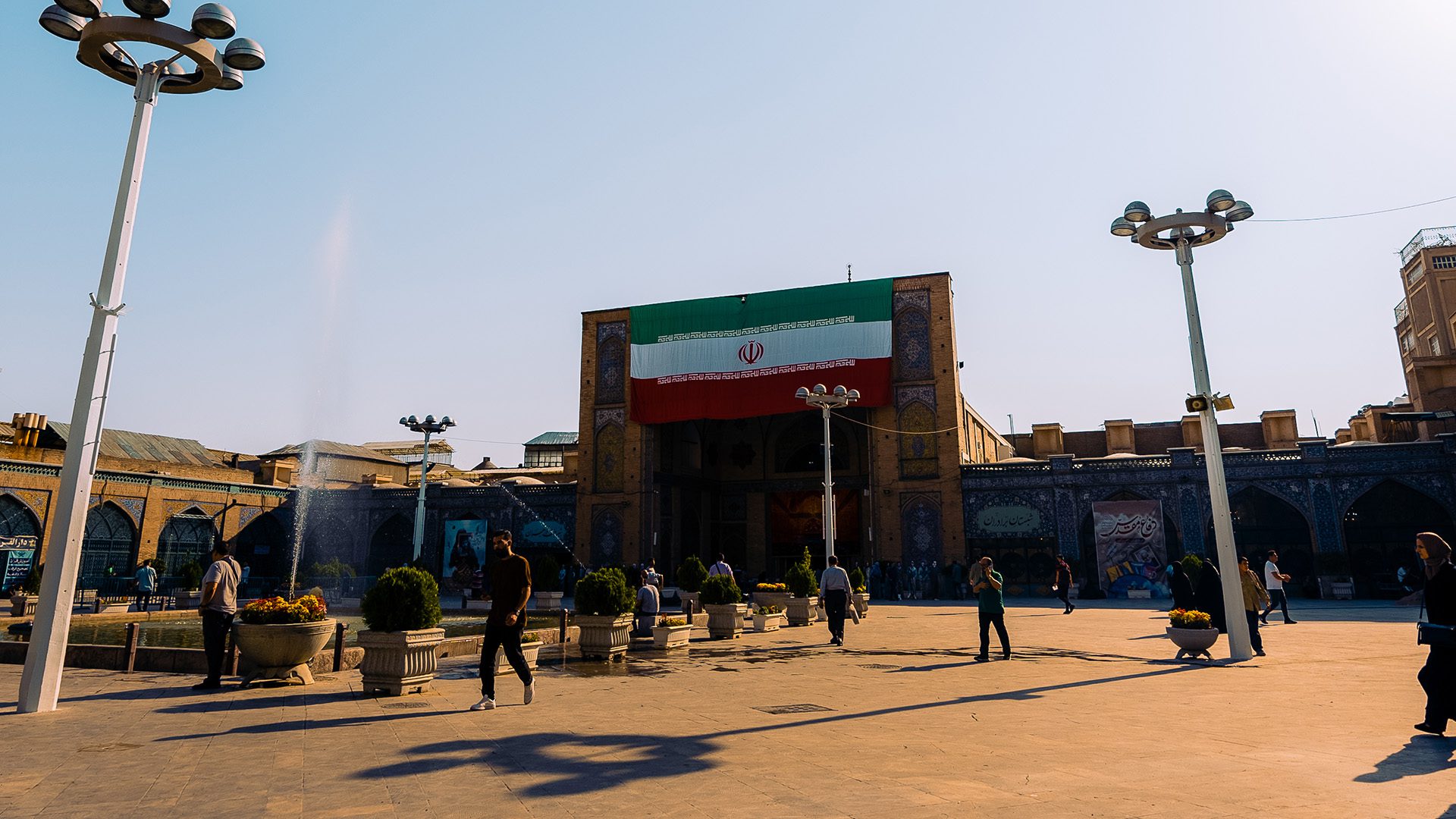
In recent years, I have repeatedly asked myself: What does Christian faith mean in Iran? How does faith take shape in a land filled with restrictions, crises, and external pressures?
Looking at the churches in Iran, we see a dual picture: on one hand, a new hope budding in the hearts of many Iranians—a hope for salvation, truth, and a renewed identity in Christ. On the other hand, there is deep sorrow arising from persecution, arrests, and oppression.
When the Iran-Israel conflict began this summer, many hoped it might be a turning point for change. Yet, at the same time, waves of arrests shook the Iranian Christian community. More than 50 of our beloved brothers and sisters were detained under baseless accusations.
This was not merely political news. It was a deep wound in the body of Christ in Iran.
A NEW START WITH NEW TRIALS
In Western churches, professing faith in Christ is often accompanied by healing and restoration. A person struggling with addiction, marital breakdown, or mental health issues can experience a fresh start in Christ. Often, the church supports them, the community embraces them, and the result may be growth and flourishing in the body of Christ.
In Iran, faith brings a very different experience: It marks the beginning of a path full of risk, suffering, and cost. This is what Jesus himself foretold: “I have not come to bring peace, but a sword.” Being a believer can lead to family divisions, social estrangement, and even deprivation of basic human rights.
Dietrich Bonhoeffer, the great German theologian who was imprisoned by the Nazis for his faith, wrote: “When Christ calls a man, he bids him come and die.” This truth is vividly alive for Christians in Iran. Faith is not just a spiritual choice. It is a decision that can transform every aspect of life.
PERSECUTION IS THE COST OF DISCIPLESHIP
Tertullian, a Christian writer from the 2nd century, famously said: “The blood of the martyrs is the seed of the Church.”
Although persecution is painful and bitter, it’s always been a source of spiritual growth. Today, persecution in Iran cannot extinguish the flame of faith; rather, it deepens and strengthens it.
In his book The Problem of Pain, C.S. Lewis wrote this: “God whispers to us in our pleasures, speaks in our conscience, but shouts in our pain. Pain is God’s megaphone to rouse a deaf world.”
The suffering of the Iranian church is not a sign of God’s absence but a call to draw closer to him.
PERSECUTION ISN’T THE ONLY CHALLENGE
Beyond spiritual pressures, many Iranians face daily hardships such as water shortages, power outages, and economic and social crises. House churches are often the only place where people can find true hope. But the lack of local churches and security concerns makes this path much more difficult.
It’s tempting to focus on statistics when talking about the problems in Iran. But each number represents a real person: a father supporting his family, a mother raising children with hope and fear, a young person whose dreams remain alive despite the pressures.
A CALL TO RESPONSIBILITY
Today, the global church has a duty to stand alongside the church in Iran—not just with distant prayers, but with practical support, educational resources, and strengthening faith networks.
For many, the church in Iran may seem like a mere news item. But for us, the church in Iran is our family. Its suffering is our suffering, and its hope is our hope.
Dietrich Bonhoeffer once said: “The Church is only the Church when it exists for others.” To keep the body of Christ alive and active, we must learn how to be present for the Iranian church amid its suffering and hope.


