Day 8 – North Korea

In North Korea, the gospel has gone underground—but it has not disappeared. Learn about the courage of secret believers, and pray for hidden churches to endure and shine under intense pressure.
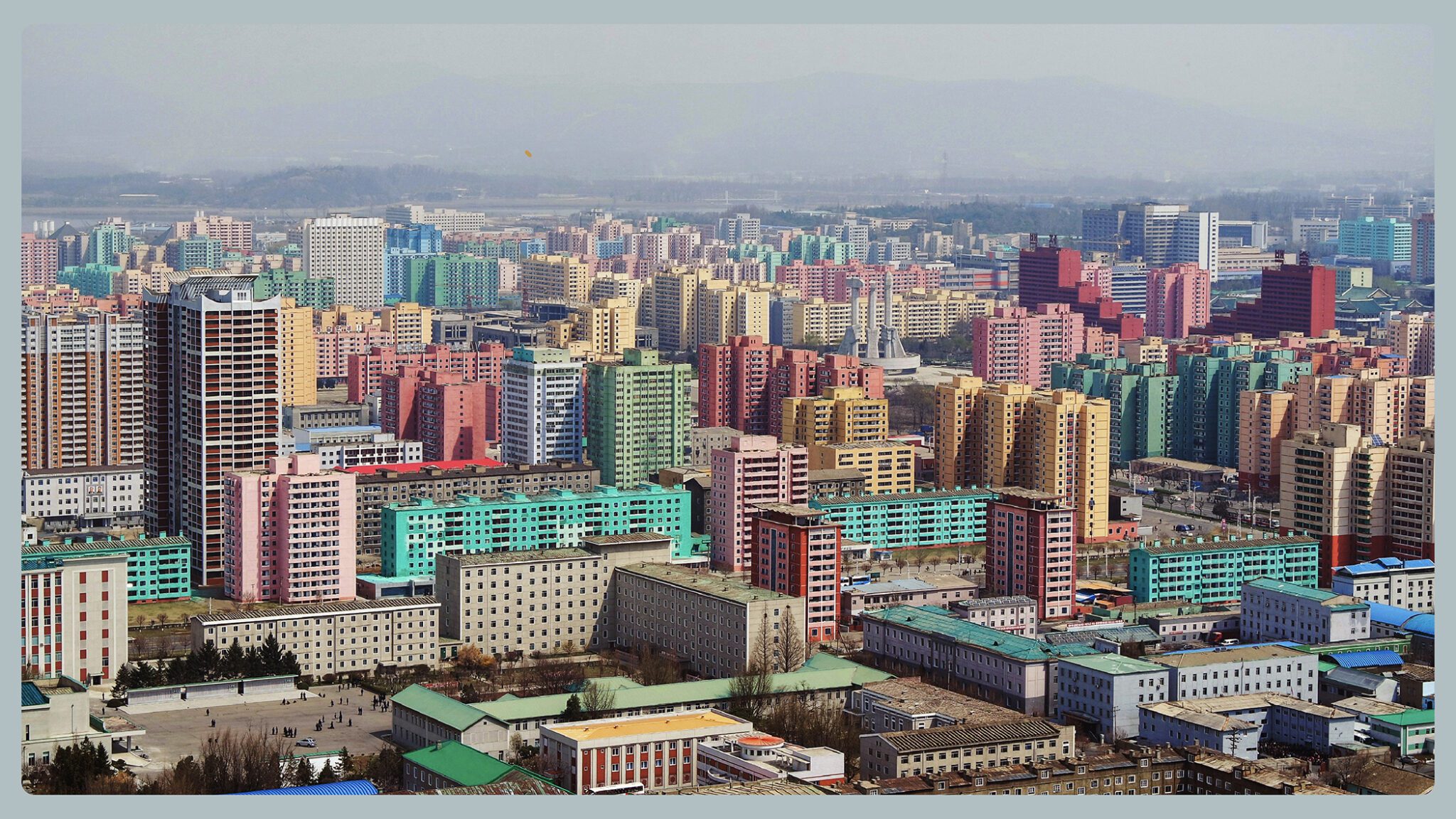
If you have ever stood in Seoul and looked north, it is striking to consider what lies just across that border. In 1973, more than a million people crowded into Yeouido Plaza to hear Billy Graham preach, while only a few miles away—on the other side of the border—owning a Bible could land someone in a prison camp or worse. These places are so close to each other, South and North Korea, yet they are two completely different worlds. It was not always this way.
The gospel first entered Korea through a trader who was healed by a missionary. A secret church formed near what is now the northern border. Pyongyang was once known as the Jerusalem of the East. Revival spread, churches multiplied, and then came war, followed by occupation and a regime that built its own religion called Juche. There are hymns to the Kim family and mandatory confessions. It all resembles religious faith, but without love or grace, and with the Kim family treated as gods.
Yet the true church did not die; it went underground. Some North Korean believers know only a few verses of Scripture and guard them like treasure. Parents whisper the gospel to their children, even though those children could one day expose them. Prisoners pray using secret codes. The suffering is real, but so is their Savior—and something is happening. More North Koreans have seen a Bible in the past decade than ever before. The regime demands fear; the gospel gives freedom.
South Korea shows us how God can move among huge crowds, but North Korea shows us how he moves even in the dark. Psalm 31 says, “You are my refuge in times of distress,” and in North Korea, that refuge is still holding people fast.
So will you pray with me for the people of North Korea?