

What is Common to All of Us and a Calling for Each of Us

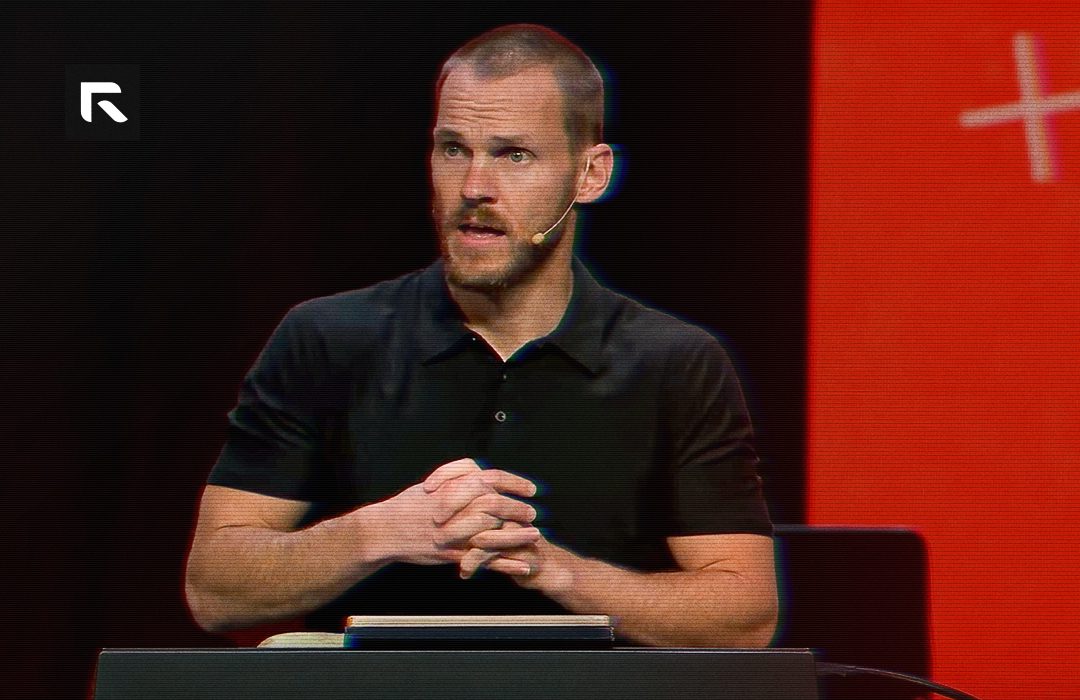
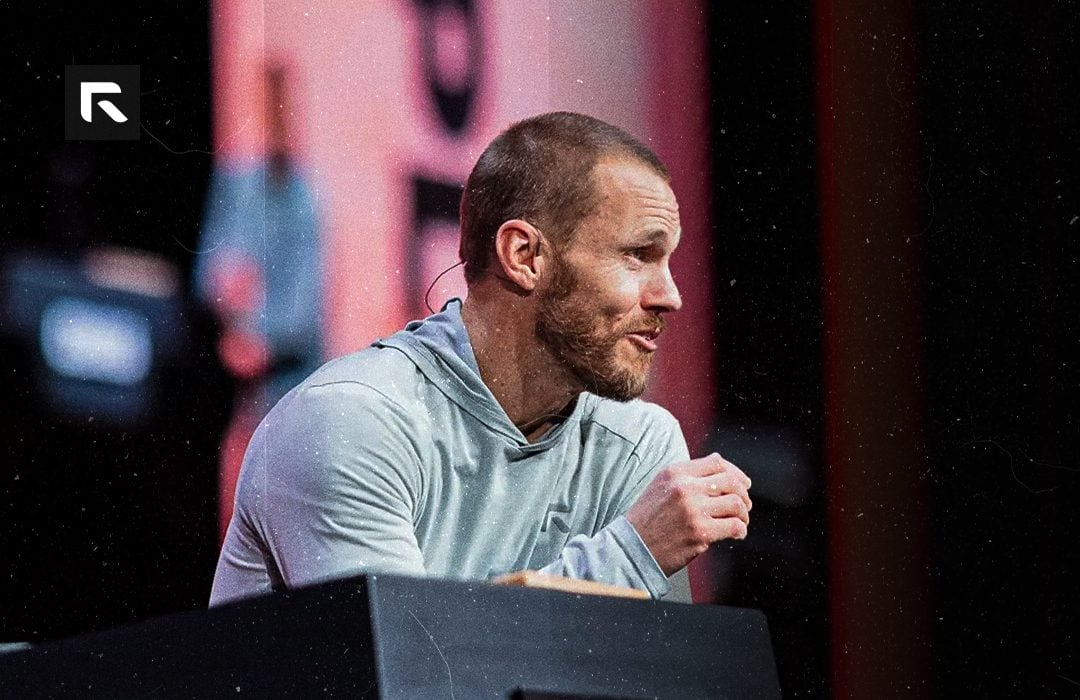
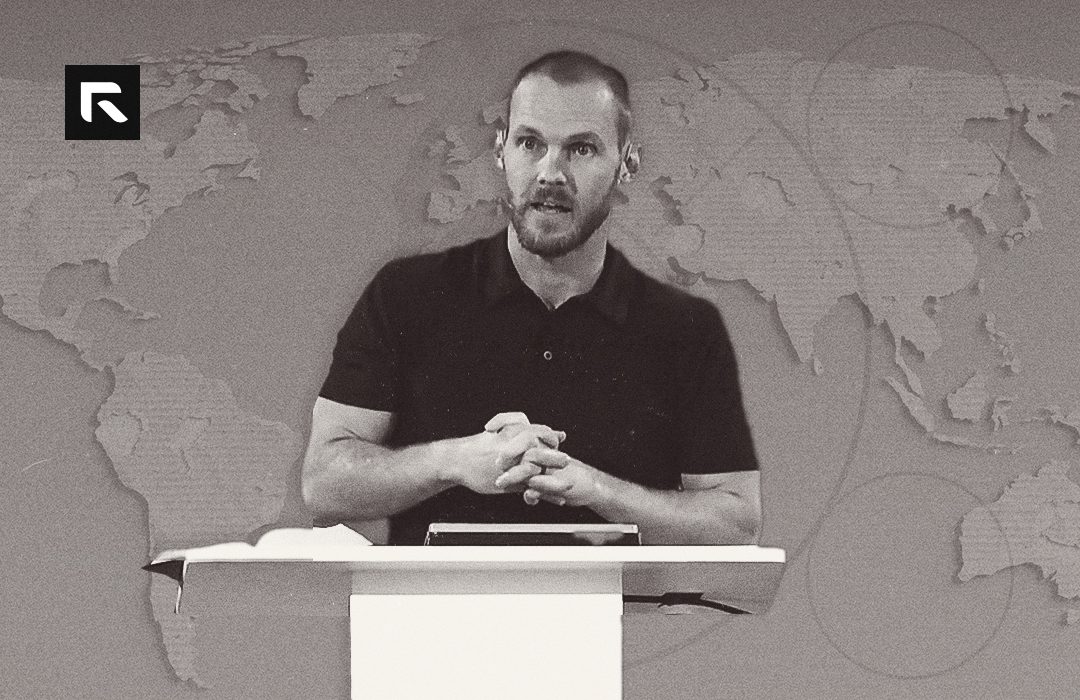
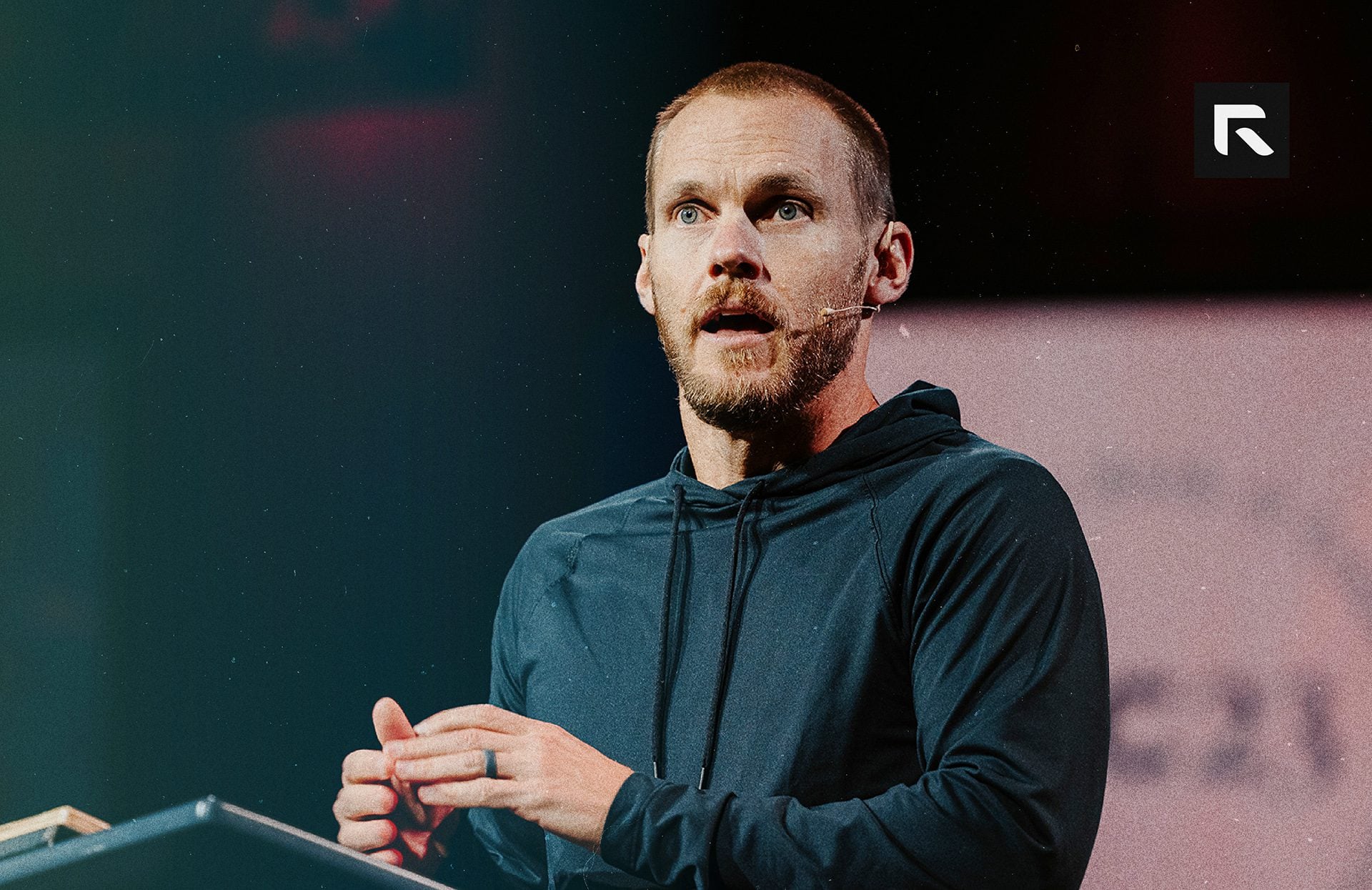
What is common to all of us as Christians? What is a matter of calling for each of us? In this sermon on Romans 15:14-33 at Go Conference 2016, David Platt reminds us that we are uniquely called to different roles but united by the same mission. All Christians are called to pray for God’s glory to be made known among all nations as well as to give generously. We are all called to make disciples, whether it is in our local community, on short-term mission trips, or on a lifetime of mission work. God has a plan and a unique calling for all of us, we simply need to listen and obey.
- We All Pray for the God’s Glory Among the Nations
- We All Give for the Spread of the Gospel
- We All Go and Make Disciples
The following is a lightly edited transcript provided by a transcription service. Please check the video before quoting.
What is Common to All of Us and a Calling for Each of Us
Good morning. If you have a Bible, I hope you or somebody around you does. Lemme invite you to find Romans chapter 15. Romans chapter 15, and in just a minute we’ll start in verse 14. So what do you do?
We’re together standing on a precipice, arcade, and barilla to use language from Numbers 13:14 last night. And you’re looking at 6,000 unreached people groups. Where do you start? What does that mean?
Does that mean every single one of us needs to pack our bags, leave jobs, even education behind here move overseas, move to another part of the world where concentrated unreached people groups are, and live as missionaries for the spread of the gospel? I think the mentality we have in the church is that if you’re passionate about God’s glory in all nations, then that’s what you do.
And then everybody else just kind of stays here. Actually, I think the way I was thinking at one point, I remember distinctly where I was at a college conference, which is part of what just drives my praying for a conference like this.
I remember when I was sitting at a college conference where I first came face to face with God’s passion for his glory in all nations, the reality of nations that have yet to be reached with the gospel. And I can remember where I was sitting after one particular session and everybody else got up and was just walking around talking about this or that, and it was like I was just sitting still with my jaw on the ground just realizing this changes everything.
I can’t just coast things out in casual cultural Christianity. It makes no sense if this is the God I worship and this is the world I live in. And I just remember distinctly that moment and then wrestling from that moment. So what does that mean for my life?
And I finished up school, went to the University of Georgia, and then went down to seminary and this passion to see God glorified in all nations and awareness of what God was doing among the nations and unreached peoples around me just was growing. And so my wife and I, we got married right after college and we’re down in New Orleans going to seminary together.
It was like, well, this is a no-brainer. We’ve got to go move among unreached people. And so it just so happened that one day the president of the International Mission Board at that time was preaching down in New Orleans and I had an opportunity to take him to breakfast.
And so I told Heather, my wife, I said, Hey, I’m taking the president of IMB to breakfast this morning and I’m going to tell him we’re ready to go. We’re ready to go anywhere in the world, we’re ready to move overseas. And she was like, all right, go for it.
And so I sit down with him at breakfast and I just immediately, I was like, hello Dr. Rankin, then just throw up my heart on the table and just lay it all out. I see God’s passion for his glory in all nations. And so my wife and I are going and what counsel would you give?
So for about 60 seconds, he encouraged me. And then the rest of breakfast he talked with me about the need for pastors and leaders in churches here to mobilize the church here to take the gospel to the unreached. And I was so confused.
I went home to Heather that day and she said, well, how did it go? Where are we going? And I said I think the president of the International Mission Board just talked me out of becoming a missionary.
And she’s like, what? I said, I don’t know, I don’t, doesn’t want me or us, I don’t know, just started wrestling with that. The Lord used that in so many different ways in my life To help me realize that a passion for the glory of Christ and the spread of the gospel to the nations isn’t just for missionaries who move overseas.
It’s for that kind of passion is for every single follower of Christ, the spirit of God wants the world for Christ. So Christian, do you have the spirit of God in you? Then you and I should all want the world for Christ.
This should drive us all. It’s funny. Now here I am president of the International Mission Board and people come up to me and they’ll be like, I’ve got a passion for God’s glory in all nations. So I think I want to be a missionary.
And I’ll say, well actually that just qualifies you to be a Christian. And so this is where the reason I’ve got us in Romans 15 is because I want us to see that what God intends for all of us in the church is zeal, passion, is devotion to sing his gospel and his glory spread to the ends of the earth that is intended to drive all of us.
And so I want us to think about what’s common to all of us in that sense. And then I want us to think about what’s a calling for each of us, and how that plays out in different lives. And I know of no better place in scripture than in Romans 15 and 16 together to show that.
So start with me in Romans chapter 15 verse 14. So just a little background. So the book of Romans, is one of the most glorious, if not the most glorious portrait of the gospel in all of scripture. I’d say Ephesians 2 is maybe a close second.
What we were looking at last night because Paul does here exactly what Ashen was talking about last night. He starts with the heart issue of the gospel and God’s grace. But then you get to the end of the book and you find out why Paul is writing the book of Romans.
And it’s not just to give a picture of the gospel as an end in and of itself. Listen to what he says in verse 14. It says, I myself am satisfied with you, my brothers, that you yourselves are full of goodness filled with all knowledge and able to instruct one another.
So he’s talking to the church at Rome, Christians at Rome. But on some points, I’ve written to you very boldly by way of reminder, because of the grace given me by God to be a minister of Christ Jesus, to the Gentiles, to the nations, those who are non-Jews in the priestly service of the gospel of God.
So the offering of the Gentiles may be acceptable, sanctified by the Holy Spirit in Christ Jesus, then I have reason to be proud of my work for God. And he begins to describe his work for I will not venture to speak of anything except what Christ has accomplished through me.
To bring the Gentiles to obedience by word and deed by the power of signs and wonders, by the power of the spirit of God. So that from Jerusalem and all the way around to a lyric him, I have fulfilled the ministry of the gospel of Christ.
And thus I make it my ambition to preach the gospel, not where Christ has already been named, lest I build on someone else’s foundation. But as it is written, those who have never been told of him will see and those who have never heard will understand this is the reason he says to the church at Rome, why I have so often been hindered from coming to you.
But now since I no longer have any room for work in these regions, and since I’ve longed for many years to come to you, I hope to see you in passing as I go to Spain and to be helped on my journey there by you once I’ve enjoyed your company for a while at present.
However, Paul says I’m going to Jerusalem, bringing aid to the saints from Macedonia and Aya have been pleased to make some contribution for the poor among the saints at Jerusalem, for they were pleased to do it and indeed they owe it to them. For the Gentiles have come to share in their spiritual blessings, they ought also to be of service to them in material blessings.
When therefore I have completed this and have delivered to them what has been collected. I will leave for Spain by way of you. I know that when I come to you, I’ll come in the fullness of the blessing of Christ.
I appeal to you brothers by our Lord Jesus Christ and by the love of the spirit to strive together with me in your prayers to God on my behalf, that I may be delivered from the unbelievers in Judea and that my service for Jerusalem may be acceptable to the saints, so that by God’s will I may come to you with joy and be refreshed in your company. May the God of peace be with you all. Amen.
Alright, so let me try to help us understand what Paul’s saying here. This passage I think is the most clear expression of Paul’s calling to be a missionary. Now, I want to be clear in the use of that term, there’s Broadways that missionary can be defined and more narrow ways that missionary can be defined.
So Broadway would be kind of like I was just talking about earlier. If you’re a follower of Christ, you have a passion for God’s glory among the nations, and you have been sent by God to make disciples of all the nations in this world.
And so that is for every Christian. So in that sense, to use Jesus’ language from John 17, as the father sent me, I’m sending you we’re all sent by God on a mission in the world. So that’s not an optional program over here for a select few people or a calling for just a couple of people.
We’re all in that sense missionaries at the same time, what we see in scripture is that God sends people out in different circumstances in different ways, specifically, in Paul Acts chapter 13, the Spirit said, set apart for me, Paul, and Barnabas for the work to which I have called them to go out from the church at Antioch and to begin crossing cultures and barriers into new places for the spread of the gospel. And God did that in a unique way in Paul and Barnabas’s life that he didn’t do in everybody’s life in Antioch.
He didn’t say Everybody in Antioch, you need to go to other places to make disciples. He said, Paul and Barnabas, I’m setting you apart for that. And so that would be maybe a more narrow sense of a missionary.
So a missionary is then one who’s sent out across geographic cultural or linguistic barriers to spread the gospel, particularly to places where it’s not been heard. And that’s what Paul is expressing right here. He’s talking about how God had called him to go to places where Christ had not been named.
Those who’ve never been told of him will see those who’ve never heard, will understand verse 21. And so that’s a picture we see in the New Testament. At the same time, I want you to notice something. Look at what Paul says in verse 23.
This is shocking. He said in verse 19, he had fully proclaimed the gospel from Jerusalem around to a lyric. And then he says in verse 23, since I no longer have any room for work in these regions, I’m going to Spain.
The reason he’s going to Spain is because there are people in Spain, who Spain not yet reached for the gospel. And he said, I’ve got no more work in these regions, so I’m going to Spain. So what does that mean?
Did that mean that everybody in those regions had been saved, had everyone in Jerusalem lyric and in these different places had they heard the gospel believed? Well, certainly not. But what Paul was saying is in all those places that the gospel had been proclaimed, disciples had been made, churches had been founded and work was going on.
So Paul says, I’m now moving on. But it’s interesting, we know in the rest of the New Testament, there were other people that Paul himself told to stay in those places. Paul told Timothy to stay and to shepherd the church in Ephesus, he told Titus to stay in Crete.
So it’s interesting in the New Testament follow this, you’ve got some Christians who are staying under the sovereignty of God in certain places that have already been reached with the gospel. And then you’ve got other Christians like Paul and some of his companions and others who are moving to other cities and regions to start the church.
And it’s not because Paul is being obedient and everybody else is being disobedient, but it’s God calling out different people to accomplish missions in different places among different peoples in different ways. So this is where I want to be really, really careful. In this conference.
We think about going and no way to imply that anybody who doesn’t move to another culture or country in the world to live as a missionary among unreached peoples, that anyone who stays here. The last thing I want anybody to think is that staying here means you’re second-class in the kingdom of God.
So the ultimate issue is not where you live, but whether you are obedient wherever you live, whether that’s in North Carolina or North Korea or anywhere in between. The whole point, what Paul’s saying here is that regardless of where you live, whether you’re in Jerusalem or Lyric or Rome or Spain, you’re living for the spread of the gospel to the nations.
Paul isn’t saying to the church in Rome, all of you are supposed to go to Spain with me, every single one of you. No, he’s saying, I’m riding you because I need you to help me on my journey there to help send me out. Maybe some of you are to be sent with you, with me, but all of you, the church at Rowan, to join me in an effort to get the gospel to places where it’s not been heard people among whom it’s not been heard.
And so that’s why I love the connection here with Romans chapter 16. So look at Romans chapter 16 because he starts listing different names of different people who were involved in this mission in different ways. Listen to this, go down to chapter 16, verse three.
He says, greet, Prisca and Aquila, my fellow workers in Christ Jesus who risk their necks for my life, to whom not only I give thanks, but all the churches of the Gentiles give thanks as well. Verse five, greet also the church in their house. Greet my beloved Eita, who was the first convert to Christ in Asia.
Greet Mary who has worked hard for you, and greet Andronicus in Juah, my kinsman and my fellow prisoners. They were well known to the apostles and they were in Christ before me. Greet us, my beloved in the Lord, greet urbanist, our fellow worker in Christ, and my beloved stalk us.
Greet Olis who is approved in Christ. Greet those who belong to the family of Aris Staus. Greet my kinsman, Ian, and greet those in the Lord who belong to the family of Narcissus. Greet those workers in the Lord. Trina and Osa greet the beloved person who has worked hard on the Lord.
Greet Rufus chosen in the Lord. Also, his mother, who’s been a mother to me as well. Greet and synchronous Flagon, Hermes bu, Hermes. And the brothers who were with them greet ISTs, Julia Re and his sister, and Olympus and all the saints are with them.
Greet one another with a holy kiss. All the churches of Christ greet you. This is a list of 26 different people who are playing different roles and doing different things in the mission of the church.
You got Prisca and Aquila, a couple who served alongside Paul and Ephesus now lived in Rome. You’ve got Eita, the first to come to Christ in Asia. You’ve got another couple who was imprisoned alongside Christ, alongside Paul for Christ.
You’ve got men, you got women, you got families, households, you got single married, young, old, rich, poor. You got Rufuss and his mom, you got Gon and PHUs. I mean this is like Sesame Street, Trina. I mean you meet people today whose names are Paul.
You don’t meet Flagons and Es and TSAs. And I do need to pause though on t Trina. So I was walking through this text with some of our personnel in the IMB and one of ’em came up to me afterward and said, you need to see this picture of my great-grandmother her name was t Trina, so I am going to show it to you.
He sent me a picture, and there she is. That’s Trina holding the Bible. Like I wouldn’t mess with Trina. So anyway, and maybe the name’s going to make a comeback, I don’t know. But the whole point is they were all important. They were all of them important.
And Paul’s saying together, we’re on this mission together, we’re getting the gospel to the nations, to Spain specifically is what he’s talking about here. Different people have different roles doing different things, praying, giving, going, and working to spread the gospel to those who’ve never heard.
So that’s the picture I’ve got in my mind when I think about this conference when I look just in this room, different people, different gifts, different skills, different abilities, who God is going to call in unique ways. All of us, I pray, every one of us in this room, I pray, driven by a passion to see the gospel and the glory of Christ known among all the nations.
So as that plays out, so here’s the question, what’s common to all of us? And what’s a matter of calling for each of us? Well, lemme start here. What’s common to all of us? I think at least three things based on this text. So what’s common to all of us?
We All Pray for the God’s Glory among the Nations
Well one, we’re all praying. We all pray for the glory of God among the nations. We’re all compelled by the spirit of God in us to pray for the glory of God among the nations. This is how Jesus taught us to pray.
Our Father in heaven, hallowed be your name in all the earth. That’s not an ascription of praise to God. That’s not saying God, you are holy. Although that’s obviously the right way to pray, but this is God.
I’m asking you for something. I’m asking you to cause your name to be known as holy on all the earth. It’s praying for God to be worshiped and glorified and known and enjoyed by all the peoples of the earth.
And this is something we all do. We all pray. This is what Paul here in Romans chapter 15 is asking the church in Rome to pray. He’s asking the church to pray for the church and for the laws of the church in Jerusalem that they’ll receive Paul when he comes to them.
Then Paul asks for the church, Rome to pray for him in verses 30 through 33. As he goes to Jerusalem, he knows that he has received threats there and those threats were founded when he got to Jerusalem, we know that he was arrested.
He ended up coming to Rome but not quite the way he intended. He ended up coming to Rome as a prisoner. And the picture here is Paul saying on a mission, I need your prayers. The church needs your prayers.
Unbelievers need your prayers. So strive, strive to God on behalf of all these things. Paul tells the church we know. Ephesians chapter six, when he asks for prayers there from the church of Ephesus, he says, our struggles not against flesh and blood, against the rulers and powers and authorities of this dark word, the spiritual forces of evil in the heavenly realm.
So pray. Pray. He’s calling the church in Rome to pray. So what’s common to us all, we all strive together in prayer on a mission to make the glory of God known among the nations. So let me just ask the question then.
Look at the last week of your life, is there evidence of praying with a passion for God’s glory in all nations? Is your life marked by striving before God in prayer on behalf of people who’ve never heard the gospel?
And if it’s not a mark in your life right now, let me encourage you to make it a mark of your life. Again, we’ve got to get out of this mentality that people who pray like that, are for the missionaries who move overseas. This is for every follower of Christ.
Do we realize this? We have the opportunity every morning when we wake up in our prayer closet, we have the opportunity to be a part of what God is doing in Martinia from our prayer closet. I mean this is the easiest, maybe potentially one of the most important ways we can be a part of the spread of the gospel and the glory of Christ among the nations is through our praying.
This is what Jesus said, A harvest is plentiful. The workers are few. I expect his next words to be so go and do something about it instead. His first words are to ask, pray, and ask the Lord of the harvest to send out more workers into his harvest field.
He says, pray. I think we have, let’s just be honest. We have this tendency in our minds and the way we think about prayer. We think well does prayer really matter? I mean, do my prayers this morning as I was praying for an unreached people group in Ali, do they really matter?
I mean, I think if we believe they’d matter, then we’d probably be praying more. So I think we probably don’t believe they matter. This is where I want to remind you. Remember Exodus chapter 32, when God, he, after the people of God have erected a golden calf and they’re worshiping it and Moses is meeting with God on the mountain and God says, I’m going to destroy my people.
He says, go down Moses. I’m about to destroy my people. So Moses goes down and what does he do? He starts praying. He intercedes for people who are deserving of the destruction of God. He starts interceding from them, says God, you love these people.
God, you care for these people. God, you’ve promised to bring these people into a promised land like we talked about last night. God, your purpose is to glorify yourself through these people. You can’t destroy them.
So he starts pleading and then in a baffling picture in scripture right after he prays, the Bible says the Lord relented. And he did not show his wrath to those people in the way he and the way they deserved. Do you realize this?
The picture here is like Moses prayed and God acted now for all who believe, which I hope we believe in high view of the sovereignty of God. That’s a baffling passage did God just change his mind? But I’m convinced you study that passage, God’s will and purpose are as settled there as it is anywhere in scripture.
Yes, these people were totally deserving of his wrath and his destruction, but God sent Moses down. If God was ultimately going to destroy them at that moment, he wouldn’t have sent Moses down. He sent Moses down, he ordained Moses.
So follow this. He ordained Moses praying to be the means by which his wrath was averted. Among those people, God ordains not just ends, but he ordains means same kind of picture when you think about Jonah, which we’ll talk about later, like you’re going to be destroyed in Nineveh.
And that’s true, but God sends Jonah to preach that and Jonah is the means by which that wrath is averted in Nineveh. So the whole picture here is God has ordained our praying. So think about it. So we’re talking about 6,000 people groups right now who are under the wrath of God.
They don’t know the gospel. They’ve not turned to Christ, they’re sinners, guilty before sin, condemned before God, and they have never heard the good news of how they can be saved by God. And God has ordained you and me to stand in the gap, to intercede, to be the means, our prayers, the means by which he hears and answers God.
You love these people groups. God, you care for them. You desire their salvation. You said it in second Peter three, nine, they’re under your wrath and they’ve never heard the gospel. So, God, I’m praying that you would send out workers so they’ll hear it and I’m praying that they’ll believe it when they hear it, just like you said in Romans chapter 10.
And they’ll be saved when they call on your name. Let’s pray like that daily for different people groups. And there are tools for that. I mean, just download on your phone, there’s an app, there’s an IMB app, IMB Pray, there’s a Joshua project app, I mean the Joshua Project app.
You just open it up and it’s got a different people group every day. It takes 30 seconds. This is instead of doing something totally meaningless on this instrument right here during the day, just pull up the Joshua project and be a part of something eternal.
Just pray. IMB Pray talks about different workers who are doing different things in the world on a daily basis and pray for them however it is, we all pray like this. So this is not just for a few in this room, all of us, and we pray like this, God’s glory among the nations.
We All Give for the Spread of the Gospel
So we all pray. The second thing that’s common in all of us is we all give all for the spread of the gospel and for the building up of the church serving the poor. Again, both these things are evident, all these things evident in Romans 15 and 16.
Paul says at the end of chapter 15 that he’s writing this entire letter. He needs help in getting the gospel to Spain. He says in verse 24, I hope to see you in passing as I go to Spain and to be helped on my journey there by you.
And the language he’s using there is referring to physical help, physical assistance. He needs people, and resources to get the gospel to Spain. So there’s a sense in which I’ve talked about this before, that the book of Romans, you know how today sometimes when people are going on a mission trip, they’ll write a letter to get support financially.
Like, hey, this trip’s going to cost this much. I don’t have that much money. And so I’m writing this to friends and family to ask you to pray for me. And then if the Lord leads you to help in giving, to make that possible.
And so I’m convinced Romans is like one big fat missionary support letter. I mean this one’s good. It’s really good. And so that’s what he’s doing. He’s saying, here’s the beauty of the gospel.
There are people in Spain who haven’t heard it and I’m writing. He says I’m writing so that I can be helped on my journey there by you. And it’s interesting though, right after that he talks about, yes, it’s important to God, the gospel to Spain where people hadn’t heard it.
And as much as he wanted the church at Rome to help toward that end, he said, I’m not going to Spain yet because first I’m going to Jerusalem because I’m delivering an offering there. Now Jerusalem had been reached with the gospel again, not everybody by any means saved there, but disciples have been made, the church had been founded, but he’s going and he’s taken money there.
The reason was that the church of Jerusalem was physically struggling under famine. So part of the picture we see in different places, in the New Testament is Paul taking up an offering for the church, an impoverished church in Jerusalem. And this is where I want you to see even passion for unreached people.
And Paul didn’t negate love for reached people for the church. The church clearly cares about brothers and sisters who are impoverished and in need. So the same’s true for us. We have brothers and sisters around the world right now who are starving and that should affect the way we use our resources.
There are places in the world that have not yet been reached for the gospel and that should affect the way we use our resources. So we all have an expectation that we certainly need to hear and heed in one of the wealthiest places, not just in the world, but in the history of the world.
I know you may not always feel wealthy when you eat ramen noodles every night, but the reality is we have clothing, clean water, food, and medicine. Education means of transportation, shelter, heat, air, all these things together make us some of the wealthiest people in the history of the world which doesn’t need to make us feel guilty just because we have this.
There’s, I mean, scripture doesn’t say you should be guilty because you have things at the same time. We’ve got to ask the question, why have we been given so much When saw in the video, a billion people are living in desperate poverty today.
Why have we been given so much? And the answer scripture gives is clear, we have given, we have been given wealth for the spread of God’s worship. May God be gracious to us and bless us and cause his face to shine upon us.
Psalm 67 says, and the prayer, there is a prayer at harvest time. It’s a prayer of physical blessing. God, may you bless us physically so that verse two, your ways may be known on earth and your saving power is known among the nations. The whole purpose of wealth is the spread of worship of his name.
So God has given us all that we have been given, not so that we can live it up in this world, indulging ourselves, but that we might sacrifice ourselves for the spread of the gospel to the nations because this world is not our home. So let’s stop living like this world is our home and living in another country or storing up treasure there.
And so we all give, let me exhort you with whatever income and resources you have right now to build into your life sacrificial, giving that costs, giving that hurts in your life now with whatever resources you have that as those resources, Lord willing might grow as degrees are completed or jobs are gotten, whatever it might be that a pattern and a discipline of sacrificial giving for the sake of the poor church, for the sake of the unreached in the world might be built into every one of our lives as followers of Christ. So we all pray, we all give.
We All Go and Make Disciples
And what’s common to all of us, we all go in some measure. We all go, go and make disciples of all nations Go conference. I mean this is, every follower of Christ is a goer in this sense. We’re all making disciples right where we live.
We’ve been commanded to make disciples right where we live. This is where we’ve got to make sure that we, even when we think about disciple-making, realize, I mean think about who told us to do this. Jesus. He said, go make disciples of all nations.
Jesus who spent the majority of his life and a very small geographic location, wasn’t traveling to every place in the world. He was in a pretty small geographic location and spent the majority of his ministry with 12 guys more time with those guys than with everybody else in the world put together during those years.
And so see in him the importance of doing this right where we live with the people in our sphere of influence, going, sharing the gospel, leading people to be baptized, the name of the Father, the Son, and the Holy Spirit teaching them to obey everything Christ commanded them doing, disciple-making right where we live. And this is how the gospel will spread to the nations through disciples who are making disciples.
Don’t underestimate that. I remember my first time in Cuba and just the spread of the gospel and the church in Cuba has been awesome in so many ways. And I remember we were in this one church that had planted 60 other churches and we went to one of the churches they had planted and that church had planted 25 other churches.
And so the guy who led this one church that had planted in the 16th and multiplied in all these other ways, I’m talking to him, he’s an older brother and I’m just wanting to glean wisdom from, and this guy, he is kind of crazy. He at one point was brought before the Communist Council in his area for questioning.
And so he walks in and he brings a rock with him, a big rock, and he sets the rock on the table in front of him and the communist council’s like, what’s the rock for? And he said, I just want you to know that if you try to stop me from proclaiming the glory of my God, this rock’s going to do it for me.
And they thought he was nuts. So they let him go. So I’m like, I just want to get wisdom from this guy. So I’m like, how have you multiplied all these churches all over Cuba? And he is like, son, we make disciples.
It was like, oh, that’s good. Lemme write that down. You see, it’s what we do. We make disciples. Those disciples make disciples. Those disciples make disciples. This is how the kingdom advances to the ends of the earth through disciples who are making disciples right where they live.
So we all do this right where we live, and then as we’re doing it right where we live, we’re open to doing it. That’s what we were talking about last night. Wherever God leads, wherever. And so that then starts to lead into what’s a calling for each of us.
So what’s common to all of us? We’re all praying for the spread of the gospel of the nations, the glory of God and his church, and all the world. We’re all praying and we’re all giving toward that end with our resources and we’re all going so much.
So this is not, there’s no passivity in this picture. I’m waiting to find out what God’s will is for my life. No God’s will for your life today is to make some disciples. So you don’t have to ask what is. God’s will just obey it.
So we’re all doing that. It’s common to all of us. Now what’s a calling for each of us now certainly what’s a calling for each eaches where we go and where we go that’s different. I mean the different names Paul mentions here have worked in different places at different times.
Paul’s writing this as he’s now shifting from a whole region here and the Lord’s calling him to go to a region over here in Spain. So where we go is a calling for each of us and what God will lead us to do.
So you’re at a university now where he’ll lead you from here, but to realize he’s sovereignly ordained that you’re there right now and he’s led different people to different places and to lead people to different places from there. So where we go, how long we stay, that’s certainly a matter of calling for each of us.
I mean, you think about, Tony mentioned short-term mission trips, different or I think when we were singing, we were praying for people short-term mission trips. We have opportunities to be a part of mission in all kinds of different places for a week here, and a couple of weeks there in the church I pastored, we just challenged everybody every year.
Would you consider giving 2% of your life over the next year? 2%. It works out to be about one week of your life, 2% of your life, sharing the gospel in another context in the world. If you do that, I’m confident that 2% will transform the other 98% of your life.
You live in this context. You’ll be a part of long-term disciple-making there. It’ll fuel long-term disciple-making here. So consider that. Oh, I exhort you to maximize spring breaks, maximize Christmas breaks, maximize fall breaks, whatever their avenues are to go to different places.
Short-term, midterm. That’s what I would in my mind and the church of pastor, even as the IMB, we think, okay, so more than just a couple of weeks, a week or two, so a month or two or a year or two, there are opportunities available, particularly at this point.
So I know not everybody in here is a college student, but many, many are. One of the things we encouraged in our church was just some point in college spend at least a summer, if not a semester, a year or two, making disciples in some other place in the world.
The opportunity is there in a way that is unique in a way that may not be the same five years from now. To maximize the opportunity. IB has tons of opportunities like that and other mission organizations have tons of opportunities like that to go all kinds of different places.
So explore those and who knows what the Lord might do through both short-term and mid-term. We would have people go spend 2% of their time somewhere else and they come back and be like, I think I’d rather spend 2% here and 98% of our time over there. And we’d tell ’em, you don’t even have to come back.
We’ll send your stuff to you. And so the Lord will use that. I’m confident the Lord will use that to lead many people to say, I think he’s leading me to move over there. But even if he doesn’t lead that time over there, another context will totally transform the way you pray and you give and you go in this context.
So how long do you stay short-term, midterm, or long-term? Certainly, God is leading many people, I’m convinced many more people to do what Paul’s doing here. I mean, if there are 2.8 billion people, 2.8 billion people, 6,000 plus people groups who have not yet been reached from the gospel, then surely he’s calling many more to go there.
Not just short-term or mid-term, but to go invest their lives there long term. But even that might look different. So again, that’s where we got to not just have one view of, okay, missionaries are people who love the glory of God and among the nations.
And so they leave their jobs, they leave education behind. I mean, sometimes I’ll talk to college students and be like, alright, I see the need, like we’re standing on Kad, Nia, see the need? I’m going, I’m leaving behind school.
Why stay doing school? There’s people dying right now who’ve never heard the gospel got to go, and the Lord may lead some to do that, to leave education or to leave jobs behind in that way. But could it be that there are also opportunities as he calls out different ones, not just to leave education, but to leverage education for the spread of the gospel in those places?
Not just to leave jobs behind, but to leverage jobs for the spread of the gospel in those places. Oh, this is where I want us to realize the opportunities that are before us that are limitless for the spread of the gospel among the nations. If all we do is think about, okay, the people who are going somewhere else to make the gospel known among unreached peoples are people who leave jobs and therefore need full support, full financial support to live in another place for the spread of the gospel, which we see biblical precedent for.
There’s a place for that. We, the I and B do that. But if that’s the only category we have for how this mission is going to be accomplished, then we’ll always have a limited amount of people who can do that.
What I’m saying is, and what I think scripture’s calling us to see is there are limitless opportunities if we leverage what God’s doing in the world for his glory. Because the reality is you’re finishing with degrees one day, right?
From universities that are going to open doors for you to work in places around the world. You’re getting skills, you’ve got gifts, you’ve got that open doors to work among the nations. I mean, I think about just a simple couple in the Churchill, pastor one, he was an engineer, she’s a teacher, and they said, Hey, we figured out we can do teaching in engineering in this part of Asia where there’s little to no access to the gospel.
So I don’t know if this counts as being a missionary, but we think we’re just going to go get jobs over there. I said I don’t care what it counts as you guys are going. So no-brainer. I mean those opportunities are there all over the place.
One of my favorite stories is about a guy named Hugh who was on a plane with me, he recognized me from some Bible study videos and he started talking to me, Hugh’s from Demopolis, Alabama. So anybody from Demopolis, Alabama? Yeah, I didn’t think so.
Demopolis is no metropolis. I’ll tell you that. This small town, sweet home, Alabama. And I said, Hugh, where are you traveling to? Where are you flying to? He said I’m going to Mexico. I said, what are you doing in Mexico, Hugh?
He said, I’ve got a lumber business and we’re expanding into Mexico. I said, have you expanded anywhere else in the world? He said, yeah, we’re in China, we’re in Indonesia. We’re looking right now to get into the heart of the Middle East.
I said, Hugh, have you ever thought about how God is blessing your lumber business, not just for the spread of lumber, but to open doors for the spread of the gospel through you? He’s like, I hadn’t thought about that. I said, you, we got to start talking about this.
So that’s one guy from Demopolis, Alabama. Okay, there are opportunities like that all over the church. If we think through it we’ll realize this is what if God has designed the globalization of today’s marketplace for the spread of his gospel and his glory among the nations.
He’s the one who’s doing everything in the world and he is doing it for his purpose. So let’s leverage. Let’s look at what he is doing. Let’s leverage what he is entrusting to us uniquely. So I’ll tell you one more story about a Guyer church who is in the horse betting business, B-E-D-D-I-N-G, which is a key distinction from B-E-T-T-I-N-G.
So that would be a different pastoral conversation than the one I had. So horse bedding business, so creating bedding for horses. So you got to love this, it’s a little weird, but just follow with me. There’s a unique tree in northern Alabama that is uniquely able to soak up horses’ urine.
So that’s kind of the weird part but just go with me. But it’s good for a horse betting. And so this guy, he’s sitting in a meeting one day and we’re talking about opportunities in different countries, and particularly in the Middle East, and he sees that one of the needs in the Middle East when it comes to businesses is horse betting.
Because in this particular country that is very unreached, there’s a lot of horses, a lot of royalty. And so his eyes lit up and he realized that God has uniquely opened up doors for him and his business to get the gospel into this, the heart of this Muslim country. And the light bulb just went on.
And that’s the light bulb I want to see all over the planet for him to realize that. Just think about it. God has uniquely ordained a tree in northern Alabama to soak up horses’ urine for the spread of the gospel in the heart of the Middle East.
You can’t write a script any better than this, and God’s doing it and life’s all across this room. If we’ll open her eyes. We’ll see. It doesn’t have to be, I mean, one other story. There’s this woman I just recently heard about who got a nursing degree, and she moves over into the heart of this Muslim country where she starts working in a hospital doing nursing.
She raised up, she’s so good in nursing, she raises up to be the leader head over nursing in this influential hospital, in this country, in the Middle East. If I were to share the country, you’d be shocked at the fact that she’s doing this head of nursing over the strategic hospital and she’s leading Bible studies in her office every day with Muslims.
And she’s so good at what she does that nobody stops her. I’m saying be that good at whatever you do and work hard to the degree that God is giving you. He’s entrusting you with something.
Work hard so that you’ll have doors that are open to you for the spread of the gospel among the nation’s unique doors. I got to close up. So what’s common to all of us? So if we’re all praying and all giving and all going and making disciples for the glory of Christ among the nation, we’re all doing that, then he’s going to lead and he’s going to guide and he’s going to direct gifts, skills, talents, opportunities.
We’ll be open to ’em and it’s going to look different in each of our lives. But the picture is we’re going to be joined together. We’re going to be joined together, getting the gospel to people who’ve never heard it being a part of the accomplishment of the mission for which we have been created.
So we stand at the arcade Baria, what do I do? Well, start here. Pray for the glory of God among the nations daily. Give sacrificially for the glory of God among the nations. Go right where you live and then be open to going wherever God leads.
Explore short-term, mid-term long-term opportunities. Think through how your life can uniquely be used by God to make his goodness and his grace known in the world, particularly in places where he has not yet been named.
Lemme pray. Father, I trust, I trust, oh God, that you have good designs for every life in this room, for the glory of your name and places far beyond this room. So I pray that you would help me, help students, men, women, all across this room to abide in you, to trust in you, and help us to follow you wherever and however, you lead us for the sake of your praise among all peoples. In Jesus’ name, we pray. Amen.

David Platt serves as a Lead Pastor for McLean Bible Church. He is also the Founder of Radical, an organization that makes Jesus known among the nations.
David received his B.A. from the University of Georgia and M.Div., Th.M., and Ph.D. from New Orleans Baptist Theological Seminary. Some of his published works include Radical, Radical Together, Follow Me, Counter Culture, Something Needs to Change, Don’t Hold Back, and How to Read the Bible.
He lives in the Washington, D.C. metro area with his wife and children.