
How Did the Gospel Get to Kazakhstan?
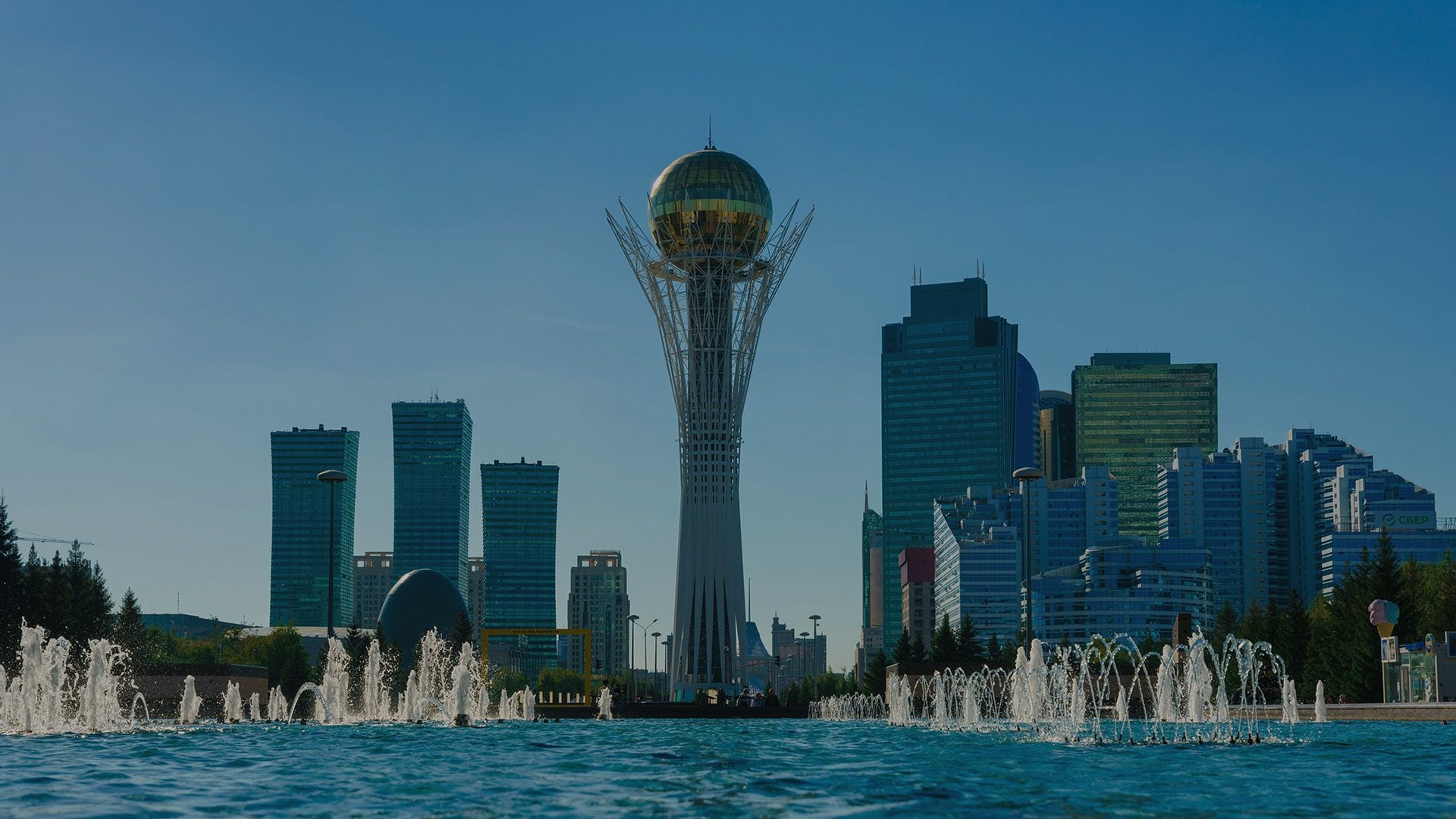
Out of a population of 18.6 million, approximately 186,000 people in Kazakhstan claim to be Protestant Christians. As we consider the Church today, we can gain insight by looking back in history to see how and when the gospel was first brought to Kazakhstanis. So, how did Kazakhstan get to this point?
HOW WAS THE GOSPEL BROUGHT TO KAZAKHSTAN?
Long before Islam became dominant in Central Asia, Christian communities traveled along the Silk Road into what is present-day Kazakhstan. But that early Christian presence largely disappeared as Islam spread across the region between the 7th and 14th centuries. For several hundred years, Christianity had little visible institutional presence among the Kazakh people themselves.
During the expansion of the Russian Empire in the 18th and 19th centuries, Orthodox churches were established throughout Kazakhstan. Alongside Orthodoxy came smaller Protestant communities — especially Lutherans, Mennonites, and Baptists among German settlers and other European minorities.
Protestant history in Kazakhstan is tied to suffering and exile.
During Stalin’s rule in the 1930s and 1940s, large numbers of Germans, Poles, Ukrainians, Koreans, and other ethnic groups were forcibly deported to Kazakhstan from other parts of the Soviet Union.
Among them were many Protestant Christians. These believers often arrived in labor camps or special settlements under brutal conditions. Churches were closed, pastors arrested, Bibles confiscated, and believers constantly surveilled by the Soviet state. Many Christians were forced to gather secretly in homes or underground networks.
Yet the church endured. In many ways, the suffering purified and strengthened it. Believers memorized Scripture because Bibles were scarce. Worship was simple, earnest, and costly. Even though evangelism was dangerous, the gospel quietly spread through personal relationships, hospitality, and perseverance under pressure. By the later Soviet period, underground evangelical networks existed across Kazakhstan despite official repression.
WHAT DOES THE CHURCH LOOK LIKE TODAY?
When the Soviet Union collapsed in 1991, Kazakhstan suddenly experienced a dramatic opening. Religious freedom expanded almost overnight. Churches could register publicly, and missionaries entered the country. Bibles were distributed widely, and new congregations were planted.
Today, Christianity in Kazakhstan exists in a complicated and sometimes fragile position. The majority of Christians belong to the Russian Orthodox Church and are ethnically Russian, Ukrainian, or Belarusian. Protestants make up a much smaller percentage of the population — likely around 1% or less. Over 65% of the population identifies as Muslim.
Protestant Christians face increasing pressure from the government. Kazakhstan officially promotes religious tolerance, but the state tightly regulates religious activity. Churches are required to register, religious literature is monitored, and unregistered gatherings can face fines or police raids. Christians can face surveillance, restrictions on children’s ministry, and pressure from local authorities.
Evangelism among Muslims is especially sensitive. For ethnic Kazakh converts from Islam, the cost can be deeply personal. Conversion to Christianity is sometimes viewed as abandoning Kazakh identity, family loyalty, or cultural heritage. Believers may face rejection from relatives, social isolation, or community pressure. Because of this, many Kazakh Christians worship quietly in house churches or smaller fellowships. Yet despite these challenges, there are reports of steady gospel growth.
HOW CAN YOU PRAY FOR THE CHURCH IN KAZAKHSTAN?
Many Kazakhs have never heard the truth of the gospel. Pray for the gospel to be shared clearly and for hearts to be open and accepting to the truth. Since leaving Islam is often costly, pray for new believers to be strengthened and encouraged in their faith. Pray for mature believers to have the opportunity to disciple new believers.
The church also needs more equipped leaders. Pray for Radical’s partnership with a local church’s internship program to be fruitful in its efforts to raise and train pastors.
While Christianity accounts for only a small part of the population, there are various denominations present in Kazakhstan. Pray for unity among believers and for the gospel to be at the center of all teaching. Finally, praise God for sustaining and strengthening believers in the midst of suffering, persecution, and trials.