
Praying for Iran’s New Day
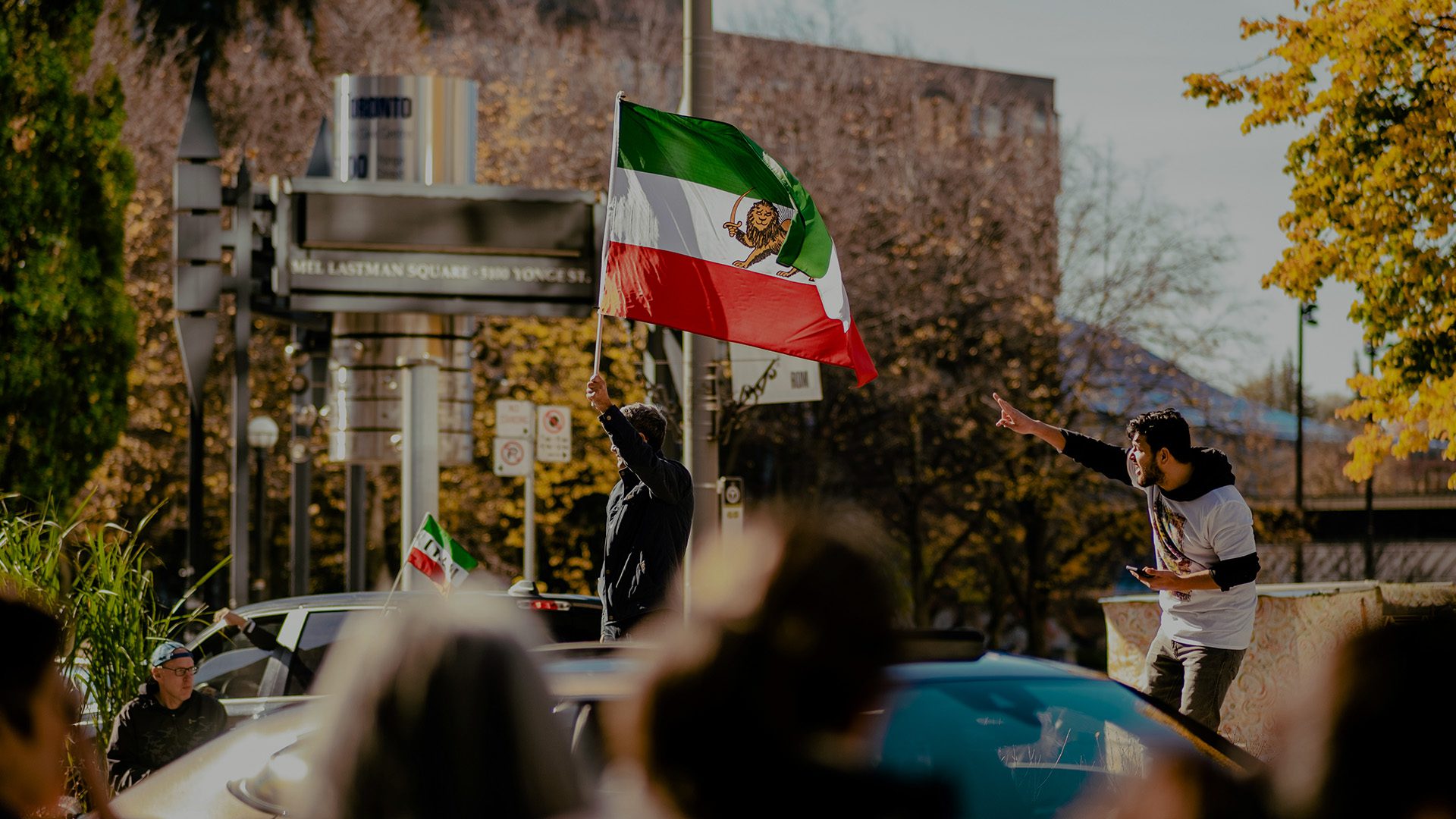
Nearly a half century after the Islamic Revolution reshaped Iran, the country’s supreme leader died in targeted military strikes, and Iranian believers prayed freedom was on the horizon.
Iranians living in exile poured into streets around the world to celebrate on Feb. 28, after strikes by the U.S. and Israel killed Iran’s Ayatollah Ali Khamenei and other top officials in the Iranian regime.
“There is hope that this could mark the beginning of real change, justice and freedom for our people,” said Sam Ahmadi, one of Radical’s Iranian partners.
There’s also plenty of uncertainty.
Inside the country, some Iranians also publicly celebrated, but others openly mourned the leader’s death.The moment brings a dramatic turn for Iran, but it’s unclear who will gain power, and how much freedom might follow.
The military operation also sparked a wider conflict, with Israel aiming at Hezbollah targets in Lebanon, and Iran aiming at targets in a handful of countries across the Middle East. It’s unclear how long the fighting will last, or how far the conflict might spread.
“Right now many Iranian believers have very mixed emotions, said Sam. “There is concern for families still inside Iran, communication is difficult, and no one knows what instability it might bring…People are worried about their loved ones.”
The concern is understandable.
FIVE DECADES OF OPPRESSION
During an internet blackout in January, Iranian authorities killed thousands of protesters in the streets, including at least 19 Iranian believers. It was the latest flare-up after decades of oppression by the Iranian regime.
Mark Tooley, president of the Institute of Religion and Democracy, wrote that the Iranian government has “retained complete power across nearly five decades through murder, torture, incarceration, corruption, and suppression of public conversation.” He believes “almost any alternative government will be less oppressive.”
The oppression has extended to Iran’s rapidly growing underground church. The regime has persecuted believers for decades and forbidden public worship. Hundreds have been arrested just in the last year.
Luke Harper, a regional strategist for Radical, said the severe persecution explains the relief and thankfulness many Iranian Christians feel over Khamenei’s demise. He cited real examples of the kinds of suffering Iranian believers have endured.
“If because of your faith you were subjected to a tyrannical force that arrested you, put you through sensory deprivation and questioning for a month, released you on extremely high bail with the threats of years of imprisonment, forcing you to flee your homeland for the rest of your life, what would be your response when the leader of this regime was killed?” he asked.
“If your father, a pastor who opposed this regime publicly, went missing only for his murdered body to be later discovered, what would be your response?”
Sam Ahmadi said that for many, the response has been relief and hope. “It’s not about celebrating death itself, but about longing to see the end of dictatorship and the possibility of a free Iran.”
A WORD OF COMFORT AND HOPE
That possibility remains an open-ended question for now, but some Iranians have still danced in the streets at even the possibility of such freedom from oppression—and perhaps even freedoms for the gospel. Luke Harper says he has a message for Iranian believers who have already endured so much:
“To my beloved Iranian brothers and sisters: You accepted the plundering of your property (Heb. 10:34). You endured pain while suffering unjustly (1 Peter 2:19). You entrusted your souls to a faithful Creator (1 Peter 4:19).
“Now we dance because our sovereign God has brought us a surprising providence that we were not promised in this life. We knew his justice would one day come, but he has blessed us to be able to see it in our lifetimes on this earth. We also dance for those who didn’t live to see this day but suffered greatly.
“We dance for them most of all.”