Why Plant a Church in a City Full of Churches?

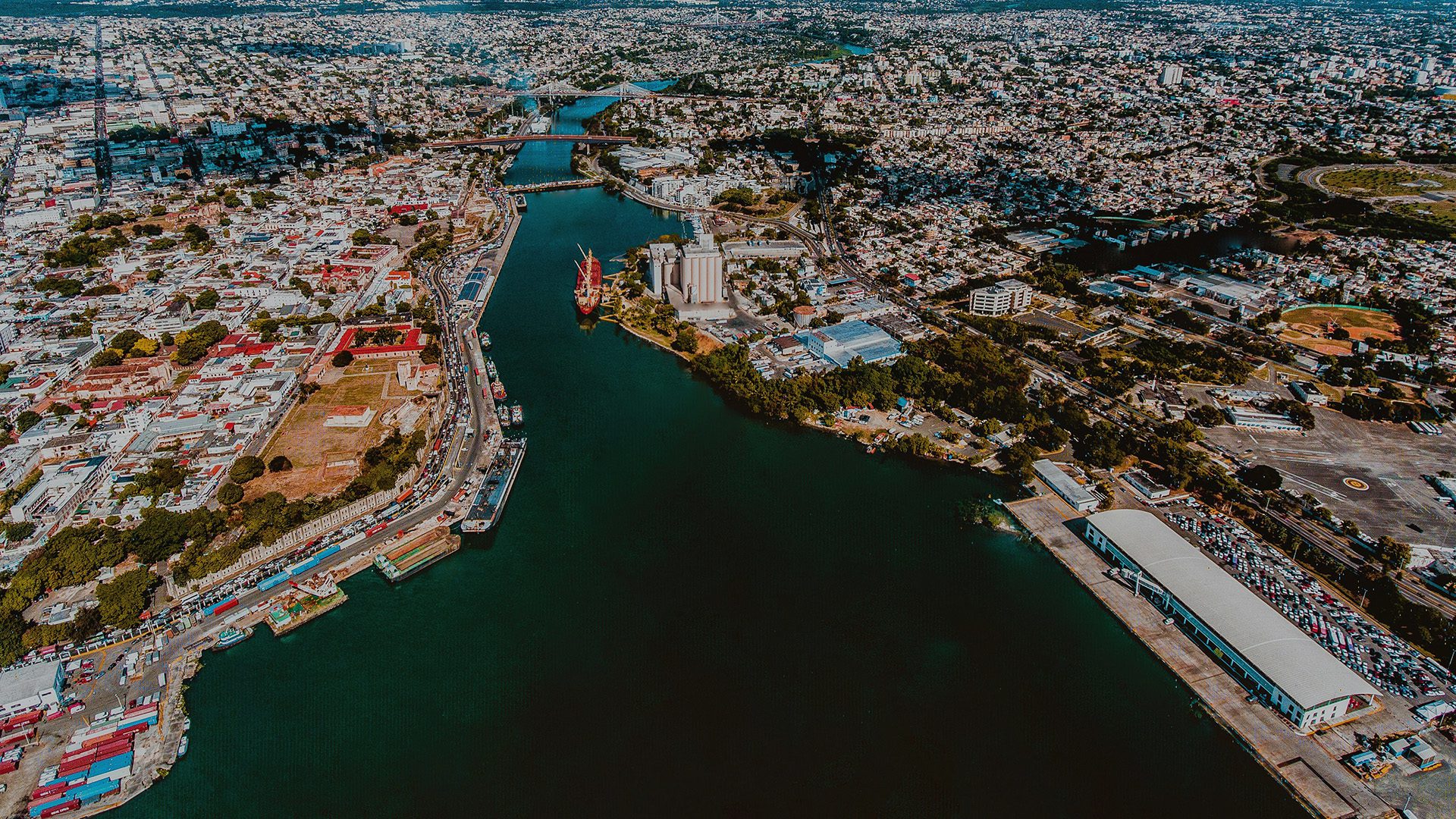
Our church will be turning four years old in just a few weeks. For the couple of hundred that are serving every week, there’s no denying that the grace of God is with us in a very special way. We do not take it for granted, and we present ourselves before the Lord before every meeting, so that we can be of service to him in his plans to reach and transform the people of Santo Domingo.
Yet this is a prayer that five years ago would have sounded impossible for me, as I had everything prepared to be everywhere but here. I was convinced that this city had enough churches, and I was supposed to be elsewhere. Let me show you how the Lord convinced us, in the hopes of serving you as you seek to follow his will for you.
A MATTER OF TIMING
I first felt the call to plant over a decade ago, and my wife and I immediately got to work. We prayed, we surveyed, and our thoughts led us to one specific country and two possible cities. We spent some time working with churches there and started planning our moves.
And then the Lord closed the door.
Through adversity and opportunity, he made clear to us that we were not to leave our country or focus on church planting for the time being. So while we waited, we deepened our roots in our local church, we worked on building relationships and making disciples, we strengthened our family, and made key financial decisions. Though it was not the time to plant, we needed to prepare the field.
This is a key insight that I often need to remind aspiring pastors and church planters all throughout the continent. As Francis Schaeffer famously put it: The Lord’s work needs to be done in the Lord’s way. There’s wisdom in waiting for him to open the door—even when it doesn’t where you thought it would.
A MILLION REASONS
As he’s prone to do, the Lord used our pastors and our church to let us know it was time to talk about church planting again. We once again thought outside our zip code, and once more the doors didn’t seem to open. But before I forced open a window, I noticed the seismic demographic shift that had occurred around me while I hadn’t been paying attention.
As we’d been preparing and praying about other cities and countries, our city had grown by about a million people. In that same timeframe, only a handful of gospel-preaching churches had been planted. The Bible doesn’t give you an average of, let’s say, 1 church per 1000 people, but there’s no doubt that 5 to 10 new churches per million souls is nowhere near enough.
And new churches are simply more effective in reaching the unreached. Both studies and experience show that younger adults are drawn to newer congregations. One important reason: as churches age, they tend to solidify patterns—worship rhythms, preaching emphases, leadership culture—that mirror the instincts of those who have long held influence and resources. These patterns become the default, entangling the churches in struggles that distract from the mission and that are heard as noise from outsiders.
A HIGHER CAUSE
The fact that our church plant exists in a city that already had established, gospel-preaching churches (including our sending church) allowed us to focus on reaching the lost from our first service. There’s no pressure, for example, to appease an established membership with a predetermined style. And it allows us to serve the other churches in our city, as we become guinea pigs.
Whilst staying grounded in the Scriptures and the Creeds, I can instruct our church to experiment with liturgies, forms, and ministries in order to become “all things to all people, that by all means I might save some…all for the sake of the gospel, that I may share with them in its blessings.” (1 Corinthians 9:22-23)
Slowing down and taking a closer look at the circumstances of my city helped me reconsider some of my assumptions. At the end of the day, we don’t need more church buildings; we want to make the name of Christ known in all nations, through the formation of new disciples. And new churches are the most effective way to make that happen.
And in all honesty, planting a church will always be outside of your comfort zone, no matter the zip code.