How Did the Gospel Get to Libya?


Pray for the Word of God to be known in Libya
Pray for Libya
Invest in Libya
Invest in LibyaOut of a population of 6.8 million, an estimated 36,000 people in Libya claim to be Christians. As we consider the Church today, we can gain insight by looking back in history to see how and when the gospel was first brought to Libyans. So, how did Libya get to this point?
HOW WAS THE GOSPEL BROUGHT TO LIBYA?
Gospel roots in Libya trace back to the first century, and we see traces of this throughout the New Testament. In Acts 2, Jews from the region of Cyrene, a major city in eastern Libya, were present in Jerusalem on the day of Pentecost. They heard the apostles proclaim the gospel in their own languages, and many believed. It is likely that some of these new Christians returned home, carrying the message of the gospel back to North Africa.
Another significant figure from Libya is Simon of Cyrene, the man who carried Jesus’s cross on the way to his crucifixion (Matthew 27:32; Mark 15:21; Luke 23:26). While Scripture does not explicitly say Simon became a believer, later references to his family suggest they may have become part of the early Christian community.
In the days of the early church, Cyrene became a fruitful center of gospel ministry. Acts 11 tells us that believers from Cyprus and Cyrene traveled to Antioch and boldly preached the good news to Gentiles, leading to many conversions. In the following centuries, Christianity spread throughout Roman Libya, with churches established across the region and leaders contributing to the life of the wider church.
In the 7th century, the Arab conquests brought Libya under Muslim rule, marking a major turning point for Christianity. Over generations, Islam became the dominant religion, and many Christians converted. Sometimes out of genuine conviction, and sometimes because conversion removed social and economic disadvantages.
WHAT DOES THE CHURCH LOOK LIKE TODAY?
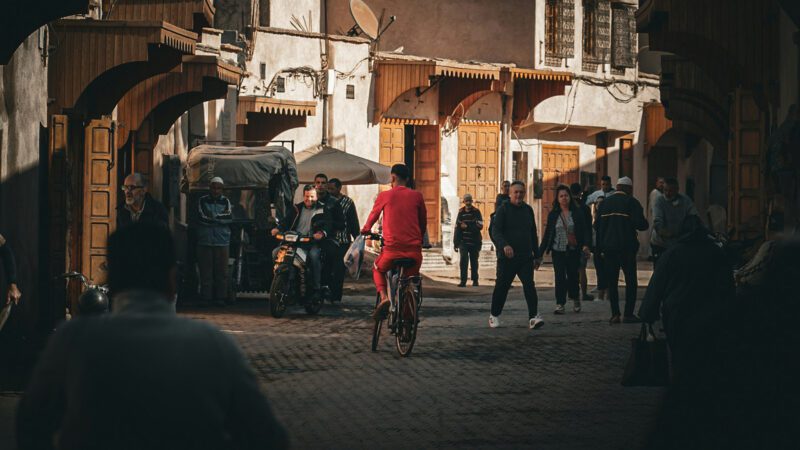
Today, 97% of Libya’s population identifies with Islam. Only an estimated 3% claim to be Christians. Nearly all visible Christians in Libya are foreign workers from countries such as Egypt, sub-Saharan Africa, and the Philippines. These believers typically gather in a handful of churches in larger cities, often under significant restrictions.
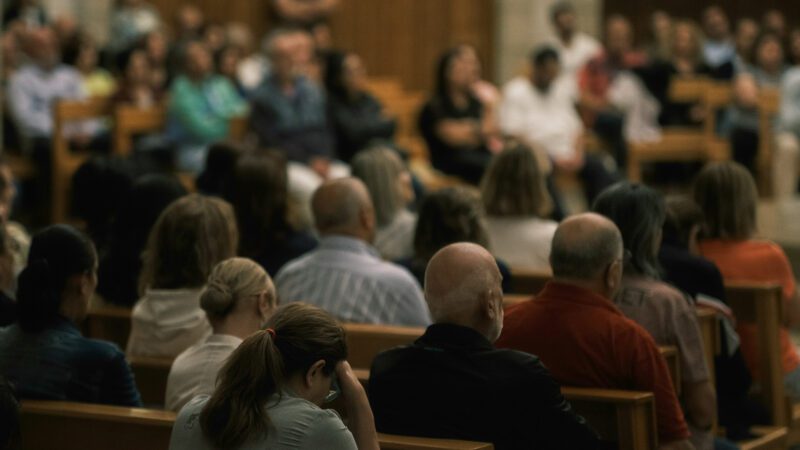
Libyan Christians from a Muslim background make up a very small, largely underground church. Because of the risks involved, they usually meet in secret and worship in small groups or individually. Converting from Islam to Christianity can lead to pressure, exclusion, and persecution from families, communities, or armed groups.
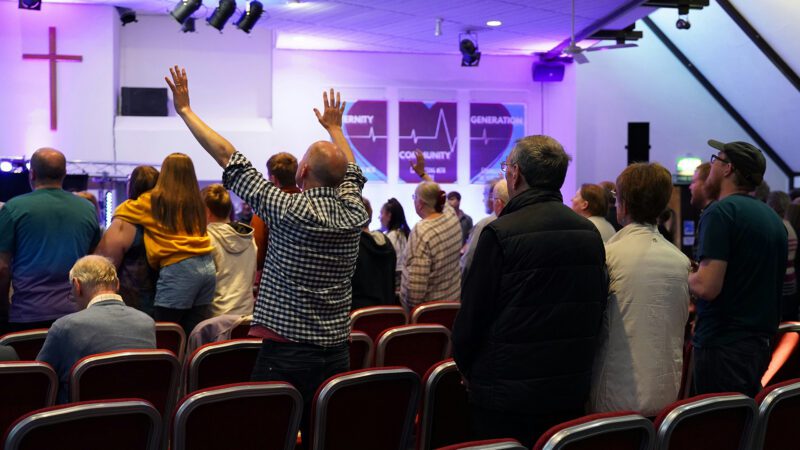
Public evangelism is prohibited. But despite decades of political instability, civil conflict, and restrictions on religious freedom, the gospel is continuing to spread, primarily through personal relationships, Scripture, and online ministry.
HOW CAN YOU PRAY FOR THE CHURCH IN LIBYA?
With a majority Muslim population, most of the Libyan population is unreached. Pray for the gospel to spread and for those who hear it to know Christ as the one and only true Savior. Pray for the safety of believers as they testify about Jesus. Also, pray for Christians to one day have the legal freedom to evangelize in Libya.
Pray for Radical’s efforts to help reach Libya and the surrounding region with the gospel through online outreach. One project uses online ads to share the gospel and messaging to connect seekers with believers to have evangelistic conversations. Pray for more disciples to be made and churches planted in Libya and the rest of North Africa.
Many Libyan believers are isolated and face persecution from their communities. Pray for their encouragement, safety, discipleship, and fellowship. Pray for the peace of the Lord to comfort them.
For years, various sectarian groups have been fighting for political power in Libya. Pray for peace and stability in the country and for those in the midst of violence to know the true peace that comes from Christ alone.