How Did the Gospel Get to Egypt?

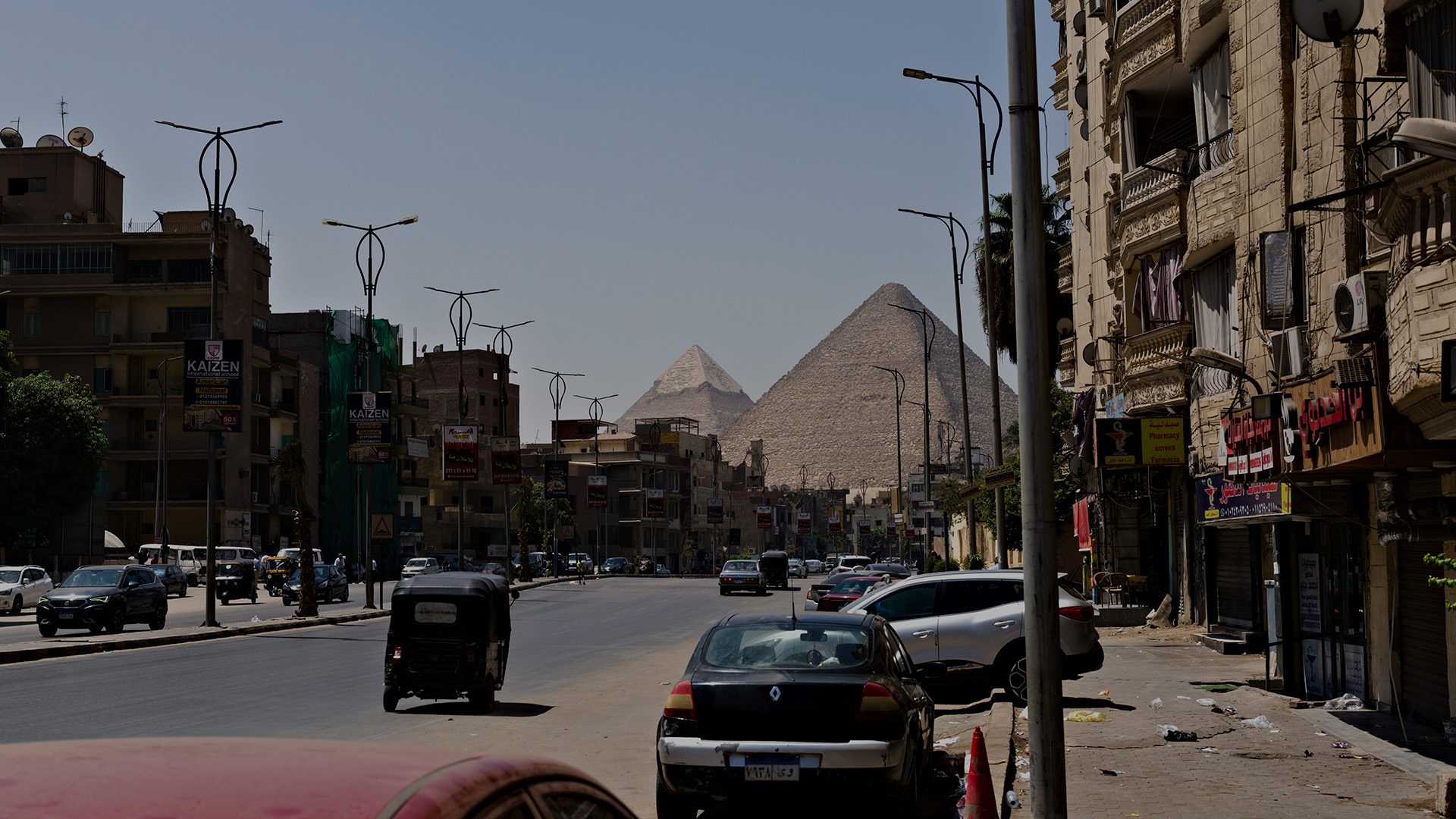

Pray for the Word of God to be known in Egypt
Pray for Egypt
Invest in Egypt
Invest in EgyptOut of 118 million people, 11 million in Egypt claim to be Christians. As we consider the Church today, we can gain insight by looking back in history to see how and when the gospel was first brought to the Egyptians. So, how did Egypt get to this point?
How Was the Gospel Brought to Egypt?
Throughout the book of Acts, we see evidence of Egyptians hearing the gospel. When the Apostle Peter preached the gospel at Pentecost, the Egyptians were among the many visitors in Jerusalem (Acts 2:10). In Acts 18, we meet Apollos—a native of Alexandria, Egypt, and a key leader of the early church.
Today, about 10% of Egyptians identify as Christians.
Less than two decades after Jesus’ resurrection, the gospel writer Mark was likely sent by Peter to preach in Alexandria. Years after his arrival, he was arrested in Egypt and martyred. Today, Mark is recognized as the first bishop of Alexandria and one of the key leaders in bringing Christianity to Africa.
Soon after a gospel presence began to take root in Egypt, the country became a hub for Christian theology with prominent Egyptian theologians like Athanasius and Cyril of Alexandria. But the Church also faced challenges like the Egyptian church leader Arius, who claimed that Jesus did not eternally exist but was made by God. This heresy eventually led church leaders to write the Nicene Creed. The Egyptian church later became known as the Coptic Church—a branch of Christianity similar to the Roman Catholic Church.
In the 7th century, the Egyptian church faced another struggle when Islam arrived during the Arab Conquests. After Arab armies conquered Egypt, the region became part of the broader Islamic rule in the Middle East for centuries. This ingrained Islam into Egyptian culture, and it remains the majority religion today.
Near the end of the 18th century, Protestantism began to take root in Egypt. Protestant missionaries arrived and began teaching the Bible, planting churches, and starting a theological seminary.
What Does the Church Look Like Today?
Today, about 10% of Egyptians identify as Christians. Most of that percentage is part of the Coptic Orthodox Church. Only one percent of Egypt’s population identifies as Protestant Christians. Meanwhile, about 90% of Egyptians identify as Muslim.
There have been some efforts to bring solid biblical teaching to Protestant churches, but there is still limited access to healthy churches with firm, theological foundations.
Since 1980, Islam has been the state religion of Egypt. While there is religious freedom in Egypt, societal and family pressure can make it difficult for someone to convert from Islam to Christianity.
Over the past few decades, the Protestant church has faced doctrinal decline, a rise of the social gospel, and a decline of expository preaching. Thankfully, there have been some efforts to bring Reformed doctrine and solid biblical teaching to Protestant churches, but there is still limited access to healthy churches with firm, theological foundations.
How Can You Pray for the Church in Egypt?
With such a small Protestant presence, we can pray for missionaries to be sent and church leaders to be raised and trained. We can pray for gospel seeds to be planted so that we may see new disciples made and church growth in Egypt. We can also pray for sound theology, expositional preaching, and access to gospel-based resources and teaching so that the Egyptian church may establish a firm foundation.
In a majority Muslim country, we pray that believers may be bold in their witness as they hope to share the gospel with their Muslim neighbors. We pray for Muslims converting to Christianity to be protected and filled with peace.