Mobilizing God’s Army for the Great Commission

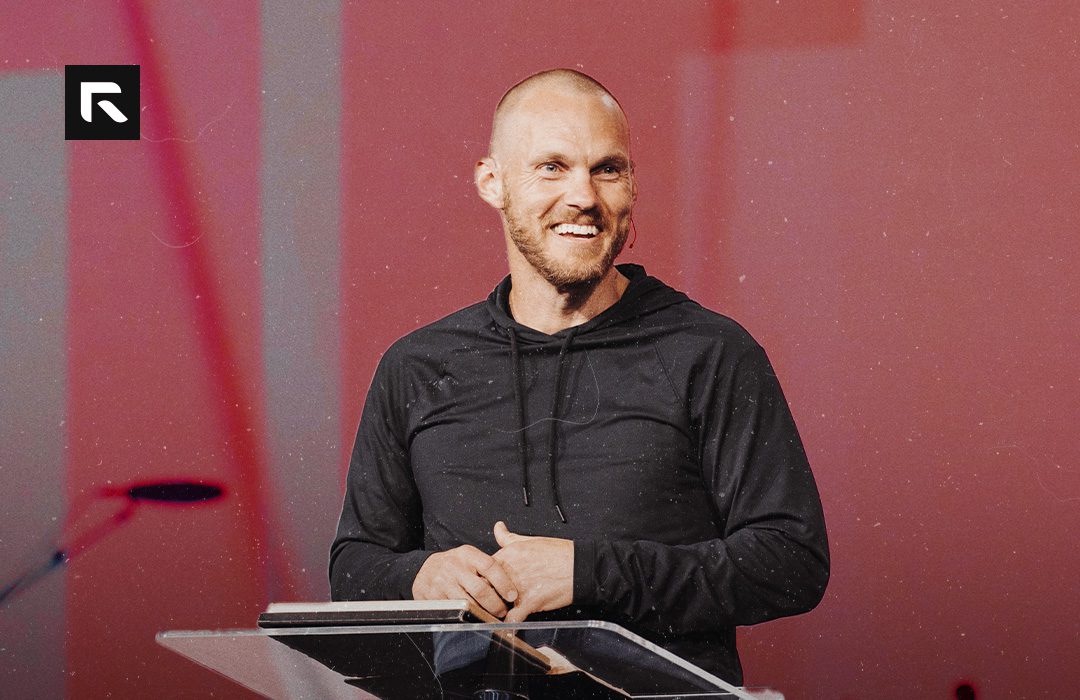
What is the purpose of our lives? In this sermon at CROSSCON 2023 on Romans 15, David Platt urges us to obey the Great Commission and mobilize Christians to be missionaries. He explains how the globalization of today’s marketplace can mobilize working Christians to share the gospel with people around the world. Although we are all sinners, God has saved us and called us His children. His glory is great and it is our job to share it with the world. We must trust God with our entire lives and follow where he leads.
- What is a Missionary?
- Mobilizing Christians to Spread the Gospel
- The Glory of God’s Grace
- Trust God to Lead You
Transcript
The following is a lightly edited transcript provided by a transcription service. Please check the video before quoting.
Mobilizing God’s Army
I want to start tonight by praying for what is about to happen in the next few minutes in this room. Acts 13 tells us that while the church at Antioch was worshiping and fasting and praying, the Holy Spirit said, set apart Barnabas and Saul for the work to which I have called them. I’ve often wondered how that happened exactly.
How did the Holy Spirit say that? I don’t know the answer to that question, but I do know that as a result of what the Holy Spirit said on that day, a missionary movement was born that led to the spread of the gospel throughout the known world in the first century.
Many other people have been praying for a long time for this night that God and His grace and by spirit might see fit to set apart men and women all across this room on this night for the spread of his gospel to those who’ve never heard it.
So just so you know where this is all going tonight, the end of our time in the Word, I’m going to invite people all across this room to stand and in standing you’ll be saying before God, inspired by the word Informed, by the word, inspired by the gospel.
I resolve tonight to communicate to my church my desire to go as a missionary to cross cultures and spend my life for the spread of the gospel. So I want to be clear that I’m not calling you today. I’m not calling you to move tomorrow to the Middle East. I’m not calling people to make a rash vow based on unjust emotion. I’m not calling you to make this decision alone.
Go To Your Church
That’s why I want to emphasize that what you’re resolving tonight is to go to your church. Now, if you don’t have a church, then I would imply maybe joining a church, not maybe I would imply joining a church or if you’re wondering, okay, what does it mean to go to my church? What does that look like? What does that mean?
I talk to you, I don’t want you to get caught up in that tonight. The goal tonight is to move from this room to a church where you’re going to say, I want to be sent. I want to be sent as a missionary, as one who crosses cultures to spend my life for the spread of the gospel. So that’s the moment toward which all of this is headed. And so I want to pray now in anticipation of that moment, but even before we pray, I want to call
We are All Followers of Christ
Every single follower of Christ in this room, every one of us, students, leaders, pastors, plenary, speakers, every single one of us to right now put a blank check on the table before God with no strings attached and say, whatever you want me to do, I’ll do. And wherever you want me to go, I’ll go.
No matter what that means, no matter what that costs, no strings attached to say to God with open hands, are you setting me apart? Are you redirecting tonight my future, maybe my family’s future toward life among the nations?
So are you, bow your heads with me and want to lead us in prayer before God. To that end, our Father in heaven, hallowed be your name in all the earth we’re praying cause your name to be made known as holy on all the earth. Your kingdom comes.
We want, we want your kingdom to coyouyour will be done. We want your will to be done in our lives our families and our future on this earth as it is in heaven. So we pray that in the next few moments, you will speak clearly to us by your Spirit, through your word
God, that you would keep the adversary from distracting us, from hearing your voice, from doubting you. When we hear your voice ving us into thinking that your voice cannot be trusted, help us to hear you clearly. It helps to obey you completely no matter what you say, no matter what that means because we trust you, we worship you, we pray.
Oh God, we pray that in the next few moments, you would set apart men and women to stand in this room in the same way you set apart Paul and Barnabas to go 2000 years ago and that the nations might feel the ripple effects of what your spirit does right now in the name of Christ. We pray for these things. Amen.
All right, you ready? If you have God’s word, hope you do. Let me invite you to open with me to Romans chapter 15. Romans chapter 15. So as we conclude these days of studying this word together, I want to do something that I had no design of doing when I came here this week.
But as I’ve sat in this room and I have heard God’s word and sensed God’s spirit moving in clear ways, my mind and my heart have been drawn to this book in particular that we’ve heard sermons from references over and over and over again.
So we’ve heard Paul’s words quoted, read, and referenced starting in Romans chapter 15, verse 18 when he summarizes his ministry there. We’ve heard this on a variety of occasions. So just one more time, look at verses 18 to 21 with me. Romans 15,
Obey God’s Word
Paul says I will not venture to speak of anything except what Christ has accomplished through me to bring the Gentiles to obedience by word and deed by the power of signs and wonders, by the power of the spirit of God.
So that from Jerusalem and all the way around to a lyric, I have fulfilled the ministry of the gospel of Christ and thus I make it my ambition to preach the gospel not where Christ has already been named unless I build on someone else’s foundation. But as it is written, those who have never been told of him will see and those who have never heard will understand.
So this is Paul expressing his calling to be a missionary, to spend his life crossing cultures for the spread of the gospel among unreached people. And this is key. John mentioned this the other night in his discussion with Mark up here, but this is Paul saying, I want to go to regions where the gospel is not.
He said in verse 19, I fully proclaim the gospel from Jerusalem to a lyricist as a result. He says down in verse 23, there’s no more work to do here, which is a very strange thing to say. Paul looks around at Corinth and Ephesus and Crete and he says, no more work to do here.
So I’m moving on. So did that mean that everybody in Corinth, Ephesus, Crete, and these cities have been saved? Did that mean everybody in those cities had heard the gospel? No. What it meant was that the church had been planted in those cities.
Paul in the New Testament
The gospel had been proclaimed, disciples had been made, the church had been founded and work was going on. So Paul was moving on, but we know from the rest of the New Testament that there were other people that Paul himself told to stay in those places. Paul told Timothy to stay and shepherd the church at Ephesus.
He told Titus to stay in Crete. So the picture you’ve got in the New Testament is some Christians staying under the sovereignty of God in certain places that have already been reached with the gospel. Remember there were other leaders at the church at Antioch.
The Holy Spirit didn’t set apart to go but to stay there. So you’ve got some Christians staying in the church, even the city where they came to Christ. Then you’ve got other Christians like Paul, some of his companions, and others who were moving to other cities and regions to start the church.
And it’s not because Paul is being obedient and everybody else is disobedient, but because God is calling his people to carry out this mission in different places among different peoples.
And so this is where I want to be really, really careful tonight in no way to imply that those who don’t move to live as a missionary among unreached peoples, that those who stay seated in a moment while others stand if you’re sitting at that moment because you’re not sensing the Lord leading you to pursue confirmation and church as a missionary, the last thing I want you to think is that you are second class in the kingdom of God.
The ultimate issue is not whether you are sitting or standing at that moment. The ultimate issue is whether you are obeying in that moment, and for some of you, obedience will mean sitting and for others of you, obedience will mean standing.
But for all of us, obedience will mean setting the trajectory of our lives regardless of where we live toward praying and giving and working and longing and laboring for the spread of the gospel to those who’ve never heard, whether they do that from Birmingham, Alabama or Behar India or anywhere in between.
That’s the whole reason why Paul wrote the book of Romans in the first place. Keep going to verse 22. He says, this is the reason why I have so often been hindered from coming to you, but now since I no longer have any room for work in these regions, and since I have longed for many years to come to you, I hope to see you in passing as I go to Spain and to be held on my journey there by you once I’ve enjoyed your company for a while at President, however, I’m going to Jerusalem bringing aid to the saints.
Understanding the Book of Romans
Now I want to give you a little historical background here that will hopefully help you understand what’s going on here in the book of Romans. So look at a map up here on the screen with me that will illustrate Paul’s missionary journey.
So if you look it’s really small, you’re not going to be able to read the type, but you can hopefully see red lines and blue lines coming out. If you look at the far right of this map, where those red and blue lines arrows can intersect is Antioch, and that’s where in Acts 13, the Lord said, set apart from me, Psalm Barnabas for the work to which I’ve called them, and then the Blue Arrows show Paul and Barnabas going out together on their first missionary journey.
So you see them, they go south down there to Cyprus and they go north and you see them traveling and then the red arrows represent their coming back. So they were sent out by Antioch and then where did they come back to at the end? This is the audience participation part of our program. So they were sent out from Antioch and they came back to Antioch. So they came back, they encouraged the saints there, built them up, and then the Saints sent Paul out again on a second missionary journey.
Look at this next map with me. You’ll notice Paul again, Antioch is on the far right portion, middle right portion of this map. He goes north into some of the places he had gone before and then he gets this Macedonian call and vision to come over here and help us.
And so he goes north into Macedonia and he goes to places like Thessalonica and Corinth. He comes down to Ephesus and he makes his way down to the bottom right of that map, which is Jerusalem, and then he goes back to what city?
Paul’s Missionary Journies
Antioch. He goes back, that’s his home base. It’s sent him out and he goes back and he encourages the saints there at the end of his second missionary journey. Now look at this next back with me, his third missionary journey.
You’ll notice Paul goes out again from Antioch, he’s retracing his steps, he’s encouraging these churches where he’s been and it’s on this missionary journey. When he gets to Corinth up in the top left quadrant of that map, he gets to Corinth and he writes this letter to the church in Rome and he says, I’m going down to Jerusalem.
You see him going down to Jerusalem. That’s where he is headed, the bottom right corner of that map. But you’ll notice where he is not going back to Antioch. The question is why? Why is he not going to go back to Antioch? Well, let me show you one more map, hopefully giving a little perspective.
If you look at this map, what you’ll see in the very middle, is a little red dot and it stands for Rome. And when you look over to the right, you’ll see far right, you’ll see Antioch and Jerusalem again. And then right between those you’ll see a little red dot that is Corinth and the picture is Paul’s Corinth home base has been Antioch, but Paul wants to not go back to Antioch, he wants to go and take the gospel to Spain.
He says I want to go to Spain. And so he writes to the church in Rome to say, I want you to help me get there. If he’s going to Spain, is going back to Antioch going to be the best way for him to get to Spain? No, he’s looking for another church to help him get the gospel to Spain.
So Paul writes this letter from Corinth to Rome with Spain in his view saying, I want you to help me get to Spain. In that sense, Romans is like missionary support letters that sometimes people who are serving overseas send out and they say, well, maybe if you’re going on a short-term mission trip or mid-term or long term, whatever it might be, and you send out a letter saying, Hey, will you pray for me and if the Lord leads, would you give to help make this happen?
Romans is one big fat missionary support letter. I’ve never seen one this good outside of it, but Paul’s writing this book to encourage them to take the gospel to the nations. Okay, done with the maps for a minute. Paul wants the whole church involved in this thing, so follow this. He’s writing to the church in Rome saying, all of you are not called to be missionaries with me and move from Rome into Spain.
And instead he said, I need you to help me on my journey there to send me out, maybe some of you, some of you to be sent with me, but all of you to join me in an effort to get the gospel to Spain because they’ve never heard the gospel in Spain.
Paul wants them to pray with ’em just like in Romans chapter 15 verse 30, he urges them to praise. He goes to Jerusalem, he wants them to strive together with him in prayers to God. Paul wants them to give to him. T
the implication of verse 24 that we read just a second ago is that Paul is hoping they will help him financially in getting the gospel to Spain. Which side note here, but I believe an important one, we need to realize that missions in the New Testament were funded in a variety of ways.
Even with Paul, sometimes he was providing for himself. Other times he was leaning on help from other churches, and I just want to mention this in passing because I believe this needs to be a huge factor as we consider going in this room.
So many people when they think missionary, think fully financially supported gospel worker, which is good, just how many missionaries are serving around the world and will serve around the world in the days to come, giving themselves full-time to make disciples, multiplying churches and other cultures and receiving or raising full financial support from senders to do that.
But then there’s other pictures of missionaries that are also possible, partially supported or even self-supported missionaries who have some sort of income stream wherever they’re serving as a missionary. If we want to blow the lid off the number of missionaries going to unreached people, we’ve got to expand our paradigm big time.
The Gospel Spreading Through Acts
This is how we see the gospel spreading throughout acts. Even the passage that Matt mentioned last night in Acts chapter eight after Stephen was stoned, the Bible tells us that everyone in the church except the apostles scattered from Jerusalem and took the gospel into Judea and Samaria.
Do you know who started the church at Antioch that sent out Paul and Barnabas on this missionary journey? It wasn’t Paul, it wasn’t another apostle, it was just unnamed ordinary Christians who were scattered after the persecution of Stephen.
It’s the same story we see in the pages, the following as men and women hear the gospel in places like Ephesus where Paul is preaching as they’re traveling through, they hear the gospel on business, they’re hearing the gospel, and then they take the gospel on business from Ephesus throughout all of Asia Acts chapter 19 says, as workers with different vocations going into different locations, without question, this is a significant way that the gospel is going to spread to 6,000 plus unreached people groups today.
You don’t get into most of these people groups with missionary visas on your passport. You don’t go to Saudi Arabia and say, howdy, I’m called to be a missionary and convert Muslims to Christianity. Missionaries in that sense can’t get into Saudi Arabia, but do you know who can?
Followers of Christ with all sorts and all sorts of business fields who can travel periodically to Saudi Arabia who can move there and work there and in the process bring the gospel there. Do you realize that there are about 6 million Americans living abroad right now and estimates are that about over a million of those Americans are evangelical Christians, followers of Jesus?
Do we realize what a powerful mission force this can be in the world? So this is why even when we talk about missions and being a missionary, we don’t need to just think, okay, well that means I’m going to quit school, leave my job, and throw it all away to reach the nations.
No question is there a way that my education, my job, and my skills can be used to make the gospel known in one of the neediest places in the world. If we really want to reach all the peoples of the world with the gospel, it’s going to happen in large part on the wings of workers, men and women with jobs who stop assuming that they should teach or program computers or manage or do accounting or do sales or practice medicine among the rich.
But workers who default to the fact that there are this many people, and groups around the world who’ve never even heard the gospel, then maybe God has given us an education, a job, and skills to reach them. What if God has designed the globalization of today’s marketplace for the spread of his gospel through the sending of his people as workers around the world for the glory of his name?
What is a Missionary?
You say, is that a missionary? Absolutely it is. You’re crossing cultures to spend your life doing whatever you do for the spread of the gospel among unreached people. So come back to Romans 15 here, Paul’s writing in the church, the whole church, and he’s saying, let’s work to get the gospel to Spain, and he starts listing all their names.
Go to the next chapter, chapter 16, and look down at verse three. Paul writes, greet, Prisca and Aquila, my fellow workers in Christ Jesus who risk their necks for my life to whom not only I give thanks, but all the churches to the Gentiles give thanks as well.
Greet also have the church in their house. Greet my beloved Eita, who was the first convert to Christ in Asia. Greet Mary who has worked hard for you. Greet anus and gene, my kinsmen, my fellow prisoners. Well-known to the apostles and they were in Christ before me.
Greet implies us, my beloved in the Lord, greet urbanist, our fellow worker in Christ my beloved’s Status, greet Pelus who is approved in Christ. Greet those who belong, to the family of aristo, greet Mike Kinsman Harod, greet those in the Lord who belong to the family of narcissists. Greet those workers in the Lord.
Trina and Tfoa, greet the beloved purses who have worked hard in the Lord. Greet Russ, and choose the Lord. Also, his mother has been a mother to me as well. Greet a variety of other people that we don’t know how to pronounce their names and you’re just enjoying seeing if I can do it. Greet ’em all with a holy kiss.
Like you see this list of people. There are 26 of them mentioned here, 26 different people who are playing different roles and doing different things in the mission of the church. You got the Prisca and Aquila couple who served with Paul in Ephesus, now living in Rome. You got Eita the first to come to Christ in Asia and another couple who was in prison for Christ alongside Paul. You have men, women, families, households, single married, young, old, rich, poor. You got Rufus and his mom,
All kinds of different people are brought together by the person of Christ and united together in the mission of Christ. And Paul sang to them all together, we need to get the gospel to Spain and that’s going to involve different people doing different things, praying and giving going, working to get the gospel to those who’ve never heard.
So that’s the picture I’ve got in my mind. I’ve had in my mind all week we’ve been sitting in this room, different people, unique gifts, unique passions, unique skills, unique opportunities. And the picture is us together saying, let’s get the gospel to unite people with over 6,000 unreached people groups.
That’s going to involve many of us going to make disciples of Christ as missionaries in culture, and that’s going to involve others of us making disciples where we live now and praying, giving, supporting, and standing with all those whom God sets apart to go.
An army of God’s people mobilized for the great commission. So here’s the question I’ve been asking in anticipation of tonight. How do you then mobilize God’s people in light of this great commission to give our lives to it? How do you mobilize people to go totally against the grain of our culture?
And really in some ways totally against the grain of our church culture to willingly lay down your life, to gladly put aside your possessions, to freely spend yourself for the sake of unreached peoples? How do you bring people to have that kind of resolve?
And this is where Romans are so instructive. Paul wants to get the gospel to Spain where they’ve never heard, but notice what he does not do in this book. Paul does not write a letter in which he tells them about all the needs in Spain and about various stories of these people or that village. Instead, he writes a letter that gives them quite possibly the most potent picture of the gospel that we have in all of the Bible.
Maybe Mack is right, maybe this missionary call first and foremost is informed by God’s word and inspired by God’s gospel. And maybe just maybe if the Lord might bring us to a deeper reverence for this word tonight and a deeper love for this gospel tonight, then the inevitable result would be a death-defying resolve to go to unreached people no matter how difficult or dangerous they might be. So I’m going to bank on that.
I want to invite you to turn to Romans one with me. There was a day when the people of God revered the word of God. They would gather together in scenes like we see in Nehemiah chapter eight. All that would take was the word of God being opened up and immediately everybody would stand to their feet.
Not only would they stand, but as the word was read, they would raise their hands in worship as the word was read, they would cry out. Amen. Amen, amen. Nehemiah eight says, that as the word was read, the people would bow down in worship with their faces to the ground, all out worship in response to the written and declared word of God.
2,500 or so years later, things have changed. What do we equate those kinds of actions today within our worship people standing, raising their hands, calling out maybe if they’re extremely bowing down with their faces on the ground? When do we do these things? We do these things when the music starts right? And all it takes in our day in our generation is the strum of a guitar and we’re on our feet and we’re lifting our hands, we’re shouting out. Is that a bad thing?
What Inspires the Worship of God?
Absolutely not. Nehemiah chapter 12, verses 27 through 47 is an incredible picture of musical worship. But the question I want to ask is, what if we were a people, a generation who responded to God’s word like that?
What if all it took was the proclamation of the pure and powerful word of God to bring us to our feet, send our arms into the air cause us to cry out, and even bow down unashamedly in the assembly with our faces to the ground, not thinking about what people might perceive but provoked to lie prostrate before the God of this word. And what if all it took was the word of God to inspire the worship of God?
What if God’s word had that kind of authority among us? What if God’s word roused that kind of affection in us? What if we loved God’s word like that? What if we revered it honored it and submitted our lives to it like that? So tonight I want to invite you to hear the word of God and as you hear it, to respond to it, whether that’s sitting, standing, lifting your hands in worship, and crying out, amen, amen. Or bowing down with your faces to the ground.
Romans chapter one says, that Paul, a servant of Christ Jesus called to be an apostle and set apart for the gospel of God. The gospel he promised beforehand through his prophets, through his holy scriptures regarding his son who has to His human nature was a descendant of David and who that the spirit of holiness was declared with power to be the son of God by the resurrection from the dead, Jesus Christ, our Lord.
Through Him and for his name’s sake, we receive grace and apostleship to call people from among all the Gentiles to the obedience that comes from faith. And you also are among those who are called to belong to Jesus Christ, to all in Rome who are loved by God and called to be saints, grace, and peace to you from God our Father and from the Lord Jesus Christ. First I thank my God through Jesus Christ for all of you because your faith is being reported all over the world, God whom I serve with my whole heart in preaching the gospel of his son is my witness.
How constantly I remember you and my prayers at all times and I pray that now it lasts by God’s will the way they may open for me to come to you. I long to see you, so I may impart to you some spiritual gift to make you strong.
That is you and I are even mutually encouraged by each other’s faith. I do not want you to be unaware brothers that I have planned many times to come to you but have been prevented from doing so until now in order that I might have a harvest among you just that I’ve had among the other Gentiles.
I am obligated both to Greeks and non-Greek, both to the wise and the foolish. That is why I’m so eager to preach the gospel also to you in Rome, I am not ashamed of the gospel because it is the power of God for the salvation of everyone who believes.
The Righteousness of God
For in the gospel, a righteousness from God is revealed, a righteousness that is by faith from first to last, just as it is written, the righteous will live by faith. The wrath of God is being revealed from heaven against all the godlessness and wickedness of men who suppress the truth of God by their wickedness. It’s what may be known about God is plain to them because God has made it plain to them since the creation of the world.
God’s invisible qualities, eternal power, and divine nature have been clearly seen being understood from what has been made so that men are without excuse for although they knew God, they neither glorified him as God nor gave thanks to him. But their thinking became futile and their foolish hearts were darkened. Although they claimed to be wise, they became fools. In exchange the glory of the immortal God for images made to look like mortal man and birds and animals and reptiles.
Therefore, God gave them over the sinful desires of their hearts, the sexual impurity for the degrading of their bodies of one another. They exchanged the truth of God for a lie and worshiped and served, created things rather than the creator who is forever praised. Amen. Because of this, God gave them over to shameful lust.
Even their women exchanged natural relations for unnatural ones. In the same way men who have been in natural relations with women were inflamed with lust for one another, men committed indecent acts with other men and received in themselves the due penalty for their perversion. Furthermore, it’s to say I do not think it worthwhile to retain the knowledge of God.
He gave them over to a depraved mind ought not to be done. They’ve become filled with every kind of wickedness, evil, greed, and depravity. They’re full of envy, murder, strife, deceit and malice.
They’re gossip, slanderers , God, haters, insulate, arrogant, boastful, invent ways of doing evil. They are their parents, they’re senseless, faithless, heartless, ruthless. Although they know God’s righteous decree that those who do such things deserve death, they not only continue to do these very things but also approve of those who practice them.
You therefore have no excuse if you pass judgment on them for whatever point you judge the other could bring yourself because you who pass judgment do the same things and we know that God’s judgment against those who do such things is based on truth.
So when a mere man passes judgment on them and yet does the same things, do you think you’ll escape God’s judgment or do you show contempt for the riches of his kindness, tolerance, and patience? Not realizing that God’s kindness leads you toward repentance, but because of your stubbornness and your unrepentant heart, you are storing up wrath against yourself for the day of God’s wrath.
When his righteous judgment is revealed, God will give to each person according to what he has done. For those who by persistence in doing good, see glory in immortality, he will give eternal life. But for those who are self-seeking and reject the truth, follow evil. There will be wrath and anger. There will be trouble and distress for everyone who does evil.
First for the Jew, then for the Gentile. But glory, honor, and peace for everyone is good first for the Jew, then for the Gentile. For God does not show favoritism. All who sin apart from the law will be judged apart from the law. All who sin under the law will be judged by the law for not those who hear the law, who are righteous on God’s side, but it’s those who obey the law, who are declared righteous. Indeed.
When Gentiles who do not have the law do by nature, things required by the law, there are laws for themselves and they show the requirements of the law are written on their hearts, their conscience also bearing witness and their thoughts now, accusing now even defending them, this will take place in the day when God will judgment secrets through Jesus Christ as my gospel declares.
Your Relationship With God
Now, if you call yourself a Jew, if you rely on the law and brag about your relationship with God, if you know his will and proof of what has appeared because you’ve been instructed by the law, if you’re convinced that you’re a guide for the blind, a light for those in the dark and instructor of the foolish and a teacher of infants because you have in the law the embodiment of knowledge and truth, you then who teach others, do not teach yourself.
You preach against stealing, do not steal. You say that people should not commit adultery. Do you commit adultery? You have Who idols? Do you rob temples? Do you brag about the law? Do you dishonor God by breaking the law as it’s written? God’s name is blasting among the Gentiles because your circumcision has value if you observe the law, but if you break the law, you’ve become as though you have not been circumcised.
Those who are not circumcised keep the law as a requirement. Well, they’re not regarded as though they were circumcised. The one who’s not circumcised physically and yet obeys the law will continue. Who even though you have the written code and circumcision are a lawbreaker?
A man is not a Jew if he’s won outwardly nor is circumcision merely outward and physical. A man is a Jew if he’s won inwardly and circumcision is circumcision of the heart by the spirit, not by the written code. Such a man’s praise is not from men but from God.
What advantage then is there in being a jewel? What value is there in circumcision? Well, much in every way. First of all, they’ve been entrusted with the very words of God. What if some do not have faith? Well, their lack of faith nullifies God’s faithfulness. Not at all let God be true in every man.
A liar, just as it said, is written. So maybe prove right when you speak and prevail when you judge. But if our unrighteousness brings out God’s righteousness more clearly, what should we say then? That God is unjust in bringing his wrath on us. I’m using a human argument, certainly not if that were so how could God judge the world?
But someone might argue, if my F advance is God’s truthfulness and so increases his glory, then why am I still him as a sinner? Why not say as we are being slandered, Ashly reported as saying, and some claim that we say let’s do evil.
The good may result in their condemnation. What shall we conclude then? Are we any better? Not at all. We’ve already made the chart that Jews and Gentiles alike all understand as it is written. There is no one who’s righteous, not even one. No one understands. No one who seeks God. No one who’s good, not even one.
Their throats are open graves, their tongues practice a seat. The poison of vipers is on their lips. Their mouths are full of cursing and bitterness. Their feet are swift to shed blood, ruin and misery mark their ways and the way of peace they do not know.
And we know that whatever the law says, it says to those who are under the law so that every mouth is silenced and the whole world is held accountable to God. Therefore no one will be declared righteous in his sight by observing the law. Rather through the law, we become conscious of our sin.
But now, no righteousness from God apart from law has been made known. And this righteousness from God comes through faith in Jesus Christ to all who believe there’s no difference between all sin and false, are sure of the glory of God, and are justified freely by his grace through the redemption that came by Christ Jesus.
God presented him as a sacrifice of atonement through faith in his blood. He did this to demonstrate his justice because in his forbearance he left the sins committed beforehand, unpunished, he did this to demonstrate his justice in the present time so as to be just and the one who justifies those who have faith in Jesus, where then it is boasting, it’s excluded.
What principle is observing the law no but not of faith. We maintain that a man is justified by faith apart from observing the law. It’s God, the God of Jews only no gentiles.
He’s not the God of Gentiles. Two, yes Gentiles two says There’s only one God who will judge the circumcised by faith and the uncircumcised. Through that same faith, do we then nullify the law by that faith, not at all whether we uphold the law?
What then should we say that Abraham, our forefather discovered in this matter? If in fact Abraham was justified by works, he had something to boast about, but not before God. What does the scripture say? Abraham believed in God and it was credited to him as righteousness.
Now when a man works, his wages are not credited to him as a gift but as an obligation. However, to the man who does not work but who trusts God, who justifies the wicked, his faith is credited as righteousness. David says the same thing when he speaks to the blessedness of the man to whom God will credit righteousness apart from works. Blessed are they whose transgressions are forgiven, whose sins are covered. Blessed is the man who sinned. The Lord will never count against him.
Is this blessed that it’s only the circumcised or also for the uncircumcised? We’ve been saying that Abraham’s faith was credited and was righteous Under what circumstances was accredited? Was it after he was circumcised or before? It was not after. But before Abraham received a sign of circumcision.
He sealed the righteousness that he had by faith while he was still uncircumcised. So then he’s the father of all who believed it, have not been circumcised in order the righteousness might be credited to them and he’s the father of the circumcised who not only are circumcised but who walk in the footsteps of the faith that our father Abraham had before he was circumcised.
It was not through law that Abraham and his offspring received the promise that he’d be the heir of the world, but through righteousness, it comes by faith. For those who live by law are heirs, faith has no value and the promise is worthless because law brings wrath.
Promises Come by Faith
And when there is no law, there is no transgression. Therefore the promise comes from faith. So may Grace May be guaranteed to all Abraham’s offspring. He’s the father of us all just said to him, I’ll make you the father of many nations.
He’s our father on the side of God and whom he believed. The God who gives life to the dead and who calls things that are not as though they were against. Against all hope Abraham and hope believed and became the father of many nations just has been said to him socially or offspring be without weakening.
In his faith, he faced the fact that his body was as good as dead since he was about a hundred years old and that Sarah’s womb was also dead. Yet he did not waver through unbelief regarding the promise of God but was strengthened in his faith and gave glory to God being fully persuaded that God had power to do what he had promised.
This is why it was credited to him as righteousness and the words it was credited to him or not written for him alone, but for us, for us who believe in him who raised Jesus, our Lord from the dead. He was delivered to death for our sins, and raised to life for our justification.
Therefore, since we have been justified through faith, we have peace with God through our Lord Jesus Christ, through whom we’ve gained access by faith and this grace in which we now stand, we rejoice and hope for the glory of God.
Not only do we rejoice in our sufferings but we also know that suffering produces perseverance. Perseverance, character, and character Hope and hope do not disappoint us because God has poured out his love into our arts by the Holy Spirit to whom he has given us. You see it just the right time. While we were still powerless, Christ died for the ungodly.
Very rarely will anyone die for a righteous man though for a good man someone might possibly dare to die. God demonstrates his love for us in this while we were still sinners, Christ died for us.
Therefore, since we have been justified by his blood, how much more shall we be saved from God’s wrath through him For if when we were reconciled to him through the death of his son, how much more having been reconciled shall we be saved through his life? How is this?
So we rejoice in God through our Lord Jesus Christ, through whom we have now received reconciliation, therefore just a sin into the world through one man and death through sin. In this way, death came to all men because all sinned before the law was given. Sin was in the world, but sin is not taken into account when there is no law.
Nevertheless, death reigned from the time of Adam to the time of Moses, even though those did not sin. By breaking of command as Adam , who’s the pattern of the one to come but the gift of God? Tre the gift is not like the trespass for if the many died by the trespass, the one man. How much more did God’s grace and the gift that came by the grace of the one man Jesus Christ overflow the many again?
The gift of God is not like the result of one man’s sin. The judgment followed one sin and brought condemnation, but the gift followed many trespasses and brought justification for if by the trespass of the one man death reigned through that one man. How much more will those who received God’s abundant provision of grace and the gift of righteousness reign in life through the one man Jesus Christ?
Consequently, just as the result of one trespass was condemnation for all men. So also the result of one act of righteousness was justification that brings life for all men. For just as through the disobedience of the one man, the many were made sinners. So also through the obedience of the one man, the many will be made righteous.
The law was answered. The trespass might increase where sin increased grace increased all the more so that just a sin reigned in death. Grace might reign through righteousness to bring eternal life through Jesus Christ our Lord. What should we say then?
Shall we sin if we go on sinning so that Grace May increase by no means we died to sin? How can we live any longer? Don’t you know that all those of you who are baptized in Christ Jesus were baptized into his death? We are therefore buried with him through baptism in order that just as Christ was raised from the dead through the glory of the Father, we too may live a new life.
If we’ve been with him like this in his death, we will certainly also be united with him as a resurrection. If we know that our old self has been crucified with him, the body of sin might be done away with and we should no longer be slaves to sin because we’ve died to sin with him. Now if we die with him, we believe we also live with him.
Christ Rose
But we know that since Christ was raised from the dead, he cannot die again. Death no longer has mastery over him. The death he died, he died to sin once and for all, and the life he lives, he lives to God. So do not let sin reign in your mortal body so your baby, its evil desires, and do not offer departure from your body to sin as instruments of wickedness.
Rather offer yourselves to God as those who have been brought to death to life and offer the parts of your body to him as instruments of righteousness for sin shall not be your master because you are not under the law, but under grace, what then shall we sin?
Because we’re not under law, but under grace, by no means don’t you know them. When you offer yourself to someone to obey the slaves, your slaves are the one whom you obey. Whether you’re to sin, which leads to death, or to obedience, which leads to righteousness. But thanks be to God that though you used to be slaves to sin, you wholeheartedly obey the form of teaching to which you were entrusted.
You’ve been set free from sin and have become slaves to righteousness. When you were slaves to sin, you were free from the control of righteousness. What benefit did you reap at that time from the things that you are now ashamed of? Plus things result in death. But now by dying what once bound us, we have been released from the law so that we know the benefit leads to holiness and the result is eternal life because the wages of sin is death. But the gift of God is eternal life through Jesus Christ our Lord.
You’re not any brothers from speaking to men. Notal law, the law has authority over man only as long as he lives. For example, by law, a married woman is bound to her husband as long as he’s alive. But if her husband dies, she’s released from the law of marriage.
So then if she marries another man while her husband’s still alive, she’s called an adulterer. But if her husband dies, she’s released from the law of marriage and is not an adulterous wife. Even though she marries another man, so are my brothers.
You also died to the law through the body of Christ in order that you might belong to another. To him who was raised from the dead that we might bear fruit to God when we were controlled by the sinful patent nature, the sinful passages aroused by the law where to to work within our members. So we bore fruit for death.
But now by dying to what? Once bound us, we’ve been released from the law. So we now serve in the new way of the spirit, not in the old way of the written code. What shall we say then? It’s the law of sin. Certainly not and do not know what sin was except through the law. I would not have known what a coveting really was.
If the law had not said, not covet, but sin seizing, the opportunity afforded by the commandment produced in me every kind of cut His desire. Once I was alive apart from the law, when the commandment saying sin spring to life and I died, I found the very commitment that was intended to bring life actually brought death for sin, seizing the opportunity afforded by the commandment deceived me and through the commandment put me to death. S
o the law is holy and the commandment is holy, righteous, and good to that which is good then become death to me by no means, but in order that sin might be recognized as sin if produce death in me through what was good.
Sin is Sinful
So that through the commandment sin might become utterly sinful. And we know that law is spiritual, but I’m unspiritual and sold as a slave to sin. I do not understand what I want to do. I do not, but I hate it.
And if I do what I don’t want to do, I agree the law is good as it is. It’s no longer I do it, but it’s a a sin living in me. I know that nothing good lives in me that is in my sinful nature for the desire to do what is good, but I cannot carry out for what I do. It’s not the good I want to do. No, the evil I do not want to do. I keep on doing these things. It’s no longer I would do it, but it’s sin living in me that does it.
So I find this law at work and I want to do good evil’s right there with me and my inner being a delight in God’s law. But I see another law at work within the members of my body and waging war against the law of law of God at work within my mind. What a wretched man I am who will rescue me from this body of death.
Thanks be to God through Jesus Christ our Lord. So then I myself, my mind was a a slave to God’s law, but in the simple nature, a slave to the law of sin. Therefore, therefore, therefore there is now no condemnation for those who are in Christ Jesus. Because the law of the spirit of life has set me free from the law of sin and death for the law was powerless to do and then it was weakened by the sinful nature God did by sending his own son in the likeness of sinful man to be a sin offering.
And so he condemned sin in sinful man in order the righteous requirements of law by you fully met in us who do not live according to the sinful nature, according to the spirit. So those who live according to the sinful nature have their mindset of what that nature desires. Those who live according to the spirit have their mindset of one.
The spirit desires the mind of sinful man is death, the mind is controlled by the spirit. It’s life and peace. The sinful mind is hostile to God. It does not submit to God’s law, nor can it do so. Those controlled by sinful nature cannot please God. You however are controlled not by the sinful nature, but by the spirit. It’s the spirit of God that lives in you.
If the spirit of Christ and your body is dead because of sin, your spirit is alive because of righteousness. If the spirit of him who raised Jesus from the dead is living in you, then he who raised Christ from the dead will also give life to your mortal body through His Spirit who lives inside of you.
Therefore, brothers, we have an obligation and it’s not sinful nature to live according to it. For if you live according to the sinful nature, you will die. But if by the Spirit you put to death the misdeeds of the body, you will live because those who are led by the spirit of God are sons of God.
You did not receive a spirit that makes you a slave again to fear. You received the spirit of sonship. And by him, we cry. Abba, father, the spirit himself testifies with our spirit that we are God’s children. And if we’re children, then we’re heirs, heirs with God, co-heirs with Christ. If indeed we may share in his sufferings one day we’re going to share in his glory. I consider our present sufferings to be worth comparing with the glory that will be revealed in us.
The creation, weights, and eager expectation for the sons of God to be revealed for the creation was subjected to frustration, not by its own choice, but by the will of the one who subjected it in hopes the creation itself will be liberated from its present bondage of decay and brought in the glorious freedom of the children of God.
We know the whole creation has been groaning as in the pain of childbirth right up to the present time. We ourselves are the first fruits of the spirit groan inwardly as we wait eagerly for our adoption as sons, the redemption of our bodies for in this hope we were saved. But hope that is seen is no hope at all who hopes for what he already has.
But if we hope for what we do, we have not yet waited for it patiently in the same way the Spirit helps us in our weakness because we don’t know what to pray for. But the spirit intercedes for us with groans that words cannot express and who searches our hearts knows the mind of the spirit because the spirit intercedes for the saints in accordance with God’s will. And we know that all things work together for the good of those who love him and are called according to his purpose.
For those God foreknew, he predestined to be conformed to the likeness of his son, that he might be the firstborn among many brothers and those he predestined, he also called those. He also justified it. Those he justified. He also glorified. What then shall we say in response to this? If God is for us, who can be against us?
Who is He that Condemns Christ?
He who did not spare his own son, but gave him up for us all, how will he not also along with him graciously give us all things? Who will bring any charge against those whom God has chosen? It’s God who justifies. Who is He that condemns Christ?
Jesus who died more than that, who’s raised a life is at the right hand of God and is interceding for us? Who shall separate us from the love of Christ? Shall trouble or hardship or persecution or famine or nakedness or danger or sword as it’s written for your sake? We face death all day long. We’re considered sheep to be slaughtered.
No, no, and all these things. We are more than conquerors through him who love us. I’m convinced that neither death nor life, neither angels nor demons, neither the present nor the future, nor any powers, neither I nor death, nor anything else in all creation will ever be able to separate us from the love of God that is in Christ Jesus our Lord.
This gospel is good. Do you want to know how good it is? It’s good enough to throw yourself into hell so that others can have it.
Now, Romans nine, one. I’m speaking the truth in Christ. I’m not lying. My conscience bears me witness in the Holy Spirit that I have great sorrow and unceasing anguish in my heart for I could wish that I myself were cursed and cut off from Christ for the sake of my brothers, Mike Kinsman.
According to the flesh, there are Israelites to them. The adoption, the glory, the covenants, the giving of the law, the worship, and the promises to them below the patriarchs from their race. According to flesh, is the Christ whose God overall blesses forever. Amen. I don’t know if there’s a passage in scripture that more clearly links the beauty of the gospel with the burden of mission. When you behold the beauty of Romans one through eight, you Bear the burden of Romans nine.
He says, with great sorrow, unceasing, anguish before God, I would go to hell if I could. Paul says I’d throw myself into damnation if that would mean the salvation of these people. I don’t have categories to comprehend that statement, to stand on the brink of everlasting damnation, darkness, eternal fire that will never end. And to say, I would jump in and jump in right now and be gone forever.
Salvation for the People
If that would mean the salvation of these people. If that would mean Jewish people, salvation. Mind you, Jewish people who were persecuting Paul, who were waiting for him in Jerusalem to arrest him and have him killed.
And Paul says I’d go to hell forever for you. How do you say that? I mean, think about it. It’s different in significant ways. It’s different. But think about this. Just think for a minute about an unreached people group today.
Think about an unreached people group that’s producing terrorists who are intent on killing you. Think about an unreached people group that is waiting to arrest and or murder you or your family when you come their way. How do you say those people?
I’d throw myself into hell forever if that meant you would be saved. But since I can’t, I’ll do whatever it takes for your salvation. I’ll lay down my life, my family, and my future so that you might be saved. How do you say that and really mean that?
Here are three quick things just to write down a reference later. Some of you, as you stay, particularly for the many of you who are going to go and live among unreached people groups, once you write down these truths to come back to when you face obstacles and you face challenges and you face loss and you don’t know if you can go on, particularly for the sake of people who are opposing you at every level in those moments, number one, you remember, remember how you’ve been saved by this gospel.
You remember that you yourself were once under the wrath of God and deserving of eternal damnation, that hell is your rightful destination. And you remember that God, the very God whom you had rebelled against this, God came running after you to redeem you. And how did he do that? He did that by going to hell for you and me.
He Redeemed Us
He redeemed us by putting himself in our place on a cross where he bore the wrath we deserve in our stead. And then though we had absolutely nothing to do with where we were born, he put you and me into a place and guided us on a path where we have heard the gospel and though our eyes were blind to its beauty, his grace broke through our hard hearts and he opened our eyes to believe He saved us, not because of any merit in us, but solely because of mercy in him.
He predestined, called justified and he has promised to glorify us with him forever. So now it just makes sense as sinners saved by this gospel to go to the most rebellious, the hardest to reach, the most resistant and to lay down our lives in love for the sake of their salvation. We owe it to them. Paul says, I’m obligated, both the Greeks and non-Greek with the wise and the flesh. I’m obligated. Paul says I owe the nations the gospel. We owe the gospel to the world. So let that soak in. Saved people. This side of heaven owes the gospel to lost people. This side of hell
Saved people. This side of heaven owes the gospel to lost people this side of hell. Remember how you’ve been saved by this gospel? Two, realize that you’ve been sent by this God. Pause a servant. He’s a slave of Christ. Set apart for the gospel of God. Sent out with the gospel of God. John quoted it last night when we were praying. Michael referenced it this morning. Romans 10:15, we preached the gospel because we’ve been sent by God.
God Has Sent You
Think of it, God, God, God has sent you, just blows you away in your chair when you think about it, when it’s a breathtaking thought. So when we talk about senders, let’s not forget who the real sender is, and I’m talking sender with a capital S. And why has he sent us? He sent us for all sorts of reasons, for they all connect together just like John was showing us on the first night he sent us for their salvation.
We’re talking about unreached people, we’re talking about individuals, boys and girls, men and women who are born and they live and they die without ever even hearing the gospel. And never even you hear about the gospel of Jesus Christ. But get this, they do hear about God more precisely they see God. That’s what Romans once said. God makes himself plain to them. Every unreached person in this world has knowledge of God, whether it’s a man in the African desert, women, a woman in an Asian village tribe, in the Amazon rainforest.
Even if they’ve never heard the gospel of Christ, they have seen the glory of God and they’ve rejected him just like we all have in our sin, that they knew God, that they glorified his God nor gave thanks to him. The foolish hearts were darkened. College students ask me all the time, what about the innocent guy in Africa who’s never heard the gospel?
What happens to him when he dies? I say he goes to heaven without question. The only problem is he does not exist. There’s no innocent guy in Africa. If there was, he wouldn’t need the gospel because he’s innocent. He’d go to heaven because he has no sin. The problem is there are no innocent unreached people in the world.
Every unreached person in the world is guilty before God, which is why they need the gospel. So you put this together and you realize what this means, follow this. There are over 2 billion people in the world at this moment whose knowledge of God is only sufficient to damn them to hell.
They know he exists. They rejected him, they deserve his wrath. And that’s the end of the story for them. They’ve never heard the name of Jesus, the one who can save them from their sins. And so God sends you and me the God who has revealed himself in the majesty of mountains and hills and rivers and oceans and the mysteries of the universe.
This God has sent you and me with even greater revelation of himself, the revelation that this God has made a way for their salvation. So he sends us for their salvation. He sends us at the same time for his exaltation. So I want to be really careful here in Romans nine because this is more than just mere altruism for Paul.
Why is Paul so anguished in these verses? Listen, the way he talks about these Jewish people, they’re Israelites to them belong to adoption glory covenants given the law.
Worship promises to them belong to patriarchs from their race according to the flesh of the Christ who God over all. This is the people of God. Paul tells the people that God bound his name and his glory and his honor to all the way back in Genesis chapter 12, the glory of God that stake in salvation of these people, which is why he says immediately after this in verse six, it’s not as though God’s word had failed.
In the rest of Romans nine, 10, and 11, Paul is zealous to show that God is sovereign over the salvation of his people and God will be faithful to all of his promises. Now again, it’s different in so many ways it’s different. But we know there are promises in the Bible. Revelation five, that Jesus purchased men, and women from every people, tribe, tongue, and nation. Nation.
But when you look at the world in 6,000 unreached people groups, it’s tempting to think: is God really going to save people from all of them? Is God really sovereign over their salvation? Is God really going to be faithful to this promise?
So I want to call you tonight to great sorrow and unceasing anguish. Here’s why. Because we have brothers and sisters whom God has promised to adopt as sons and daughters and our Father is sending us to them to bring them into the family that they might know the joy and the love and the wonder and the grace and the mercy and the grander and the glory of our God.
Around 12,000 people groups in the world, 6,000 of them unreached with great sorrow, unceasing anguish. Why? Because our God is worthy to receive praise from 6,000 more people, and groups on the planet. He sent us for their salvation, his exaltation. And don’t forget, he’s also sent us for our satisfaction, for our good. I know that putting a blank check on the table with your life, your family, and your future is a scary proposition for many of us.
And what if God says to go to Afghanistan to work among the Taliban? Is that what I’m going to do with my life? What about a husband or a wife? What about kids? I could lose everything the thought of a blank check in your life and be frightening to you. But don’t forget who you’re giving the blank check to.
Trust God to Save You
If you can trust God to save you, then you can trust God to lead you. If you can trust God to save you for eternity, then you can trust God to satisfy you on earth. What we really need to be afraid of is any conditions we might put upon obedience to God. And think about it, the God who’s sending you to difficult, dangerous, to reach places is the same God who’s sovereign over every single one of those people and every single one of those places. You know what that means?
Nothing can happen to you on the field as a missionary who is outside the will of a gracious and loving Father God. Doesn’t mean suffering won’t come, doesn’t mean death won’t come. We’ve seen that, but know this. Remember this at that moment, 10 years from this night, when you’re on the field and everything’s falling apart, remember that nothing is happening at that moment.
Nothing can happen to you outside the sovereign will of a good and gracious God who is promised to satisfy you for the next 10 trillion years, which leads to the last reason. We can say I’ll do whatever it takes. I’ll give whatever it costs. I’ll throw myself into hell if I could for the sake of people’s salvation. Remember how you’ve been saved by this gospel? Remember, realize that you’ve been sent by this God and finally rest completely secure, rest, completely secure in this great commission.
It’s going to happen. Disciples are going to be made in every nation. Jesus said, in Matthew 24 14, this gospel of the kingdom will be proclaimed as a testimony to all nations and then the end will come. People ask, well, do you really believe that when all nations have been reached for the gospel, the end is going to come? My response is, well, Jesus said it.
People say, well, how do you know our definition of a people group is right or how do you know when they’re officially reached? Or are you saying that Jesus couldn’t come back today because there are 6,000 people groups still unreached? No, not what I’m saying.
Jesus could come back today. We don’t know for sure exactly what’s meant by people, groups, or reach. These are our best estimates when it comes to the NA of the world. But I can’t improve at this point on what George Latt said. Matthew 24: 14 is the single most important verse in the word of God for the people of God today.
He said God alone knows the definition of terms. I cannot precisely define who all the nations are, but I do not need to know. I know only one thing Christ has not yet returned. Therefore, the task is not yet done.
Christ Will Come
When it’s done, Christ will come. Our responsibility is not to insist on defining the terms. Our responsibility is to complete the task so long as Christ does not return, our work is undone. Let us get busy and complete our mission.
But now listen, even if you debate exactly how Matthew 24 14 should be interpreted, just go ahead and jump to the end of the book where Jesus is surrounded by a great multitude that no one can count from every nation, from all tribes, and peoples and languages standing before him clothed in white robes, crying out with a loud voice. Salvation belongs to our God who sits on the throne and to the lamb, they’ll be before his throne.
They’ll serve him day and night sheltered by his presence. They’ll hunger no more, they’ll thirst no more. The sun will not strike them, nor any scorching heap for the lamb in the midst of the throne will be their shepherd and he will guide them to the springs of living water and God himself will wipe away every tear from their eyes. So we give our lives, we give our lives in anticipation of that day. Paul did. Let me bring up that last map that we left off with on the screen.
You look at this map and you’ll see a little bit of yellow like right around Rome in the middle and on the right side, right around Antioch and Jerusalem. And that yellow represents the areas that were known to contain Christians at the beginning of Paul’s ministry. So not a lot obviously around Jerusalem, a little bit around Antioch and then Rome.
And in just a second I want to show you a map that shows the areas known to contain Christians, the end of Paul’s ministry. And I just want you to see if you can tell the difference. Look at this next map with me. See that yellow light-up right where Paul was going and traveling and planting churches. I’m not saying Paul was the only one who was sharing the gospel on that map, but I think it’s safe to say Paul made a pretty significant impact on that map.
But you’ll notice when you look at this map all the way over to the left side, the western portion of the map, Spain has no yellow. And as far as we know, the gospel when Paul died, had not penetrated Spain. So does that mean Paul failed?
Like he set out to get the gospel to them, but he wasn’t able to accomplish what God had told him to do? Well, before we come to that conclusion in just a second, I want to show you a map that shows the regions known to contain Christians within a short 200 years after Paul’s death. And I want to just see if you can tell a difference there.
Look at this next map there. Again, I’m not saying Paul was the only one who impacted that map, but I am saying do not underestimate what happens when the church is sending and Christians are going to those who need the gospel. And so I want to put a final map on the screen, one that’s a little more familiar to us.
Red areas on this map represent the largest concentrations of unreached people groups. And I want to leave this map on the screen for a minute. I just want to ask the question, who is the Lord setting apart to go? And in just a moment, I’m going to ask you to stand and if you would say informed by the word, inspired by the gospel.
I resolve tonight to communicate to my church my desire to go as a missionary to cross cultures and spend my life for the spread of the gospel. Likewise, if you sense God’s sin, you need to stay right now, make disciples where you live, and send others across cultures, then I’m going to invite you to stay seated and to be confident, to be content in that. Again, this is not a call for a two-tiered class of Christians in this room.
This is a call for obedience to Christ in this room. We’ve prayed all week long to raise laborers to go into the harvest. We prayed for years leading up to this point for God to raise up laborers from this room. We’ll go into this massive harvest field. So if you sense God is saying, I’m setting you apart to go as a missionary across cultures to spend my life for the spread of the gospel. And I resolve to pursue that possibility with a church.
And I want to invite you to stand wherever you are in this room. Now again, I want to make sure you’re sitting down, that you’re not thinking, oh, I’m less. My hope is you’re being obedient and sitting if you’re being obedient, that you are confident, contending that.
And then if you’re standing, you’re being obedient. Now, the sea of laborers across the room right now, in just a second I’m going to invite everybody else to stand with them and put hands on. I want to just make sure you see the people around you. Just make sure in just a moment that everybody who’s standing has got hands on their shoulders and we’re going to pray for them.
I’m going to invite you right where you are just to begin to call out to God for them while they were worshiping the Lord and fasting and praying, the spirit said to them, set apart for me. Bar salt worked to which I’d call them. And they laid their hands on them and prayed for them and sent them out. So that’s what I want us to do. I want us to pray for them. And then after you’ve prayed for a few minutes for them, then our brothers who have served many years overseas are going to pray for those whom God is setting apart to go.
And then I’ll lead us in a different direction after that. So I want to invite you to stand now. Get around these brothers and sisters who have stood and right now all across this room, just begin to lift them up to God, pray for them. Just think about the magnitude of what these brothers and sisters are saying, the Lord setting me apart to do. And you intercede for them right now. Begin crying out to God for them.
Alright, so now an army of goers and senders. I hope that you’ve gotten one of these cards, at least one or one of these unreached people groups from the wall back there. The goal was to get as many of them in our hands as possible before tonight, because right now, all across this room, we’re going to lift up specific people groups before the Lord.
And we’re going to plead for God to save them, for God, to reach them with the gospel, for them to be permanently taken off that wall off this map. So if you’ve got one of these, lemme invite you to pull it out right now. If you don’t have one or if you’ve got extra, pass ’em around. And if you don’t have one, just imagine some people and names. You might know a people group. You can all pray for the south below Pakistan.
So they’ll just get extra tonight or you can just share with each other. And so right now I want you to get in groups of three or four. Again, not too big, not too small, but three or four would be good. And just right now, all across this room, let’s just lift up different people, groups.
The Lord, you can stay standing, you can sit down, you get on your knees before God, whatever works best where you are. But just begin to pray right now, all across this room, let’s cry out to God for specific people, groups, and salvation.


David Platt serves as a Lead Pastor for McLean Bible Church. He is also the Founder of Radical, an organization that makes Jesus known among the nations.
David received his B.A. from the University of Georgia and M.Div., Th.M., and Ph.D. from New Orleans Baptist Theological Seminary. Some of his published works include Radical, Radical Together, Follow Me, Counter Culture, Something Needs to Change, Don’t Hold Back, and How to Read the Bible.
He lives in the Washington, D.C. metro area with his wife and children.