Why the Prosperity Gospel Spreads in Africa

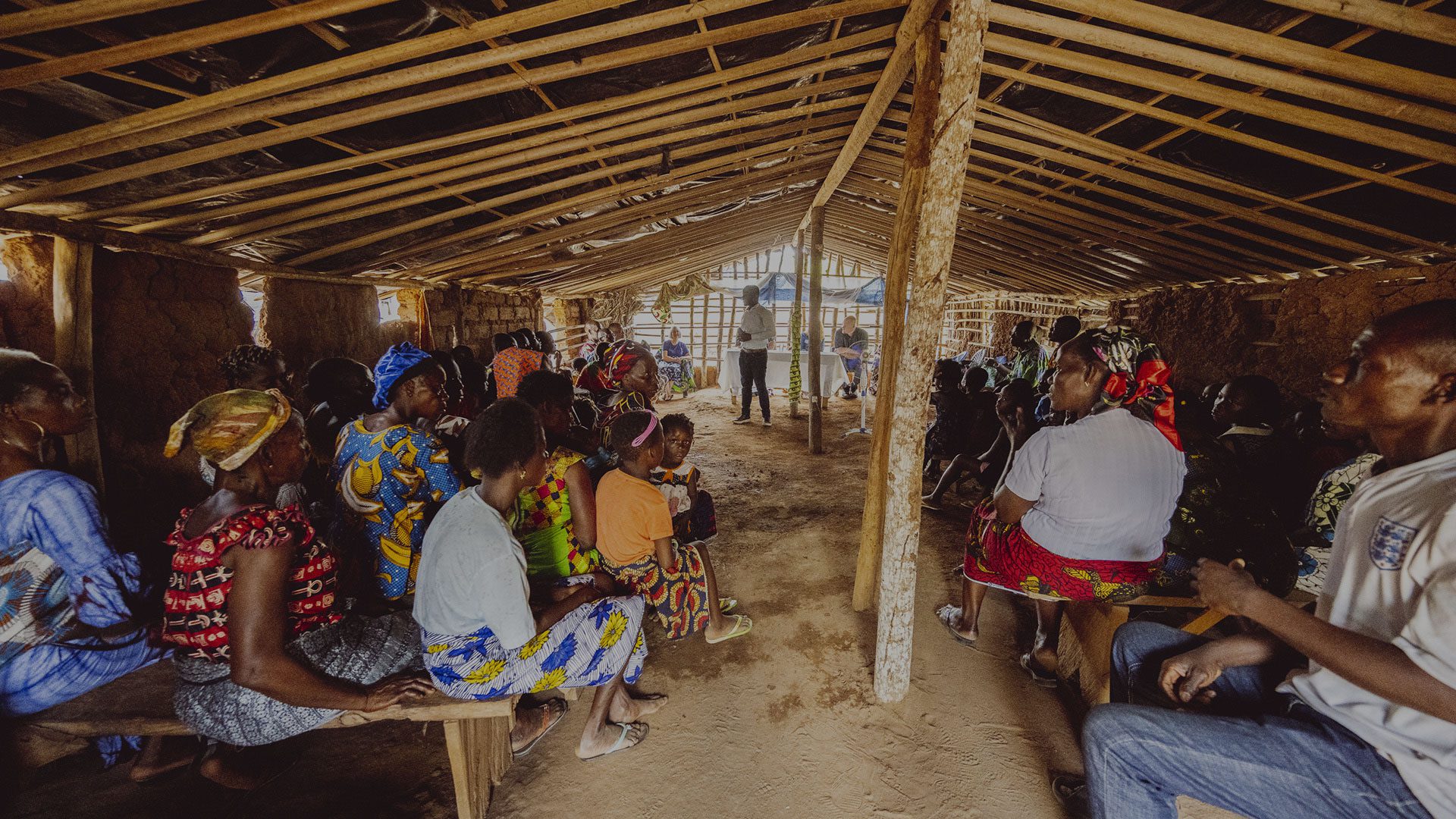
The prosperity gospel and the word of faith movement have found fertile ground in Africa. Every denomination has been influenced by the teachings and practices of the movement.
The prosperity gospel is the belief that the believer is guaranteed health and wealth in this life as a direct consequence of his being a child of God and the atoning sacrifice of Jesus Christ. As a result, the belief goes, the child of God will not suffer.
It teaches that one can claim physical and material blessings as a result of positive declarations: If you name it, you can claim it. We often hear slogans like, “Your confession is your possession.” With the rampant spread of the movement, it begs the question: Why has it found fertile ground across the continent of Africa? Let me offer three reasons.
THE AFRICAN WORLDVIEW RAISES FALSE EXPECTATIONS
African Traditional Religion (ATR) is the underlying worldview in the African mind, and the lens through which we view the world. A simple description of ATR is the belief in the existence of a God who is a powerful and distant creator. He has abdicated responsibility to lesser deities. These deities would be good and evil. A select number of human mediums have access to the lesser deities.
So, in ATR, anything bad is from evil spirits, and anything good is from the good spirits. Therefore, one’s primary occupation is to be in favor with the lesser gods, through the help of the human mediums who have access to them (usually, witch doctors, the elderly, the chief, or even ancestors).
Your actions and words affect the state and destiny of your life, so the things you say can come to be because the spirits are listening. Such a worldview is fertile ground for the prosperity gospel.
In the prosperity gospel, God is the powerful creator who wants to bless his people, but evil spirits are at work to frustrate the plans of God. So one needs “faith,” and the intervention of a human medium, who happens to be the man of God (titles include Pastor, Seer, Apostle, Major, Papa).
Those who believe in the prosperity gospel believe that a child of God should not experience suffering (for example, poverty or ill health), and if they do, it’s because of Satan and evil spirits. “Suffering is not your portion,” they would claim.
RAMPANT POVERTY LEVELS RAISE FALSE HOPES
There’s a second reason the prosperity gospel flourishes: Africa is a continent rich in resources, but it also has extreme poverty levels. High unemployment levels, shortage of food in some places, poor health, and education services are the norm. Millions of people are desperate and discouraged. They are looking for hope. So, anything that promises to alleviate their poverty and suffering is more than welcome.
This desire and longing for a better life and prosperity, combined with a worldview premised on the African Traditional Religion, make for good soil to sow seeds of the prosperity gospel.
So, they believe they should devotedly follow their spiritual father without question. They believe that if they sacrifice and give all of the little money they earn, and if they pray and fast in the mountains, they will break the chains of poverty, they will remove the generational curse upon their life, and they will frustrate the plans of the evil spirits.
The false hope of the prosperity gospel is the message that a genuinely desperate people want to hear, with their itching ears.
NOMINALISM LOWERS TRUE DEVOTION TO JESUS
The third reason the prosperity gospel thrives in Africa is because of nominal Christianity. Many people in sub-Saharan Africa would consider themselves Christians in name, but not in practice. Nominal Christians are not devoted to knowing and obeying the Word of God in their lives.
Nominal Christians are comfortable with syncretism. In essence, they are just religious. So, any teaching that they find pleasing, they add to their belief system. This explains why the prosperity gospel has infiltrated every denomination, regardless of their doctrine.
THE ANTIDOTE IS THE TRUE GOSPEL OF CHRIST
The prosperity gospel is another gospel (Galatians 1:6-9). It is not the true, biblical gospel. It fails to address the problem of sin, limits the significance of Jesus Christ as the Savior who atoned for the sins of sinful man. It also ignores the realities of a fallen world, which is full of brokenness, decay, and death.
And while God’s children cling to hope, it is not hope in fellow man or temporal wealth or health. It is hope in the all-conquering Savior who will redeem them fully and finally at his appearing, when they will live and reign with him eternally.
That is the hope of the gospel.
Recently, a number of Christian leaders from Africa and other regions came together to release a statement on the prosperity gospel and word of faith theology. Each article in the statement is important, but the final affirmation sums up what we pray believers in Africa will come to know and embrace:
“WE AFFIRM that God, as creator, has declared the purpose for which He created man and what he ought therefore to pursue, namely, glorifying God and enjoying Him forever. We therefore affirm that man most aligns with his God-given purpose when he treasures God far above anything that God has created.”