The Latest Crackdown on Churches in China


Pray for the Word of God to be known in China
Pray for China
Invest in China
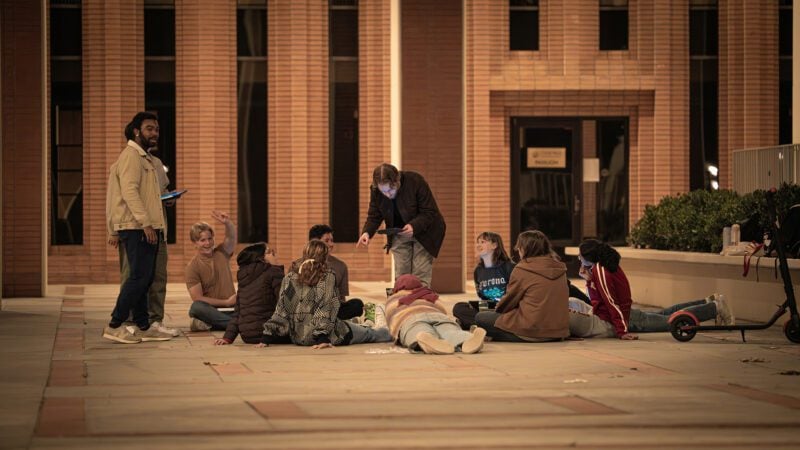
Invest in ChinaIn a massive Chinese city, there’s a lone Chinese pastor who knows he’s being watched. Each Sunday when he stands up to preach, he sees full seats and familiar faces of church members. But he also sees visitors.
That’s what every Christ-centered church wants, right? Especially in a hard-to-reach country where many people have never heard the gospel?
It is actually what they want, but they also know it carries risk. Any unknown face could be an informant rather than a seeker. The pastor knows this firsthand: He’s been hauled to the police station and instructed to stop gathering with his unregistered church or face jail time.
The church’s response? They doubled down on outreach and kept inviting friends. They know they could face more trouble, but the pastor says he tries not to dwell on the future: “We praise God for one more Sunday and prepare as if it’s the last one.”
That’s what a lot of Chinese believers are doing these days.
China has experienced a remarkable growth in the number of Christians in the last 40 years, but believers have seen government restrictions tightening again. Many missionaries have been expelled. Pastors have been arrested. Churches have been raided.
In October, Chinese Christians witnessed one of the worst government crackdowns on unregistered churches in years, when police arrested the pastor of the Zion Church network, along with 30 other pastors and staff members.
Meanwhile, this December marks the 7th anniversary of imprisonment for Early Rain Covenant Church pastor Wang Yi.
But still, ministry across China continues. And more than ever, it depends on indigenous leaders doing local work—from large cities with a handful of churches, all the way to rural mountainsides that have never been reached with the gospel at all.
A HISTORY OF FALLING AND RISING
This certainly isn’t the first time Chinese Christians have faced hardship.
In 1949, Chinese Communist Party leader Mao Zedong declared the founding of the People’s Republic of China, and by 1952, nearly all foreign missionaries had been expelled.
Chinese Christians faced a demand: Agree to come under official oversight of the Communist Party, and their churches could continue. About half of Chinese churches agreed.
But many refused. They believed Christ is head of the church and that their highest allegiance is to him. Since they couldn’t meet publicly, they began to meet secretly. And they paid a very high price.
Many in a whole generation of house church leaders were imprisoned in labor camps. During the Cultural Revolution of the 1960s and 1970s, any dissent was crushed, and religious practice of any kind was banned. Chinese Christians, still worshiping in secret, suffered their worst years of persecution.
To the outside world, Chinese Christians had gone silent. Many thought the Chinese church was probably gone. But by God’s amazing grace, that wasn’t the case at all.
A NEW DAY FOR BELIEVERS
In the 1980s, the new leader of China’s Communist Party started opening the country to the outside world. As foreigners were allowed back in for business or education, missionaries began returning. They soon discovered the Chinese church was still alive. It was diminished—and it was largely a rural movement—but a generation of indigenous Christians had survived.
Missionaries sought to bring the gospel to China’s cities and to a new generation of Chinese people, including at universities. Many unregistered churches started meeting openly, renting their own spaces, and sometimes gathering in large numbers—practices local officials often tolerated.
And they kept calling themselves house churches—maintaining a connection with the indigenous generation who survived.
During these years, Christianity in China boomed.
Operation World estimates the number of Christians in China a few decades ago was probably around 3 million. Today, some estimates put the current number of believers at 100 million people.
A NEW WAVE OF PERSECUTION
That new growth brought new scrutiny.
In 2013, the Communist Party’s next leader declared his intention to enforce renewed loyalty from Chinese citizens, including members of any unregistered religious groups.
In 2018, the party enacted a new set of regulations for religious groups across the country. In December of that year, police arrested Wang Yi, pastor of Early Rain Covenant Church in Chengdu. Wang had been outspoken about the church’s God-given duty to proclaim the gospel. Government interference was wrong, he said.
Authorities also arrested Wang’s wife and more than 200 church members. They shut down the church’s place of worship, along with its school and seminary. Church members were eventually released. The pastor wasn’t. A year later, a Chinese court sentenced Wang to nine years in prison.
The charge: subversion of the state.
Over the last few years, China’s grip on the church has kept tightening. Many missionaries have been expelled. The COVID-19 pandemic accelerated restrictions, along with increased surveillance and facial recognition. Truly meeting in secret has become nearly impossible.
But churches do keep meeting. And they keep pressing on toward places that have no churches at all.
A NEW FRONTIER STILL AHEAD
Even with the rapid growth of Christianity in China over the last few decades, estimates suggest there are still 300 unreached people groups with little or no access to the gospel at all.
Chinese believers are critical to reaching these populations in places where foreigners can’t go.
In fact, Radical is partnering with indigenous believers who have ongoing access to hard-to-reach, mountainous regions of China where Christians have been heavily persecuted and the gospel is unknown.
We’re also working to disciple and train house church pastors to lead congregations, disciple believers, and preach expositionally through the Scriptures. We’re even working to help reach unreached Chinese migrants in a Muslim nation through a Chinese-speaking church plant.
It’s impossible to know what’s next for believers in China. Pressures keep rising. Anxieties keep growing. But the Lord does keep working, just as he’s done over the course of China’s history.
Meanwhile, the pastor in the large Chinese city, who wonders about unknown faces in his congregation on Sundays, tries not to worry about the unknown future. He says he thinks about a paraphrased quote from Jonathan Edwards: The worst thing that could happen to anyone on this earth has already happened to Jesus at the Cross. So the best things are yet to come.
“This is how God has helped me to wait for his Second Coming,” he says. “Yeah, I’m facing a lot of persecution and hardness, but God’s grace is even more than that. So, no regrets.”